








 X
 Facebook
 LinkedIn
 Google News
 Telegram
 Instagram
 RSS Feed



Introduction
Coinbase Review 2027: Fees, Security, Staking, Coinbase Advanced, and Trading Experience
Coinbase is one of the world’s leading cryptocurrency exchanges, combining accessible crypto investing with professional trading tools, staking services, and an expanding selection of financial products. What began as a straightforward platform for buying Bitcoin has developed into a comprehensive trading environment supporting hundreds of cryptocurrencies, advanced spot markets, integrated onchain trading, and derivatives in eligible jurisdictions. Its greatest advantage is the ability to accommodate different experience levels, allowing beginners to purchase their first cryptocurrency while experienced traders access sophisticated order types, real-time liquidity data, and volume-based fees through Coinbase Advanced.
The distinction between Coinbase’s trading interfaces is particularly important when evaluating costs. Standard purchases prioritize convenience but typically include transaction fees and a spread within the quoted price, while Coinbase Advanced provides direct access to order books through a maker-taker fee structure. Coinbase also offers recurring investments, supported staking products, and additional services that expand its usefulness beyond conventional spot trading. However, availability differs by country, and the costs associated with trading, staking, or transferring assets can vary considerably depending on the service selected.
Coinbase’s established regulatory presence, security infrastructure, and accessible banking integrations strengthen its appeal, but centralized custody introduces limitations that investors should understand. Withdrawal holds, identity verification requirements, and account security reviews can temporarily restrict access to funds, while cryptocurrencies held on the exchange remain under Coinbase’s private-key management. These considerations become increasingly important for investors maintaining substantial balances or making frequent transfers to external wallets.
Coinbase Overview
| Category | Details |
|---|---|
| Founded | 2012 |
| Company | Coinbase Global, Inc., U.S.-listed public company |
| Main offering | Custodial crypto exchange, spot trading, and eligible derivatives |
| Trading interfaces | Simple buy/sell, Coinbase Advanced, web and mobile apps |
| Trading fees | Simple trades include a spread; Advanced uses regional, volume-based maker/taker fees |
| Asset coverage | Hundreds of listed exchange assets; additional DEX tokens through a separate self-custody flow |
| Staking | Selected proof-of-stake assets, subject to jurisdiction and network conditions |
| Fiat funding | Bank transfers, cards, and regional payment methods where supported |
| Verification | Identity verification and risk-based compliance checks |
| European regulation | MiCA-authorized services through Coinbase Luxembourg S.A. |
| Overall editorial score | 8.6/10 |
Is Coinbase a Good Crypto Exchange in 2027?
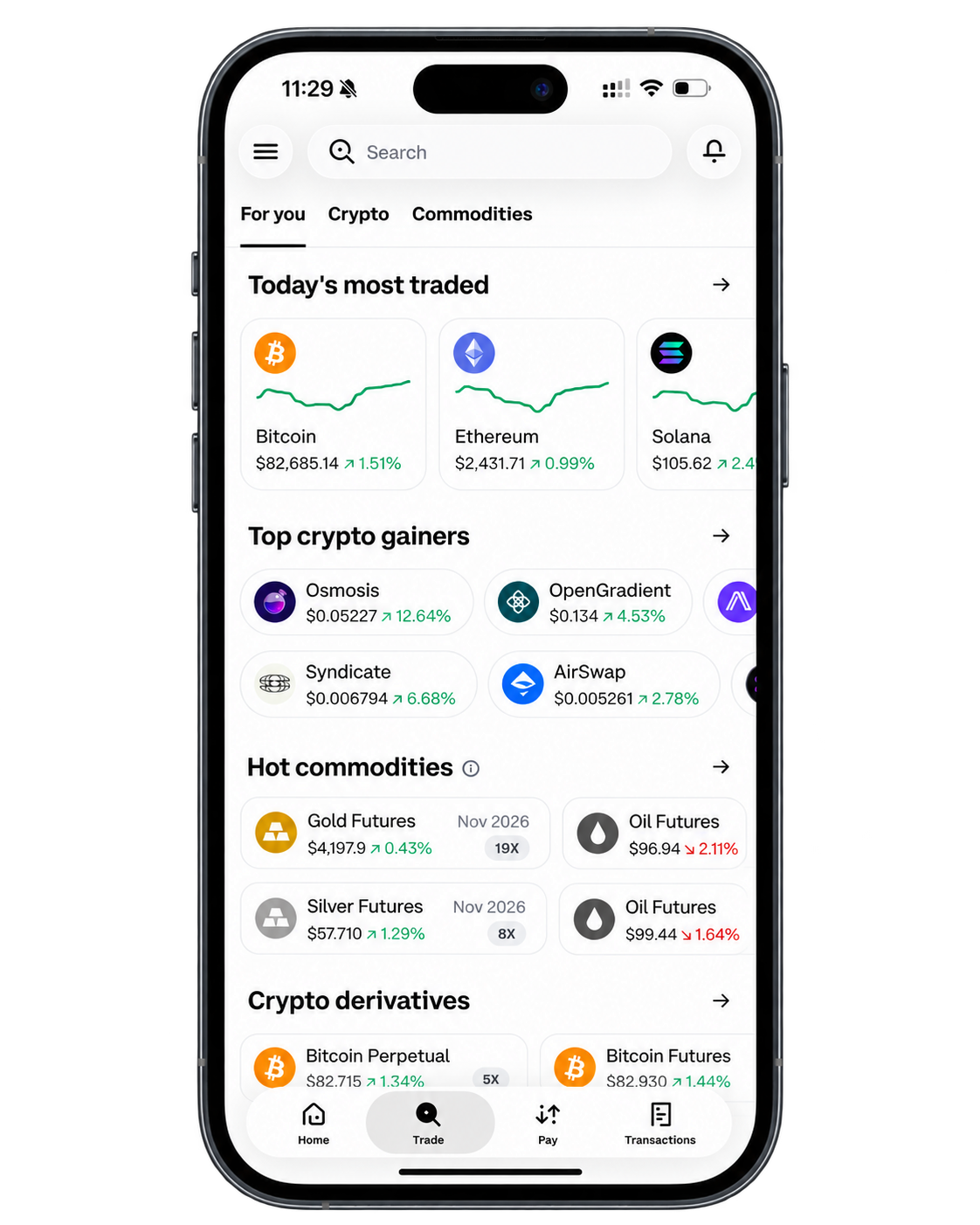
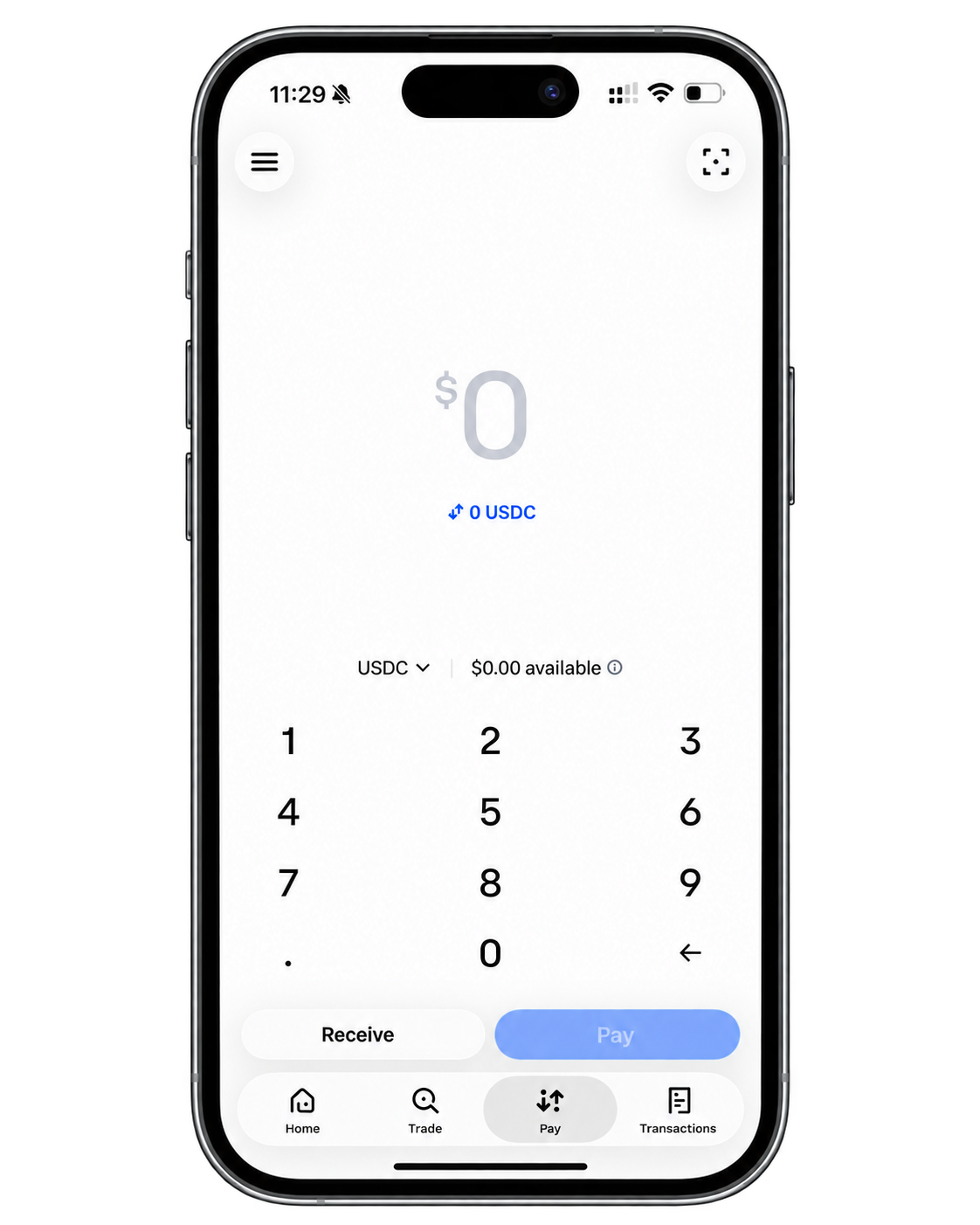
Coinbase remains one of the strongest cryptocurrency exchanges for investors who value accessibility, established infrastructure, and a wide selection of investment tools. Its website and mobile application simplify account funding, cryptocurrency purchases, recurring investments, portfolio monitoring, and withdrawals without requiring users to understand professional trading interfaces. Eligible customers can connect bank accounts or use supported payment methods, while Coinbase Advanced provides a natural progression into more sophisticated trading without requiring a separate subscription.
For active traders, Coinbase Advanced offers TradingView-powered charts, real-time order books, market and limit orders, conditional execution, and API connectivity. Its volume-based maker-taker pricing can provide better value than the standard purchase interface, particularly for users who trade regularly or qualify for higher fee tiers. Coinbase has also expanded its derivatives capabilities, including integration with Deribit in October 2026, although market access and leverage remain subject to regional eligibility. The combination makes Coinbase increasingly competitive beyond beginner investing, even if some rival exchanges offer lower entry-level spot fees.
Its main drawbacks concern trading costs and the restrictions associated with centralized custody. Instant purchases can be relatively expensive, while staking commissions reduce the rewards investors ultimately receive. Deposits may also be available for trading before becoming eligible for withdrawal, depending on the payment method and settlement requirements. Coinbase operates through regulated entities in several major markets, including its MiCA-authorized European business, but regulatory authorization does not eliminate counterparty exposure or guarantee uninterrupted account access.
Who Is Coinbase Best Suited For?
Coinbase is particularly well suited to beginners, long-term cryptocurrency investors, and users seeking straightforward fiat funding alongside reliable access to major digital assets. Its accessible interface, recurring investment options, and integrated portfolio tools make it convenient for building and managing cryptocurrency holdings, while Coinbase Advanced provides greater flexibility as trading requirements develop. Experienced traders can also benefit from its professional execution tools and expanding markets, although high-frequency users should compare fees and liquidity against competing exchanges. Investors holding substantial assets for extended periods should additionally consider whether moving part of their portfolio into self-custody better suits their security requirements.
Fees
Coinbase Fees Explained
Coinbase uses different fee structures depending on whether customers make instant cryptocurrency purchases, trade through Coinbase Advanced, or use additional services such as staking and derivatives. Simple purchases include a transaction fee and an applicable spread, while Coinbase Advanced uses a maker-taker model with rates determined by trading activity, account qualifications, and jurisdiction. Following its September 2026 pricing update, Coinbase introduced different starting spot fees across the United States, Europe, and other international markets.
Coinbase Advanced generally offers more control over execution costs, particularly for investors placing larger or more frequent trades. However, payment processing, cryptocurrency withdrawals, staking commissions, and optional subscription services can introduce additional charges. The table below breaks down Coinbase’s main fees as of October 2026.
| Fee Type | Standard Fee | Details |
|---|---|---|
| Coinbase Advanced Spot (US) | 0.50% maker / 0.90% taker | Published entry-level US rates following September 2026 update |
| Coinbase Advanced Spot (EU & UK) | 0.25% maker / 0.50% taker | Published entry-level European and UK rates |
| Coinbase Advanced Spot (Other International Markets) | 0.09% maker / 0.10% taker | Published starting rates for Brazil, India, and other eligible international markets |
| Advanced VIP Spot Trading | As low as 0% maker / 0.02% taker | Highest published VIP tier; qualification and regional restrictions apply |
| Simple Buy & Sell | Variable fee + spread | Depends on order size, payment method, and region; shown before confirmation |
| Simple Coinbase Limit Orders | 1% execution fee + applicable trading fee | Applies to the standard Coinbase limit-order feature, not Coinbase Advanced limit orders |
| Crypto Conversions | Variable fee and/or spread | Depends on assets and execution method |
| Eligible Stablecoin Trading Pairs | Preferential rates where offered | Separate fee schedules may apply to qualifying pairs |
| Derivatives Trading | Variable maker-taker fees | Determined by contract, trading volume, and jurisdiction |
| Perpetual Futures Funding | Variable | Periodic payments between long and short traders where applicable |
| Crypto Deposits | Free | Coinbase does not charge a standard receiving fee; sending network fees may apply |
| Crypto Withdrawals | Variable network-based fee | Depends on asset, blockchain, and network conditions |
| Internal Coinbase Transfers | Free | Eligible offchain transfers between Coinbase primary balances |
| US Bank Transfers (ACH) | Free | Eligible standard USD deposits and withdrawals |
| EUR Bank Transfers (SEPA) | Varies by service and region | Applicable charges displayed during the transaction |
| USD Wire Transfers | Variable | Depends on account product, transfer type, and banking arrangements |
| Debit/Credit Card Purchases | Variable | Processing costs and purchase fees depend on payment method and location |
| Instant Fiat Withdrawals | Variable | Available through eligible cards and banks; charges shown before confirmation |
| Standard Staking Commission | 35% of staking rewards | Applies to specified supported assets, including ETH and SOL; not deducted from principal |
| Coinbase One Staking Commission | From 25.25% to 31.75% of rewards | Eligible assets and membership tiers; preferential rates vary |
| Standard Unstaking | No Coinbase unstaking fee | Network unbonding periods and protocol conditions may apply |
| Instant Unstaking | Variable | Additional fee for supported assets, disclosed before confirmation |
| Coinbase One Subscription | Paid subscription; price varies | Includes eligible trading-fee benefits and additional services |
| Coinbase One Simple Trading | Zero trading fees within plan limits | Basic: $500/month; Preferred: $10,000/month; Premium: unlimited. Spreads still apply |
| Coinbase Card Spending | No standard Coinbase transaction fee | Cryptocurrency conversion spreads and other applicable costs may remain |
| Bitcoin Lightning Transfers | 0.20% | Processing fee for supported Bitcoin Lightning Network sends |
| Account Opening & Maintenance | Free | No standard fee for opening or maintaining a regular Coinbase account |
| Eligible Asset Recovery | Network fee + possible 5% recovery fee | For recoveries valued above $100, the additional 5% applies to the portion exceeding $100 |
Important: Coinbase’s standard retail platform, Coinbase Advanced, and institutional Coinbase Exchange have different fee schedules. Advanced trading rates can decrease with qualifying trading volume or USDC balances, while regional rules and promotional pricing can affect individual markets. All applicable transaction charges should be checked before confirming an order.
Are Coinbase Trading Fees Competitive?
Coinbase Advanced is generally the more cost-effective option for active traders because it uses transparent maker-taker pricing without incorporating the additional quoted spread associated with simple cryptocurrency purchases. For example, a $1,000 spot trade at the European entry-level rate would cost $2.50 as a maker order or $5 as a taker order, excluding any market-related slippage. The equivalent simple purchase may carry a higher total cost depending on the quoted Coinbase fee, spread, and selected payment method.
The difference becomes more significant with frequent trading, although Coinbase’s September 2026 fee revisions have improved its competitiveness across several international markets. Coinbase One may also reduce costs for users making regular simple purchases, but subscription charges and applicable spreads must be considered when calculating the actual savings. Investors should compare the complete execution price rather than evaluating trading fees in isolation.
Products
Coinbase Advanced and the Trading Experience
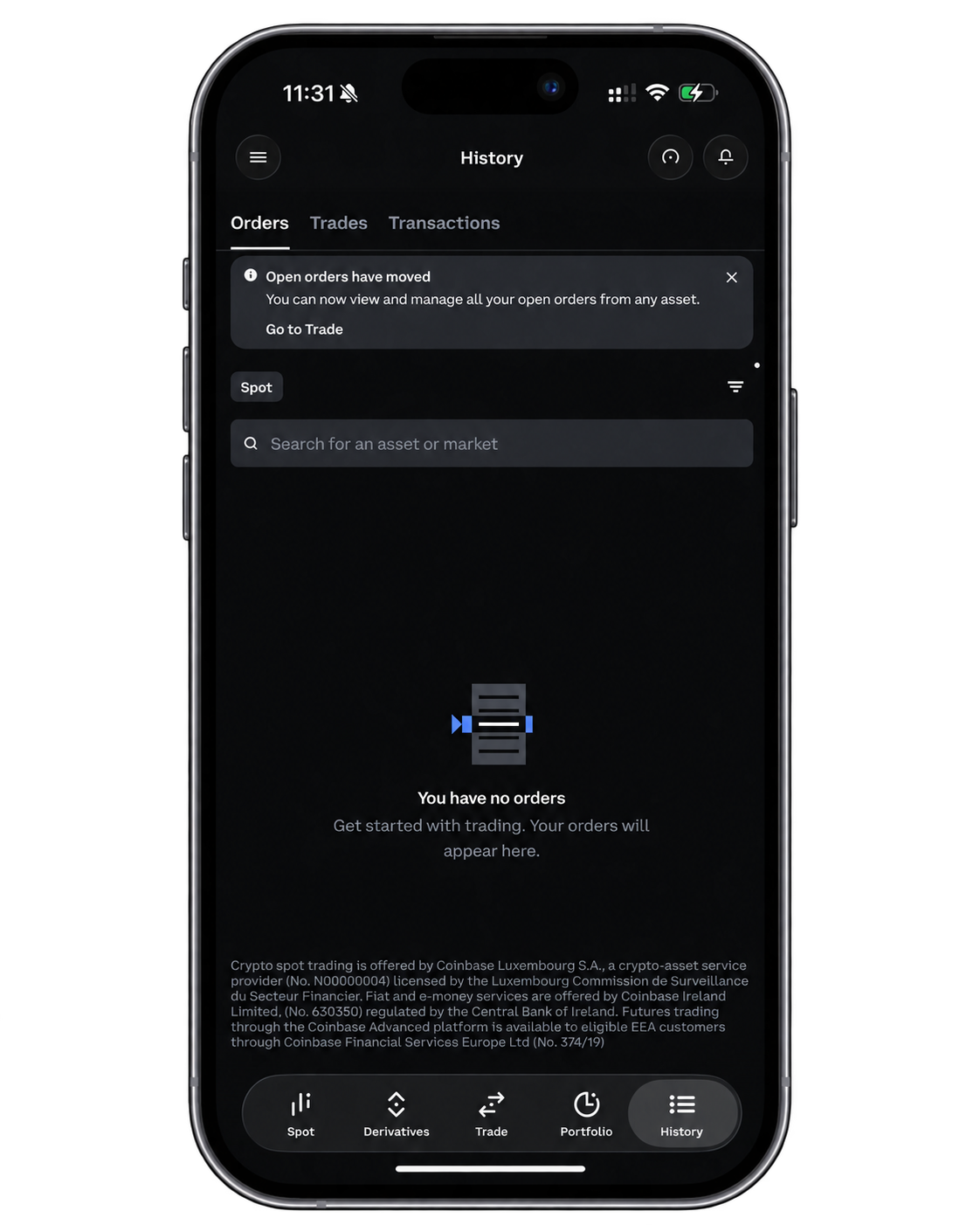
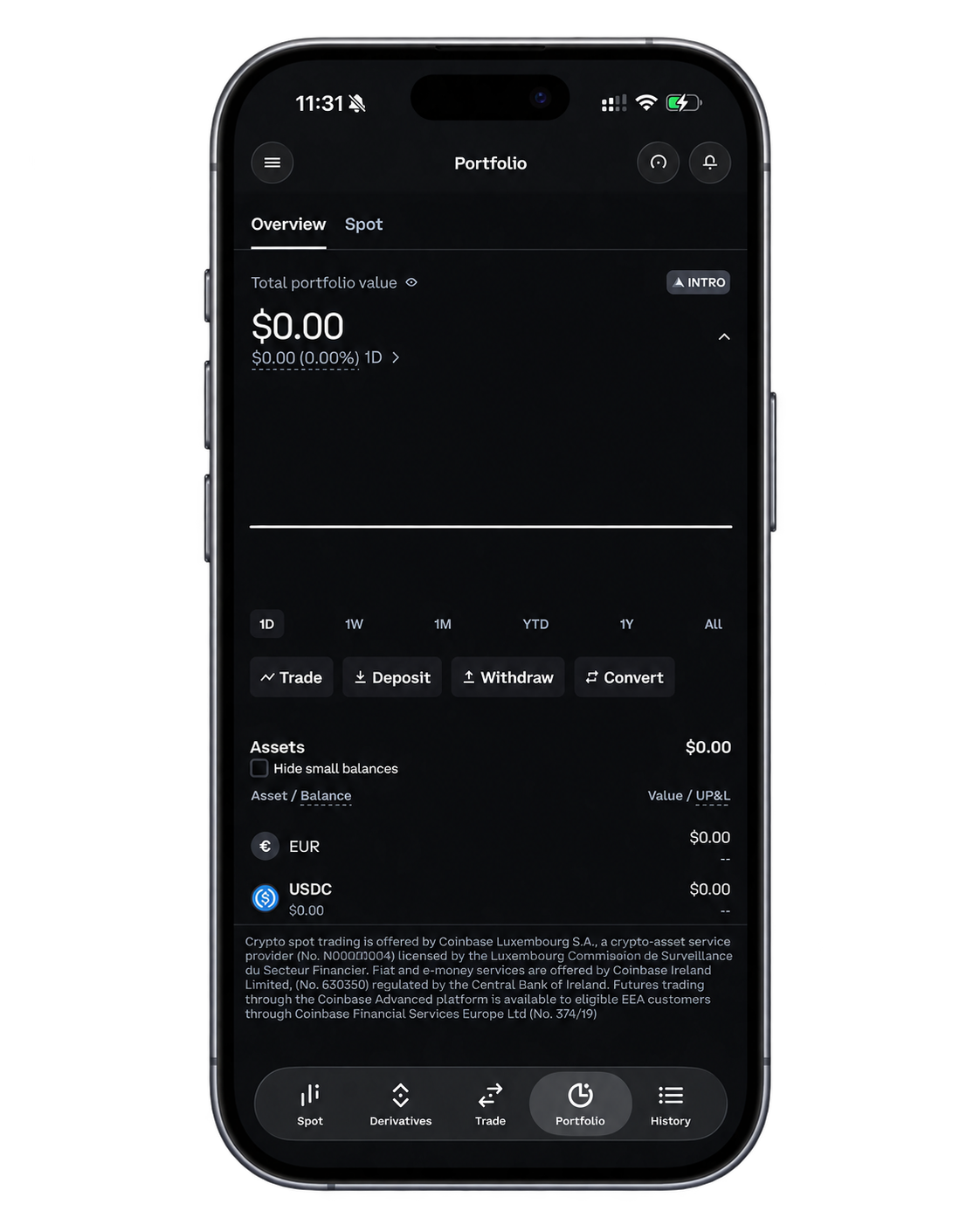
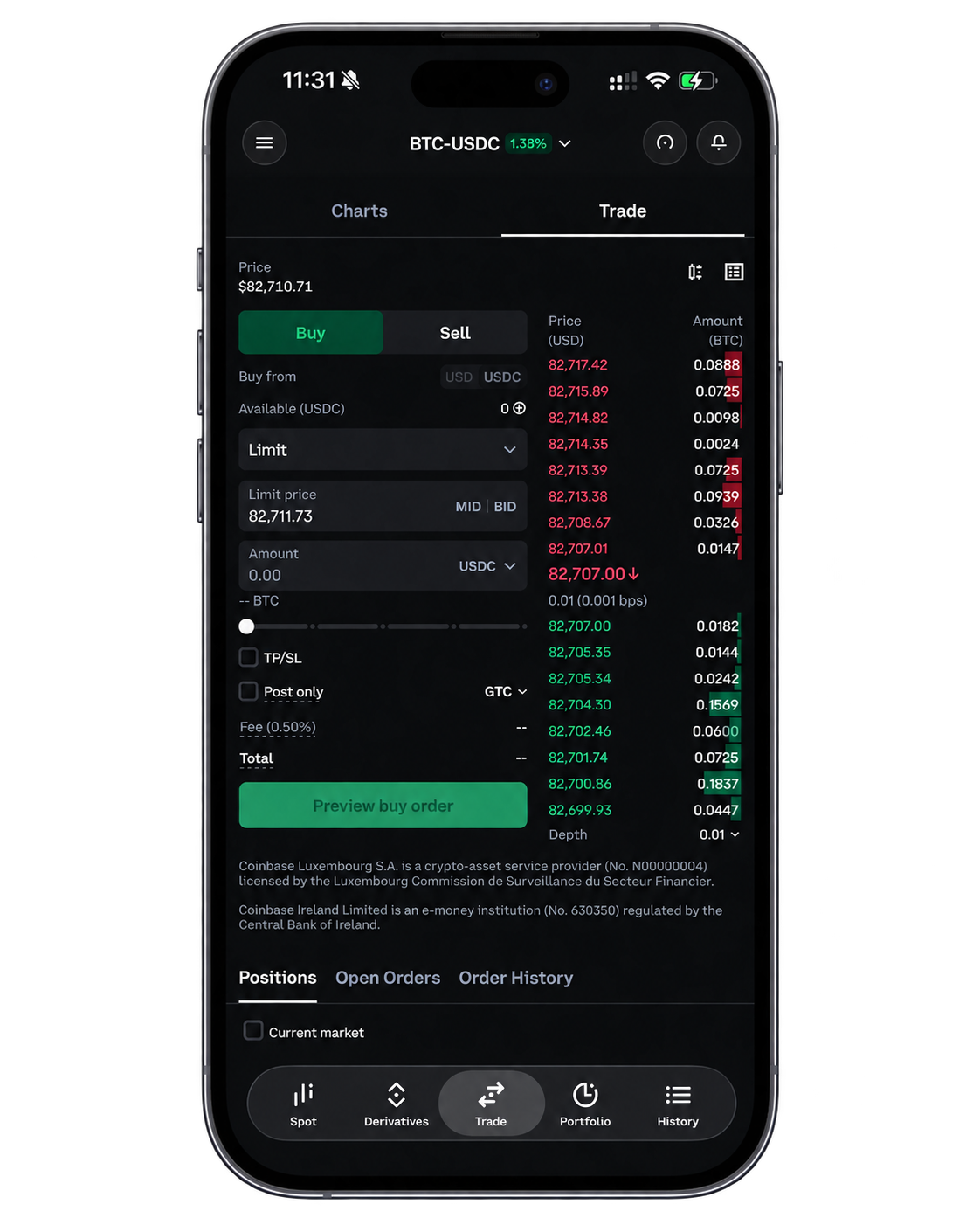
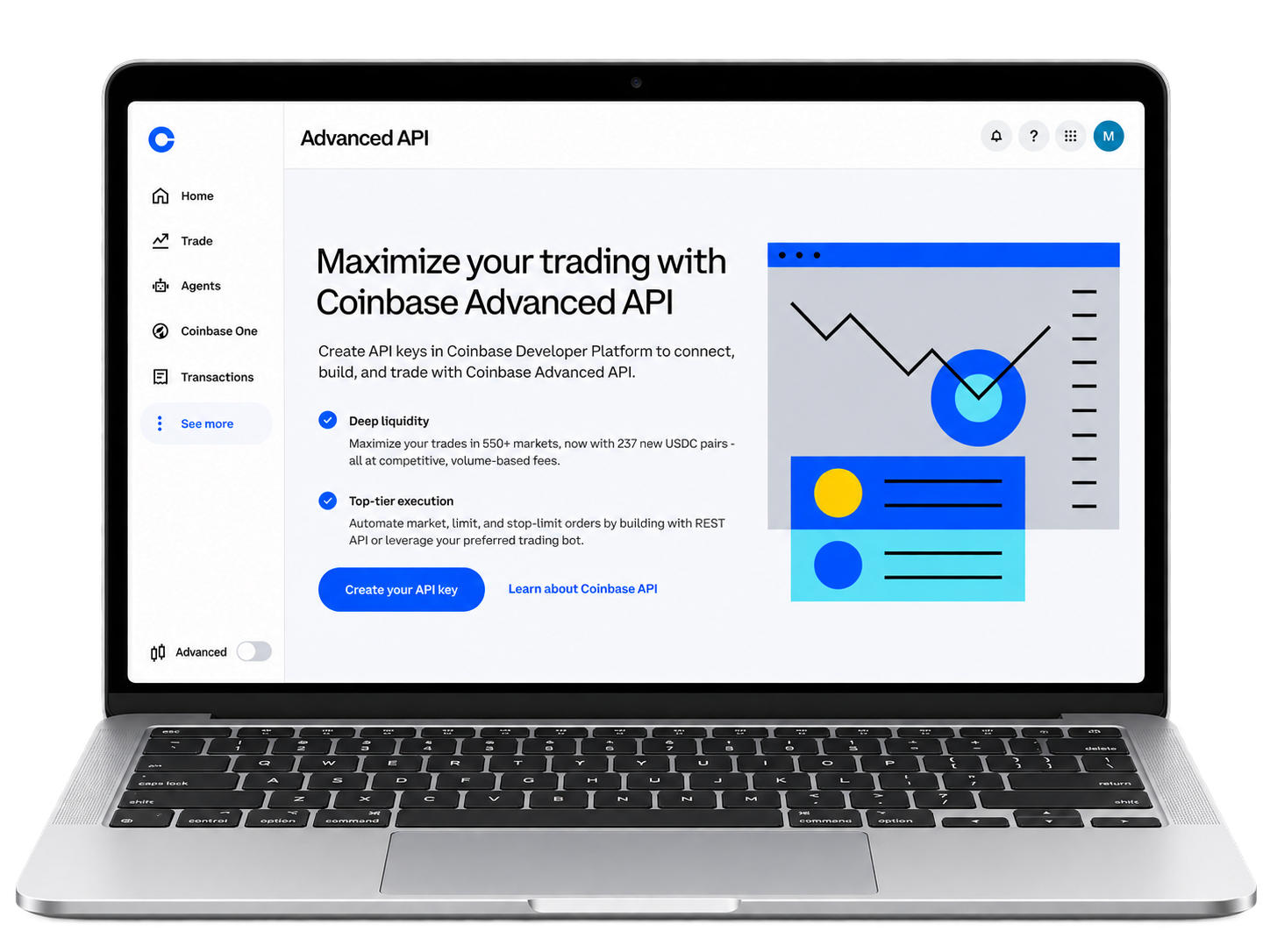
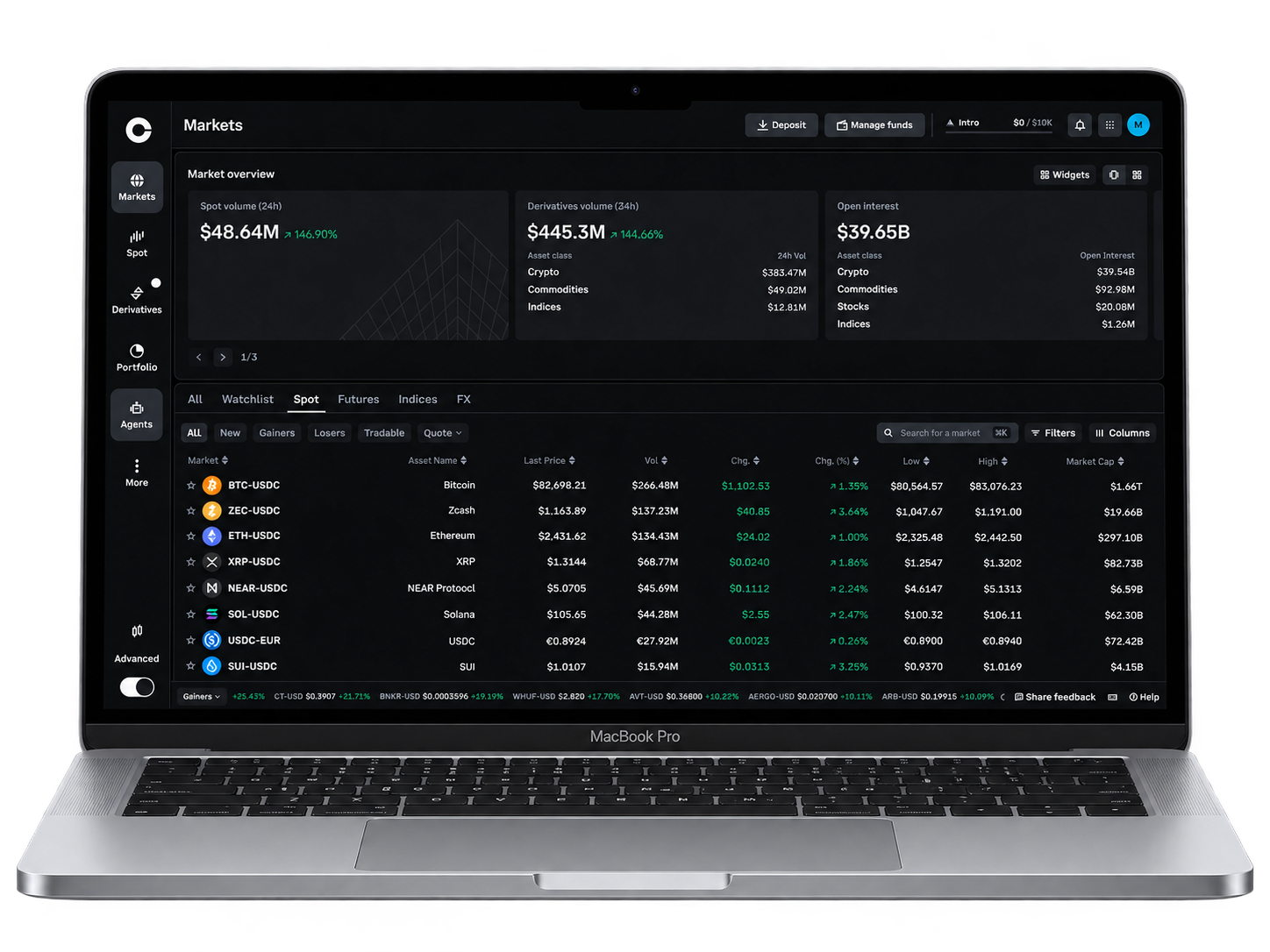
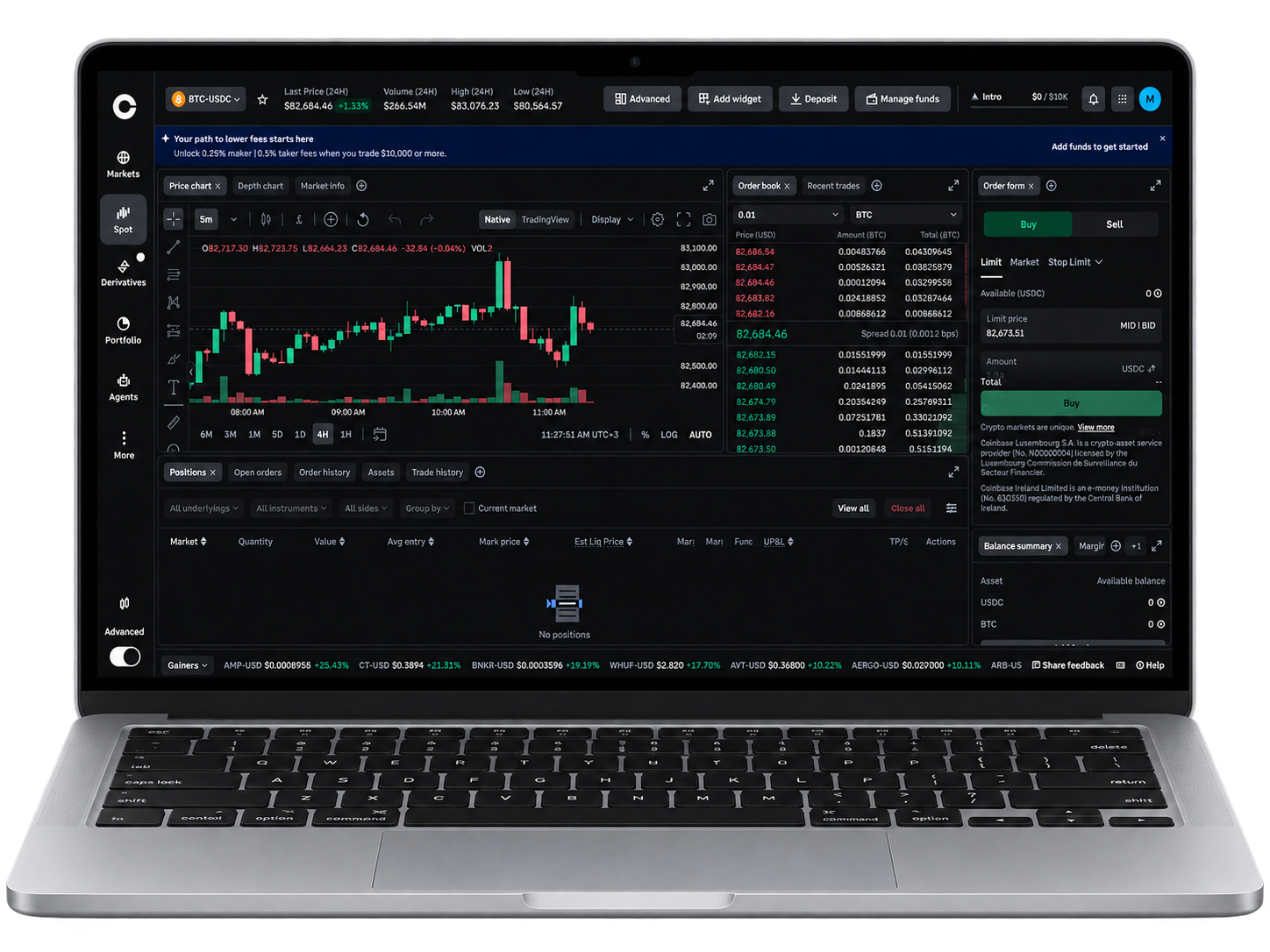
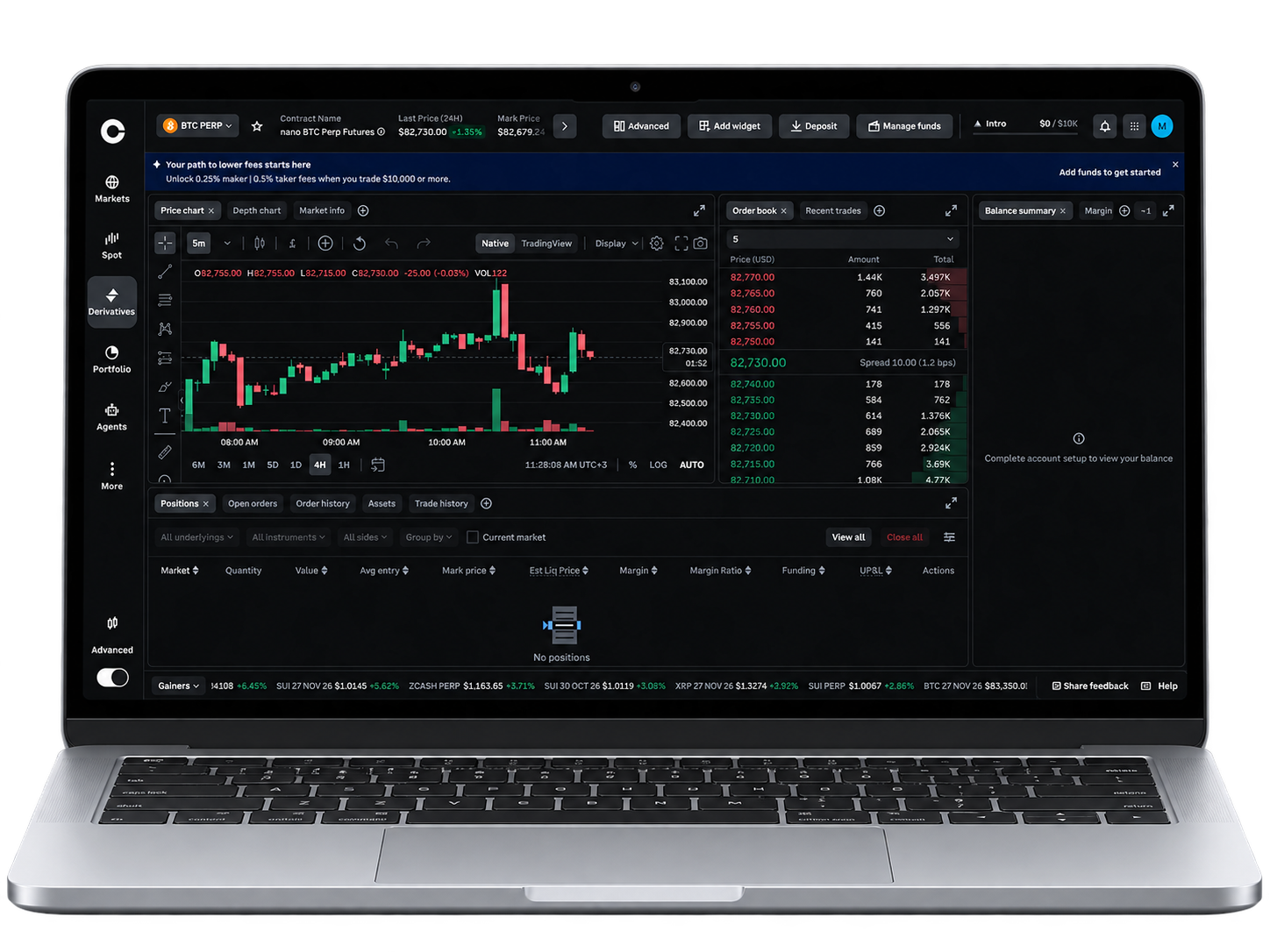
Coinbase Advanced provides professional cryptocurrency trading tools within the same account used for standard Coinbase purchases. It combines TradingView-powered charts, technical indicators, real-time order books, market depth information, and customizable trading layouts, allowing users to analyze liquidity and manage orders without switching platforms. The interface also supports API connectivity for automated strategies and external trading systems. Unlike the regular Coinbase purchase experience, which provides an instant quoted price, Coinbase Advanced allows traders to interact directly with exchange order books and manage execution through volume-based maker-taker fees.
Its order types extend beyond conventional market and limit orders. Traders can use stop-limit orders, attached take-profit and stop-loss instructions, bracket orders, and time-weighted average price (TWAP) execution. Bracket orders allow users to establish both profit targets and downside exits for existing positions, while TWAP strategies divide larger transactions into smaller scheduled orders to reduce immediate market impact. These features offer greater control over entry prices and position management, particularly when combined with stop-loss and take-profit strategies. However, stop-limit orders can remain unfilled during rapid price movements, and automated execution cannot guarantee a particular outcome when liquidity deteriorates.
Coinbase significantly expanded the platform in June 2026 with a redesigned, modular interface intended to accommodate multiple asset classes. Traders can customize their workspace using movable widgets, saved layouts, and market-specific tools rather than following a fixed trading-screen arrangement. The platform has also expanded beyond traditional cryptocurrency spot markets, with eligible users gaining access to equities and a growing range of derivatives. Its integration with Deribit, completed in October 2026, strengthens the company’s derivatives infrastructure, although the planned unification of liquidity and additional options, margin, and portfolio features is being introduced in stages.
The distinction between existing functionality and upcoming products is particularly important. Coinbase announced that a new Coinbase Pro-branded professional trading platform would return toward the end of 2026, bringing spot markets, futures, perpetuals, options, and equities into a more unified environment. That planned product should not be confused with the discontinued original Coinbase Pro service or treated as fully available within the current Coinbase Advanced interface. Similarly, derivatives access remains subject to separate eligibility requirements, margin rules, and regional restrictions.
For active traders, Coinbase Advanced’s strongest advantages are its familiar account infrastructure, sophisticated execution tools, and integration with the wider Coinbase ecosystem. Its fee structure can also offer significant savings compared with ordinary instant purchases, particularly as trading volume increases. However, users prioritizing the lowest possible execution costs should compare their actual fee tier and order-book liquidity against competing exchanges rather than assuming professional trading tools automatically deliver cheaper transactions.
Coinbase Staking: Supported Assets, Rewards, and Risks
Coinbase offers custodial staking for selected proof-of-stake cryptocurrencies, allowing eligible users to earn blockchain rewards without operating validators or managing staking infrastructure. Supported assets include Ethereum, Solana, Cardano, Polkadot, Cosmos, and additional networks, with availability determined by the customer’s jurisdiction and account eligibility. Investors can stake qualifying balances through the Coinbase website or mobile application, monitor accrued rewards, and request unstaking when they want to return assets to their available trading balance.
The service simplifies participation in crypto staking by handling validator operations and reward distribution. However, the convenience comes with a substantial commission. Coinbase’s standard staking fee is 35% of rewards for specified supported assets, including ETH, SOL, ADA, DOT, ATOM, AVAX, and XTZ. This percentage applies to rewards rather than the deposited principal, and the displayed estimated annual yield generally reflects the amount users receive after Coinbase’s commission. Eligible Coinbase One members can qualify for reduced commissions on certain assets, although the available discount depends on the membership tier.
Regional limitations also affect staking availability. In the European Economic Area, Coinbase discontinued new Avalanche and Tezos staking in 2025, meaning those assets should not be presented as universally available to European customers. Certain U.S. states impose their own restrictions, while other networks may have different minimum balances, reward schedules, and eligibility requirements. The complete product offering therefore depends on the customer’s verified location rather than the global list of cryptocurrencies supported by Coinbase.
Unstaking introduces an additional consideration because assets generally cannot be sold or transferred until the applicable process is complete. Depending on the blockchain, releasing staked cryptocurrency can take several hours, days, or weeks. Coinbase offers instant unstaking for selected assets, allowing eligible customers to access funds without waiting through the standard period, but this convenience carries an additional fee and is not always available. During volatile markets, withdrawal delays can prevent an investor from selling immediately, potentially outweighing the value of accumulated staking rewards.
Staking returns are not guaranteed, and the risks extend beyond fluctuations in the advertised APY. Validator performance, network penalties, token inflation, and market-price movements can affect the overall investment outcome, while using Coinbase introduces custodial dependence on the exchange. Investors should compare net rewards after commissions, expected unstaking periods, and the underlying asset’s volatility before deciding whether Coinbase staking provides sufficient value compared with alternative arrangements.
Coin Selection: Exchange Listings vs Onchain Tokens
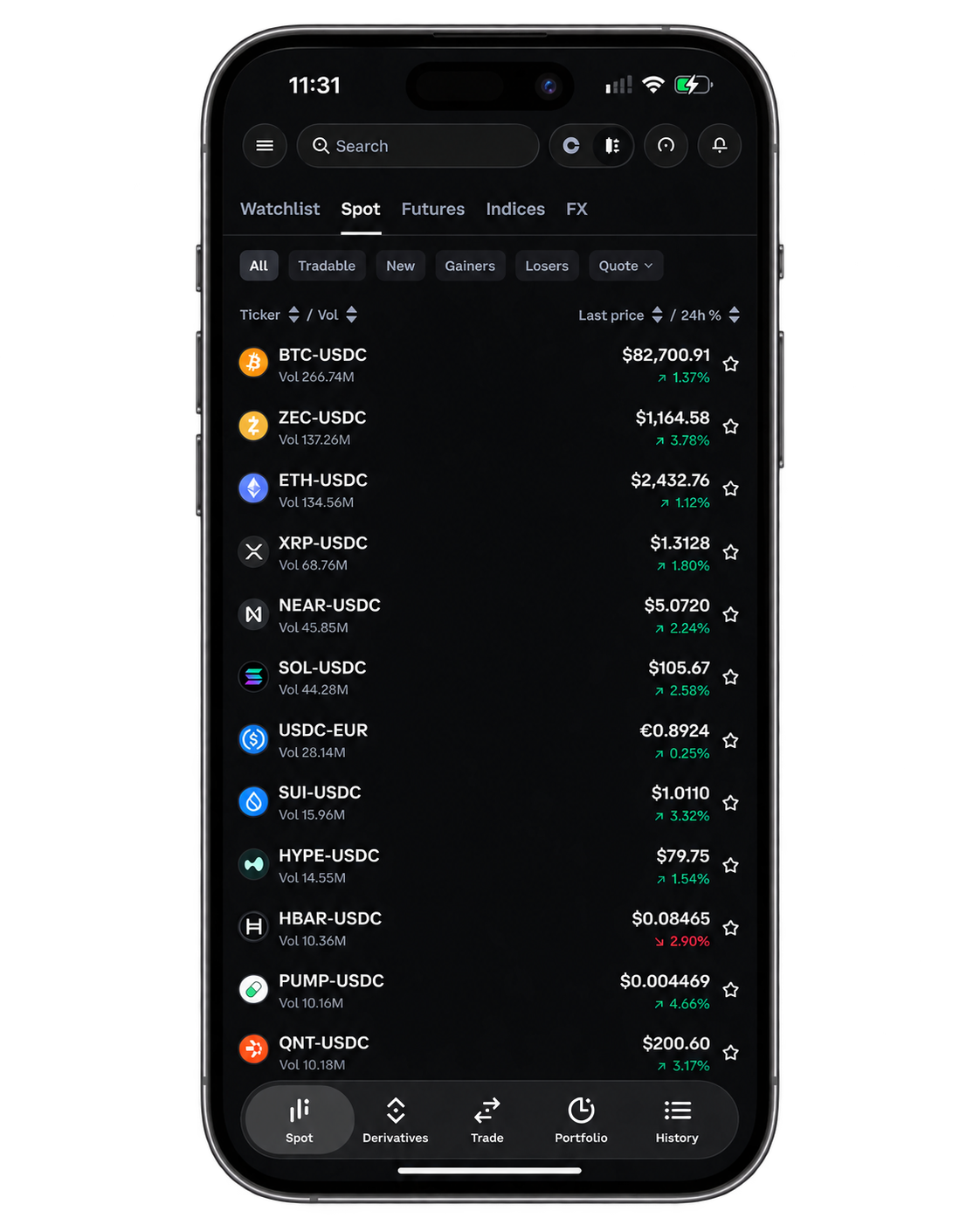
Coinbase supports more than 400 cryptocurrencies and over 500 spot trading pairs on its centralized exchange, covering Bitcoin, Ethereum, Solana, major stablecoins, established altcoins, and a changing selection of newer blockchain projects. This provides considerable choice for ordinary spot investors, particularly those concentrating on assets with established trading markets and reliable liquidity. Coinbase applies a formal asset-review process to exchange listings, although approval should not be interpreted as an endorsement of a token’s investment quality or a guarantee against future losses.
The selection available through Coinbase’s main application has expanded considerably through integrated decentralized exchange trading. Users in supported regions can access large numbers of additional tokens on Base and Solana without opening a separate DEX website, with liquidity sourced through compatible onchain protocols and aggregators. This functionality makes newly created tokens accessible much earlier than they would typically appear on a centralized exchange, expanding the opportunities available to investors interested in emerging projects.
However, onchain DEX assets are not equivalent to Coinbase-listed exchange assets. The integrated DEX service uses a separate self-custodial wallet created for onchain transactions, with signing authorization controlled through an authentication key on the user’s device. These transactions interact with external liquidity pools and smart contracts rather than Coinbase’s conventional custodial spot order books. Coinbase does not apply its ordinary exchange-listing review process to every asset available through DEX trading, which exposes users to additional risks involving fraudulent tokens, malicious contracts, insufficient liquidity, and assets that may be difficult or impossible to sell.
Trading costs also differ between the two environments. Centralized exchange transactions use the applicable Coinbase trading fees, while DEX activity may involve network charges, price impact, liquidity-provider costs, and an additional Coinbase service fee. The final execution price can also change within the slippage tolerance selected before authorization. Users should examine the asset’s contract address, network, liquidity, and trading route rather than assuming that access through the Coinbase application establishes the legitimacy of an unfamiliar token.
The custody distinction remains important when depositing or withdrawing funds. A token available through integrated DEX trading may not be supported for deposits into a standard Coinbase exchange account, even if both services appear within the same application. For established cryptocurrency investors, the centralized exchange offers a more structured trading environment, while onchain access provides greater flexibility at the cost of increased responsibility for transaction security and asset verification.
Coinbase One, Support, and Everyday Usability
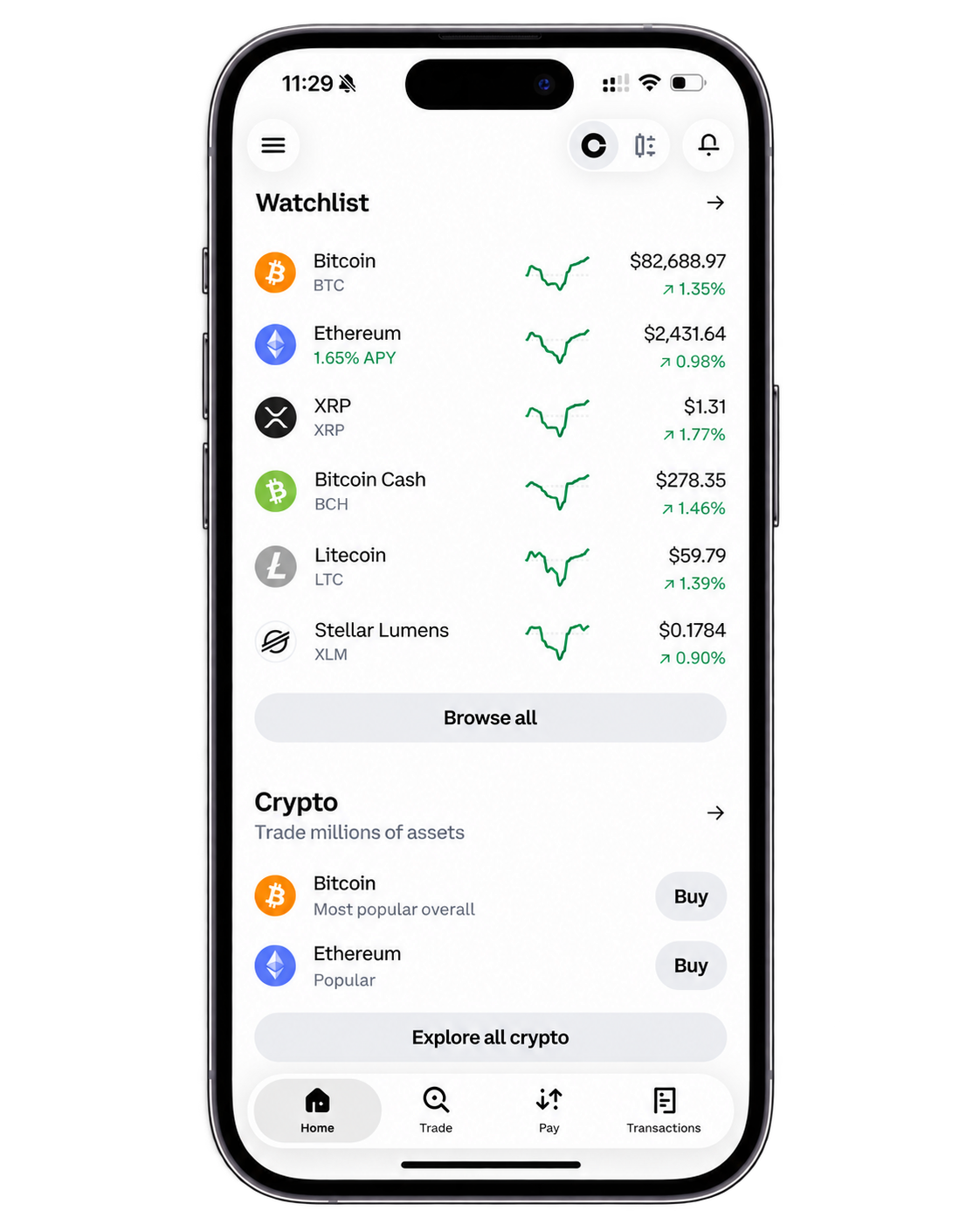
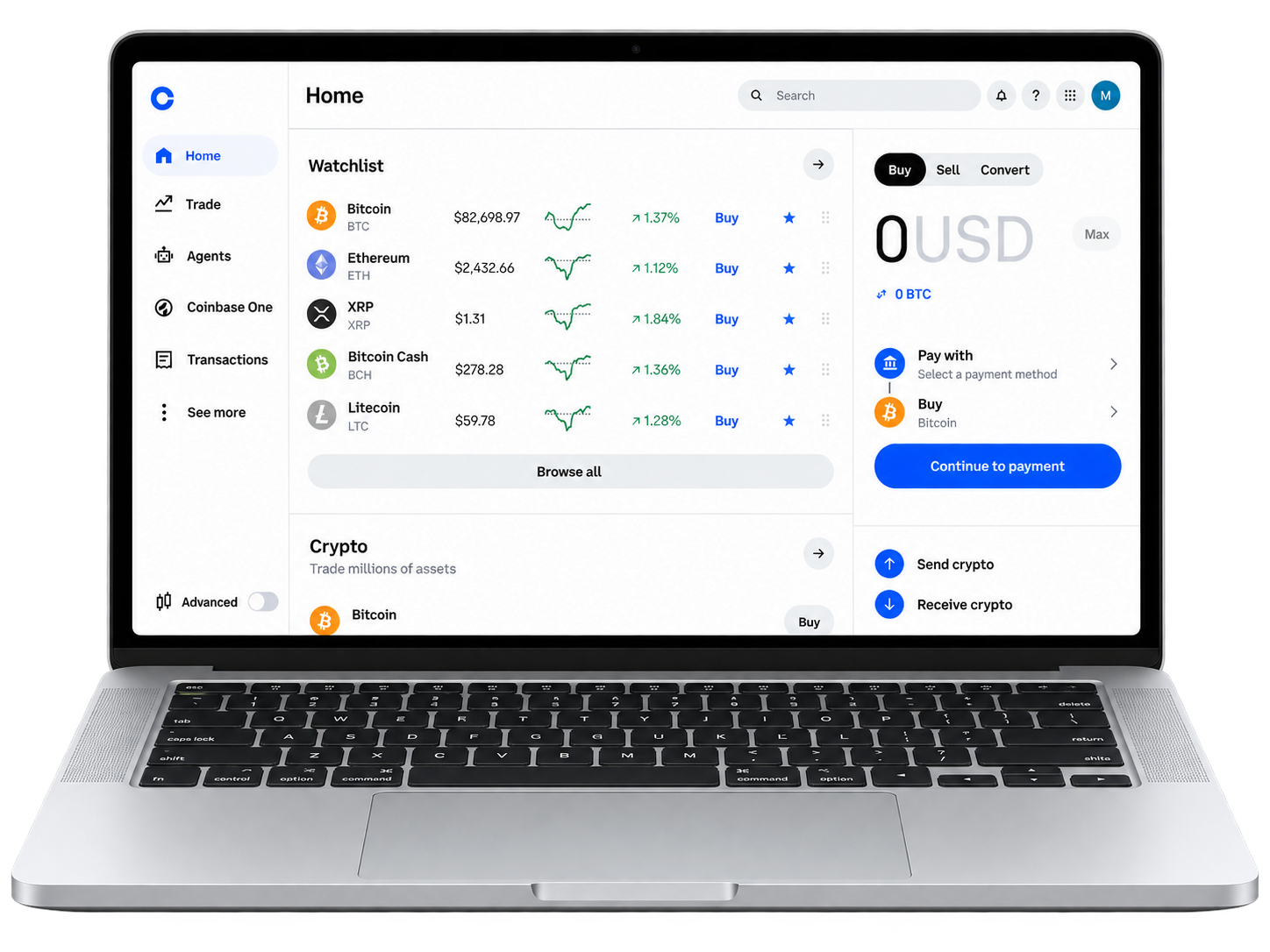
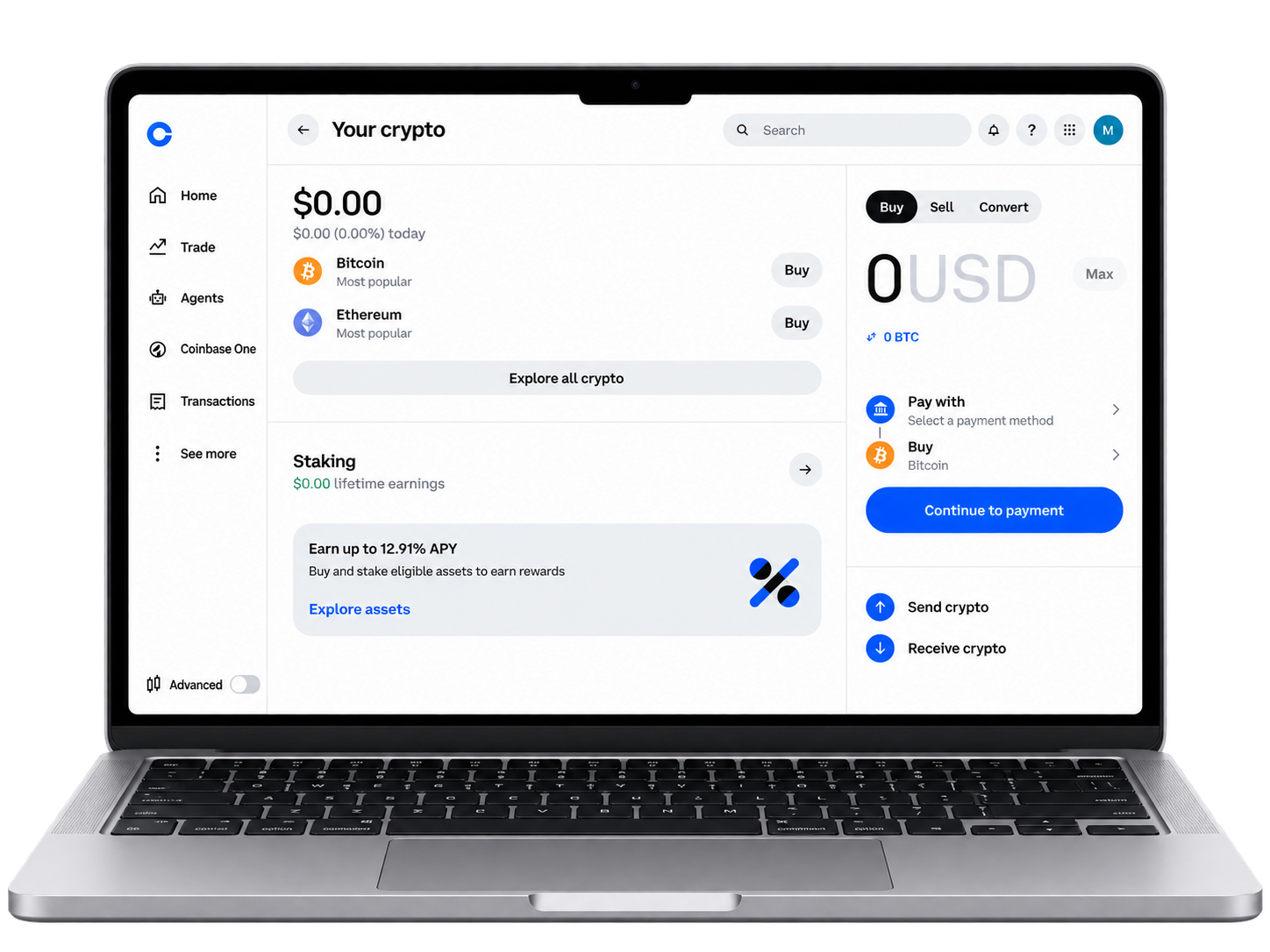
Coinbase’s standard interface remains one of its principal strengths, combining simple cryptocurrency purchases, recurring investments, portfolio tracking, transaction history, and fiat account management within a consistent desktop and mobile experience. Beginners can complete ordinary transactions without navigating professional order books, while experienced investors can switch to Coinbase Advanced when they require more precise execution. The shared account environment also reduces the inconvenience of maintaining separate balances and login credentials for basic and professional trading.
Coinbase One extends this experience through a paid membership program offering selected trading-fee benefits, enhanced account protection, priority support, and additional rewards. The program currently has Basic, Preferred, and Premium tiers, with zero-fee simple trading allowances of $500 per month, $10,000 per month, and unlimited qualifying volume, respectively. These benefits do not eliminate every trading expense. Coinbase continues to include a spread in applicable simple transaction quotes, while Coinbase Advanced trades, certain limit-order fees, derivatives, and external DEX charges are excluded from the standard zero-fee allowance.
Some membership tiers also provide reduced staking commissions, increased rewards on eligible USDC balances, and additional support or account-protection benefits. Selected members may qualify for Coinbase Advanced trading-fee rebates, although these are separate from the regular zero-fee simple trading allowance and can be subject to monthly limits. Benefit availability varies by country and membership tier, making it important to compare the subscription price against actual transaction volume and intended services.
For frequent investors, Coinbase One can provide worthwhile savings when the qualifying benefits exceed the cost of membership. However, a user making occasional small purchases may gain little from a recurring subscription, particularly when spreads remain part of the quoted execution price. The same applies to customers whose primary activity occurs through Coinbase Advanced, where the standard membership allowance does not automatically remove maker-taker fees.
Customer support also deserves consideration because exchange access depends on more than completing trades successfully. Coinbase provides help resources and account-assistance channels for payment issues, verification problems, and supported services, with additional support benefits available to eligible Coinbase One members. However, support cannot reverse confirmed blockchain transactions or eliminate all account-review delays. Withdrawal restrictions, staking unbonding, and payment-settlement holds remain governed by their respective conditions, even when the customer has a paid membership.
Additional Coinbase Products: Stocks, Derivatives, Payments, and More
Coinbase’s 2026 expansion extends beyond cryptocurrency trading, with the platform increasingly combining digital assets, traditional investments, and payment services. These additional products strengthen its appeal as a broader financial application, although their availability and regulatory protections differ substantially.
Stocks, ETFs, and IPO Access
Coinbase introduced stock and ETF trading for eligible U.S. customers, allowing supported securities to be managed alongside cryptocurrency holdings. The offering includes fractional shares, TradingView-powered analysis, and commission-free trading on eligible transactions, with securities services operated through a separate registered brokerage structure. Coinbase also expanded into primary-market investing in September 2026, allowing qualifying U.S. retail customers to request allocations in selected initial public offerings.
These services make Coinbase more versatile for investors who want to manage traditional and digital assets through one application. However, ownership of a stock or ETF differs fundamentally from cryptocurrency exposure, and brokerage protections do not automatically extend to digital assets held in a Coinbase exchange account.
Prediction Markets and Advanced Derivatives
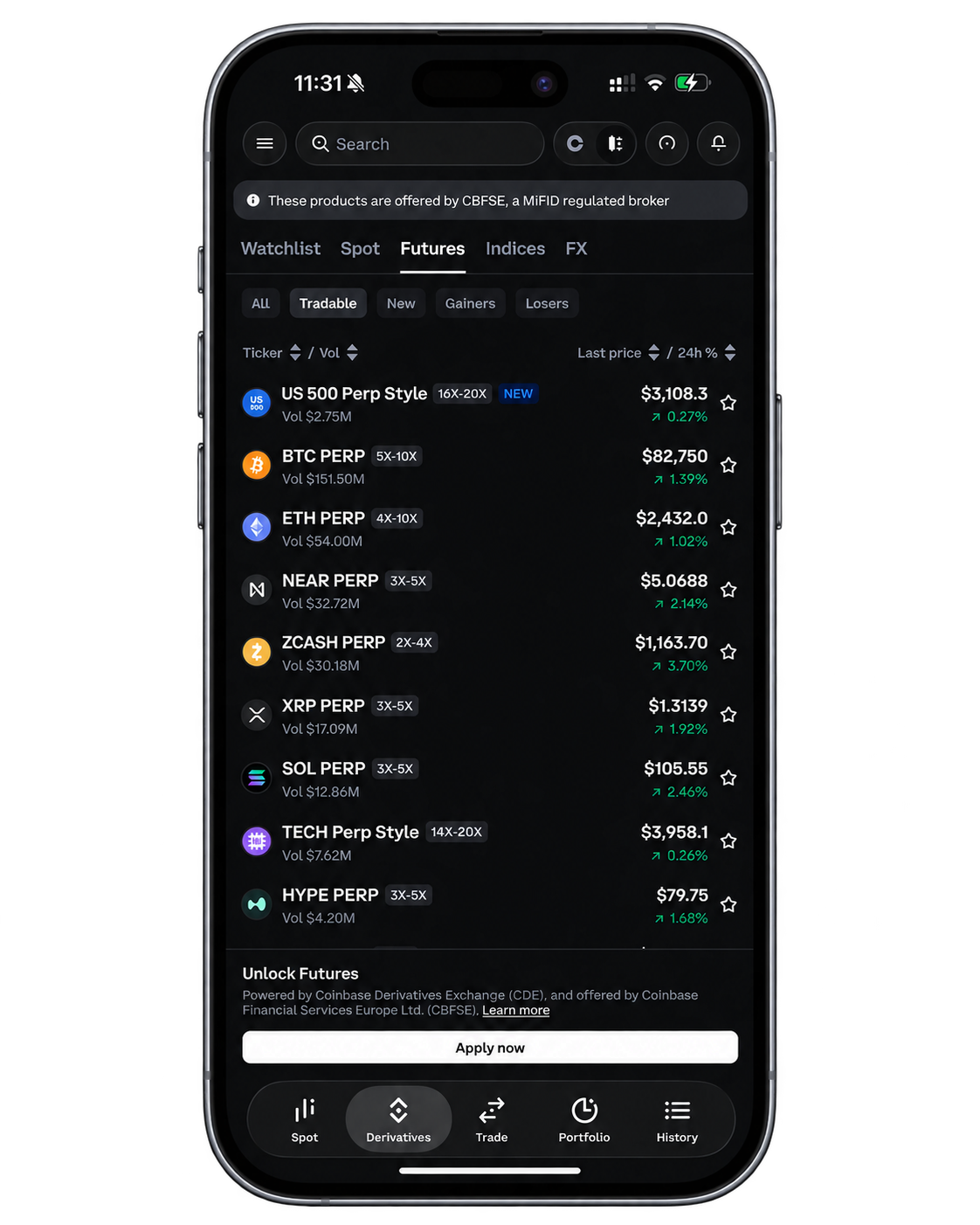
Coinbase has expanded into event-based prediction markets, allowing eligible users to trade contracts linked to defined future outcomes. Available categories include financial indicators, cryptocurrency price movements, and other supported events. The platform also offers crypto futures, perpetual-style products, and an expanding derivatives infrastructure, with additional markets and options functionality being introduced progressively.
These products are distinct from spot cryptocurrency purchases. Prediction contracts depend on defined settlement conditions, while derivatives involve margin requirements, liquidation exposure, and potentially significant losses. Availability can also be restricted by country or state, meaning access to ordinary Coinbase trading does not establish eligibility for prediction markets or leveraged products.
Coinbase Card and Crypto-Backed Borrowing
Coinbase Card allows eligible users to spend supported cryptocurrency or fiat balances through the Visa network, with availability across the United States and selected European countries. Cryptocurrency spending may involve conversion spreads and potential tax consequences, even where the card does not impose a separate transaction fee. The company also offers a distinct Coinbase One credit card for eligible U.S. members, providing Bitcoin rewards on qualifying purchases under separate lending and membership terms.
Crypto-backed borrowing provides another way for eligible customers to obtain liquidity without immediately selling their underlying holdings. Coinbase integrates supported borrowing arrangements through onchain lending infrastructure, allowing certain assets to serve as collateral. These loans carry risks associated with collateral-price declines, liquidation, interest expenses, and the underlying lending protocols. They should not be treated as equivalent to cash withdrawals or ordinary bank credit.
The additional financial services make Coinbase more capable than a conventional cryptocurrency exchange, but investors should judge each product independently. A competitive spot trading environment does not automatically establish favorable terms for derivatives, borrowing, payments, or traditional investments.
Deposits, Cash Withdrawals, and Network Transfers
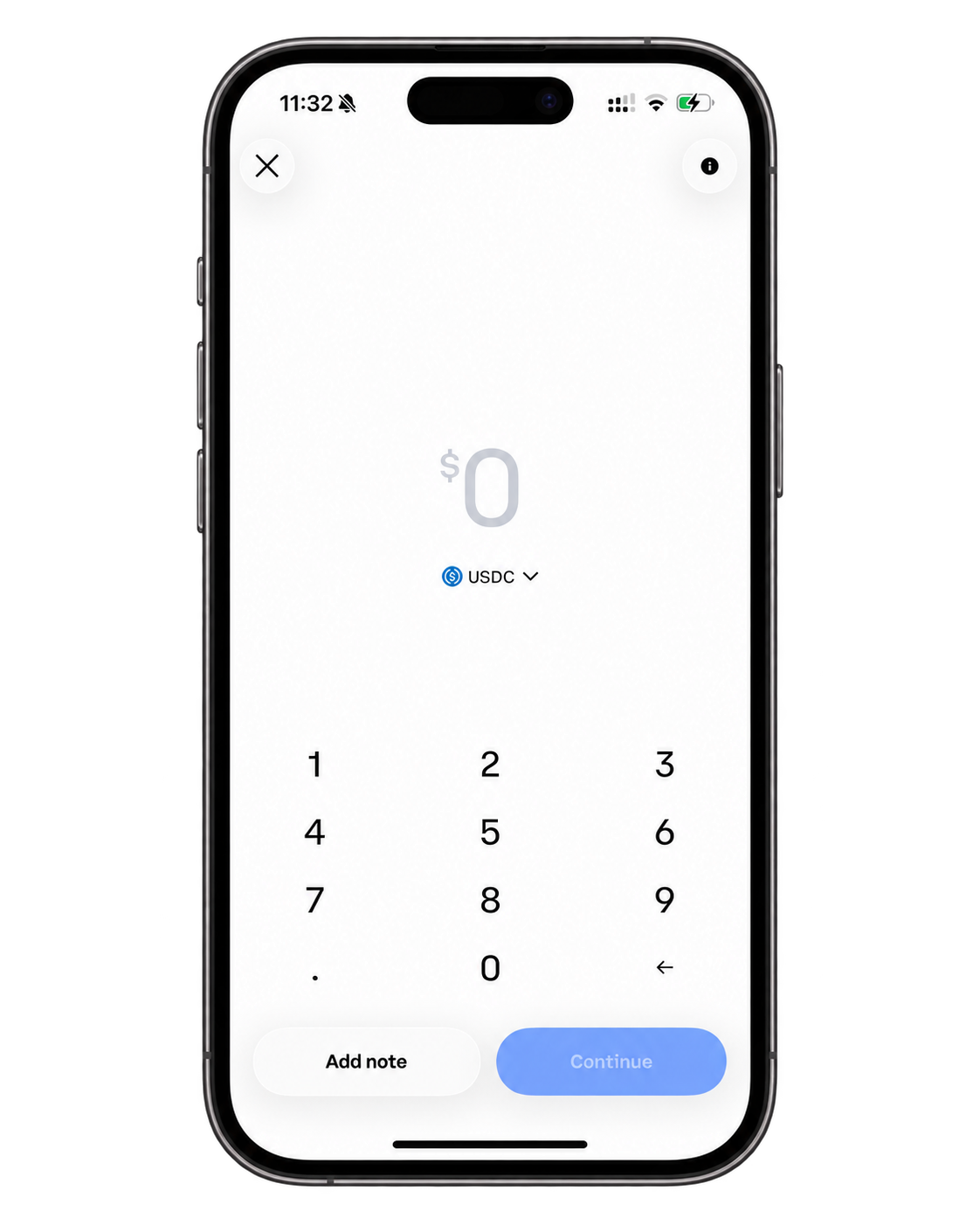
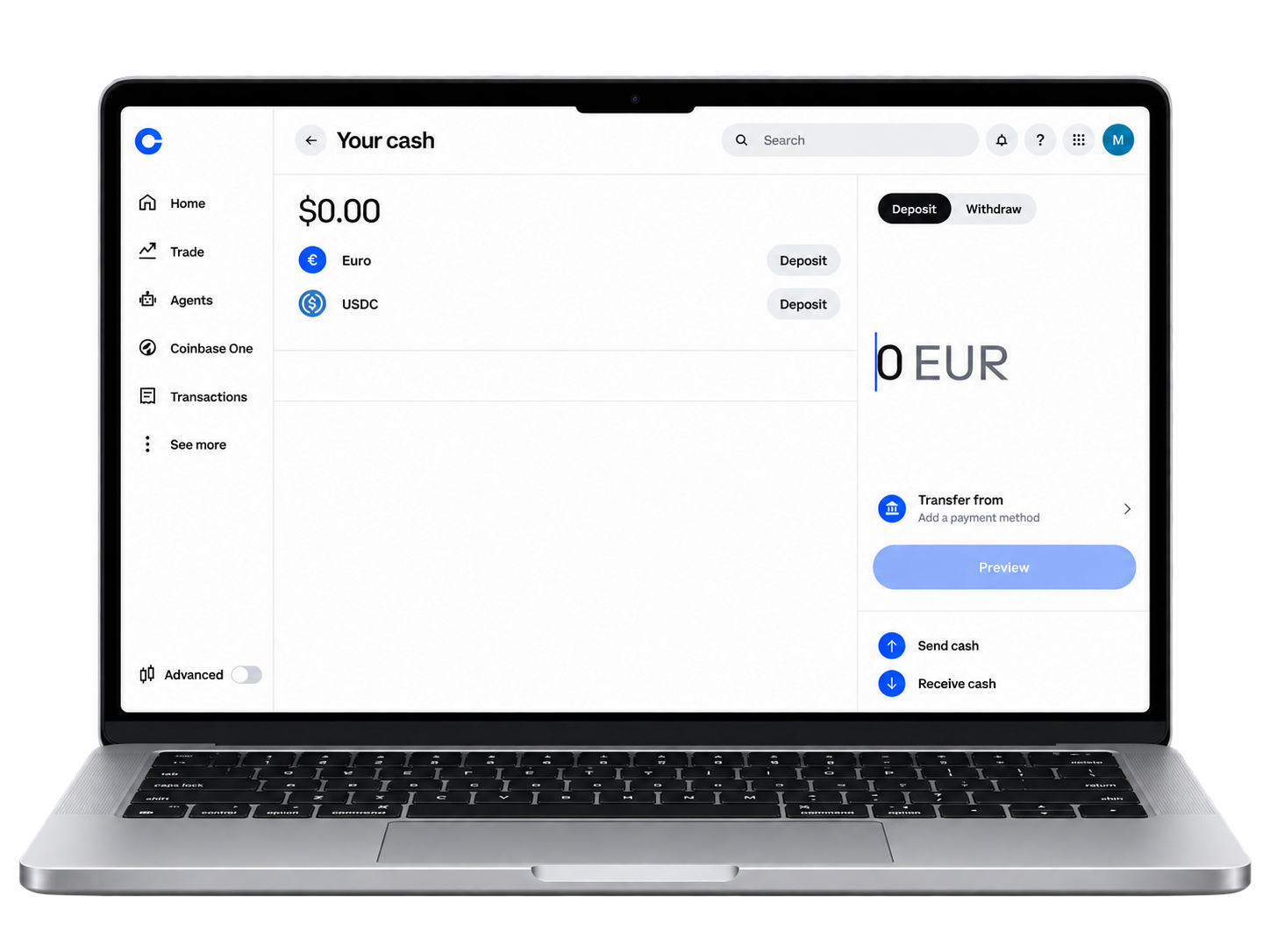
Coinbase supports multiple funding and withdrawal methods, with availability determined by the customer’s country, verified identity, and account configuration. Eligible European customers can deposit and withdraw euros through SEPA transfers, while supported UK customers can use Faster Payments and U.S. customers have access to domestic banking methods such as ACH and wire transfers. Payment cards are also supported for selected purchases, although their processing costs can make them less attractive than bank transfers for larger transactions.
Funding methods differ in speed, limits, and when deposited money becomes available for withdrawal. Bank deposits may be credited to the trading balance before the payment has fully settled, allowing customers to purchase cryptocurrency while temporarily restricting transfers outside Coinbase. This distinction is especially relevant to users buying assets with the intention of immediately moving them into self-custody. A balance available for trading does not necessarily represent funds that can already be withdrawn, and the duration of a hold depends on the payment method and applicable security or settlement requirements.
Cryptocurrency deposits and withdrawals require separate verification of the asset and supported blockchain network. Coinbase may support the same cryptocurrency across several networks, but those networks are not interchangeable unless the receiving service explicitly supports the selected route. Sending an asset over an unsupported network can result in delayed access, additional recovery charges, or permanent loss. Coinbase offers an asset-recovery service for certain unsupported transfers, but eligibility is limited and successful recovery is not guaranteed.
Network fees also influence withdrawal costs. Coinbase may charge an estimated network-based fee when sending cryptocurrency to an external address, with the amount depending on the asset, blockchain, and prevailing network conditions. Withdrawals can additionally be delayed by identity checks, unusual activity reviews, recent account-security changes, or congestion on the underlying network. Confirming destination addresses, selecting the correct network, and completing a small initial transfer can reduce the risk of errors when moving substantial balances.
For frequent traders, retaining a reasonable operational balance on Coinbase provides convenient access to liquidity and settlement services. Investors holding assets for extended periods may prefer a verified hardware wallet, where private keys remain under their direct control. That approach reduces ongoing exchange custody exposure but introduces personal responsibility for recovery credentials, device security, and transaction authorization.
Preview
Security & Regulation
Coinbase Security: Account Protection, Insurance, and Custody Risks
Coinbase combines institutional custody infrastructure with several account-level security controls, including passkeys, hardware security keys, authenticator-based two-factor authentication, device monitoring, and withdrawal-address allowlisting. Passkeys and FIDO2 security keys provide stronger protection against phishing than SMS-based verification, while allowlisting restricts cryptocurrency withdrawals to previously approved addresses. Newly added destinations are subject to a 48-hour waiting period once allowlisting is active, giving users additional time to identify unauthorized changes. Coinbase also supports account recovery through designated trusted contacts, providing an alternative verification mechanism when access credentials are lost.
These protections reduce common account-takeover risks, but they cannot eliminate threats involving compromised personal information or sophisticated social engineering. In May 2025, Coinbase disclosed a customer-data breach involving overseas support personnel who accepted bribes to access customer records. The attackers obtained personal and account information that could be used to impersonate Coinbase representatives and manipulate affected users into transferring cryptocurrency. The incident did not expose customer passwords or private keys, and Coinbase committed to reimbursing customers deceived into sending funds as part of the attack. Nevertheless, it demonstrated how compromised support systems and personal information can undermine customer security without directly breaching the exchange’s private-key infrastructure.
Coinbase maintains crime insurance covering a portion of digital assets held across its storage systems against specified theft-related events, including certain cybersecurity breaches. However, this coverage does not provide universal protection for individual accounts. Losses resulting from compromised personal credentials are excluded from the company’s general crime insurance, while the total value of a covered incident could exceed available insurance recoveries. Cryptocurrency balances are not protected by FDIC or SIPC insurance, and eligible U.S. dollar cash balances may qualify for separate pass-through deposit insurance only under specified banking arrangements and regulatory conditions.
Eligible Coinbase One members may receive additional account-protection benefits covering certain unauthorized cryptocurrency withdrawals, subject to membership requirements, security settings, reimbursement limits, and exclusions. This protection is distinct from Coinbase’s corporate crime insurance and does not generally reimburse transactions that customers personally authorized after being deceived. Investors should therefore assess the specific protection available to their accounts rather than assuming that a paid membership guarantees recovery from every form of fraud.
For customers maintaining substantial exchange balances, layered cryptocurrency security remains essential. Strong authentication, withdrawal allowlisting, a separately secured email account, and regular reviews of authorized devices can reduce exposure to account compromise. However, cryptocurrency held on Coinbase remains under the exchange’s custody, meaning customers depend on its internal controls, operational availability, and withdrawal procedures. Keeping assets needed for active trading on the exchange while transferring longer-term holdings into independently secured self-custody can reduce concentration of custodial risk.
Regulation, Geographic Availability, and Account Reviews
Coinbase operates through several regulated entities, with applicable protections and available services determined by the customer’s jurisdiction. In the European Economic Area, Coinbase Luxembourg S.A. is authorized by Luxembourg’s Commission de Surveillance du Secteur Financier under the Markets in Crypto-Assets Regulation (MiCA), allowing it to provide regulated cryptocurrency services across participating European markets. Electronic-money services are provided through a separate Irish entity, reflecting the distinction between holding fiat balances and providing crypto-asset services. This structure gives European customers an identifiable regulatory framework, although authorization does not guarantee cryptocurrency prices, prevent operational disruptions, or provide deposit insurance for digital assets.
Coinbase’s U.S. operations are subject to a different regulatory framework, with state money-transmission requirements, federal compliance obligations, and separate arrangements for products such as securities and derivatives. Its brokerage services operate through Coinbase Capital Markets Corporation, a FINRA-member broker-dealer with SIPC membership, while eligible futures and other derivatives products fall under their respective regulatory structures. The protections associated with a securities brokerage account do not automatically extend to cryptocurrency held on Coinbase’s spot exchange. Similarly, access to stocks, staking, prediction markets, derivatives, and onchain trading depends on the legal entity providing the service and the customer’s location.
Regulatory compliance also influences account access. Coinbase requires identity verification and may conduct additional reviews involving residency, transaction activity, source of funds, sanctions exposure, or suspected fraud. Depending on the circumstances, these procedures can restrict purchases, withdrawals, transfers, or access to particular products until the relevant requirements have been satisfied. Some restrictions are temporary and resolved through additional verification, while others arise from legal obligations or eligibility rules that prevent specific transactions. Customers can therefore have an active Coinbase account without qualifying for every service advertised across its global platform.
These requirements are particularly relevant to investors who depend on immediate liquidity or frequently transfer substantial amounts between exchanges and external wallets. Funds may be available for trading while remaining subject to payment-settlement holds, security checks, or withdrawal restrictions. Coinbase’s regulatory presence and established infrastructure provide important advantages over less transparent operators, but they do not eliminate the practical limitations of centralized custody. Investors should confirm which legal entity serves their account, understand the conditions governing withdrawals, and distinguish exchange-held cryptocurrency from assets controlled through separate self-custody or brokerage arrangements.
Coinbase vs Competitors
Coinbase vs Binance, Kraken, and OKX
Coinbase competes with Binance, Kraken, and OKX across cryptocurrency trading, staking, fiat funding, and advanced investment services. All four exchanges support professional trading, but their pricing structures, market coverage, automation tools, and regulatory arrangements differ considerably. Coinbase stands out for its accessible interface and integration of everyday investing with Coinbase Advanced, while its competitors offer advantages in trading costs, specialized execution tools, or reserve transparency.
The following comparisons examine standard spot fees, trading functionality, security, and product availability. Fees reflect published entry-level rates, with actual charges depending on account tier, jurisdiction, and trading pair.
Coinbase vs Binance
Binance is one of Coinbase’s strongest competitors for active cryptocurrency trading, offering extensive spot markets, derivatives, automated strategies, and liquidity across major trading pairs. Its standard international spot fees begin at 0.10% for both makers and takers, falling to 0.075% when eligible users pay fees with BNB. Coinbase Advanced’s entry-level rates are higher in the United States and Europe, although its revised international pricing is substantially more competitive in selected markets. For frequent traders, these differences can accumulate quickly, particularly when placing numerous orders without qualifying for higher fee tiers.
Coinbase offers a more straightforward experience for investors who primarily buy cryptocurrency using bank transfers, make recurring purchases, and occasionally access advanced trading tools. Binance provides a broader environment for active trading, with built-in grid bots, copy trading, extensive derivatives infrastructure, and additional opportunities through its Earn ecosystem. Both exchanges publish information about customer asset protection, but their transparency approaches differ: Binance offers cryptographic Proof of Reserves verification, while Coinbase operates as a publicly traded company subject to financial reporting and audit requirements.
| Feature | Coinbase | Binance |
|---|---|---|
| Standard Spot Fees | US: 0.50% / 0.90%; EU & UK: 0.25% / 0.50% | 0.10% / 0.10% internationally |
| Fee Discounts | Volume-based tiers and VIP pricing | Volume-based tiers and eligible BNB discounts |
| Beginner Experience | Simplified purchases, recurring investments, and Coinbase Advanced | Simple trading interface alongside extensive professional tools |
| Advanced Trading | Order books, charting, TWAP, bracket orders, and APIs | Advanced orders, trading bots, copy trading, and APIs |
| Derivatives | Futures, perpetuals, and additional products in eligible regions | Extensive futures, options, and leveraged markets where permitted |
| Security Transparency | Public-company financial reporting, audited statements, and custody controls | Proof of Reserves with cryptographic verification and exchange security controls |
| Additional Services | Staking, Coinbase One, onchain trading, and selected financial products | Earn, Binance Wallet, Launchpool, and other ecosystem services |
| Best For | Beginners and investors seeking accessible trading and banking integration | Active traders prioritizing competitive fees, liquidity, and broad trading functionality |
Coinbase is generally better suited to investors who prioritize an intuitive buying experience and gradual progression into professional trading. Binance offers stronger value for cost-conscious active traders who can access its international markets and automation tools. Regional eligibility is particularly important, as Binance’s international fee schedule and derivatives products do not automatically apply to every country.
Coinbase vs Kraken
Kraken competes closely with Coinbase in regulated cryptocurrency markets, combining established fiat funding infrastructure, professional trading, staking, and institutional services. Both exchanges offer simplified purchases alongside dedicated advanced trading interfaces, although Kraken Pro is more directly focused on order-book execution and market analysis. Coinbase provides a broader consumer-oriented experience, with recurring investments, integrated financial services, and additional access to onchain trading, stocks, and other eligible investment products.
Trading fees are an important distinction. Kraken Pro’s standard spot rates begin at 0.40% maker and 0.80% taker, compared with Coinbase Advanced’s 0.50% and 0.90% entry-level rates in the United States. In Europe, however, Coinbase Advanced starts at 0.25% maker and 0.50% taker, making it more competitive than Kraken’s lowest-volume standard tier. Both platforms offer lower fees as qualifying activity increases, while Kraken also considers eligible assets held on the platform when determining certain fee tiers. Consequently, the cheaper exchange depends on the customer’s region, trading activity, and account qualifications.
| Feature | Coinbase | Kraken |
|---|---|---|
| Standard Spot Fees | US: 0.50% / 0.90%; EU & UK: 0.25% / 0.50% | Kraken Pro: 0.40% maker / 0.80% taker |
| Fee Reductions | Trading volume, eligible balances, and VIP tiers | Trading volume or qualifying assets held on-platform |
| Beginner Experience | Highly accessible interface with integrated recurring investments | Simple purchasing interface with a separate professional trading environment |
| Advanced Trading | Coinbase Advanced, TWAP, bracket orders, and APIs | Kraken Pro, advanced charting, conditional orders, TWAP, and APIs |
| Derivatives | Futures and other products in supported jurisdictions | Futures and margin trading for eligible customers |
| Security Transparency | Public financial disclosures, custody controls, and account security protections | Published Proof of Reserves verification and established security controls |
| European Regulation | MiCA authorization through Coinbase Luxembourg | MiCA authorization through Kraken’s Irish entity |
| Best For | Beginners and investors seeking broader everyday financial functionality | Investors prioritizing exchange transparency, professional trading, and fiat access |
Kraken is particularly compelling for investors who value published Proof of Reserves, established exchange operations, and a trading environment centered on cryptocurrency markets. Coinbase has the advantage in overall accessibility and the range of services integrated into its main application. Neither platform is universally cheaper, and investors making frequent trades should compare the fee tier available to their account rather than assuming one exchange always offers better pricing.
Coinbase vs OKX
OKX is a more trading-focused alternative to Coinbase, with a comprehensive spot terminal, automated strategies, derivatives, and a separately operated self-custodial wallet ecosystem. Its international spot fees start at 0.08% maker and 0.10% taker, providing a substantial pricing advantage over Coinbase Advanced’s standard American and European tiers. The distinction is narrower in certain other international markets, where Coinbase offers lower entry-level fees than in its domestic markets.
OKX provides a particularly extensive selection of built-in trading bots, including spot grid strategies, recurring investment tools, and algorithmic execution methods. Coinbase Advanced supports sophisticated order controls, TWAP execution, and API connectivity, but its regular consumer experience emphasizes accessible investing over integrated strategy automation. OKX also offers extensive derivatives functionality in eligible jurisdictions, while European customers can access its separately regulated X-Perps products after completing the relevant eligibility checks. These contracts combine periodic funding with a defined long-term expiry rather than functioning as conventional perpetual futures without an expiry date.
| Feature | Coinbase | OKX |
|---|---|---|
| Standard Spot Fees | US: 0.50% / 0.90%; EU & UK: 0.25% / 0.50% | International: 0.08% / 0.10%; EEA spot-only: 0.10% / 0.20% |
| Fee Discounts | Volume-based tiers and VIP arrangements | VIP tiers based on qualifying volume or asset balances |
| Beginner Experience | Simplified purchases and a gradual transition to Advanced | Simplified purchases within a trading-oriented platform |
| Advanced Trading | TWAP, bracket orders, advanced charts, and APIs | Professional terminal, trading bots, advanced orders, and APIs |
| Automated Strategies | Recurring purchases and API-driven strategies | Grid bots, DCA, and integrated algorithmic trading |
| Derivatives | Regional futures, perpetuals, and other eligible products | Broad international derivatives; regulated X-Perps for eligible EEA users |
| Security Transparency | Public-company reporting and institutional custody infrastructure | Recurring Proof of Reserves with zk-STARK verification |
| Self-Custody Access | Integrated onchain trading through a separate self-custody environment | Dedicated OKX Wallet and Web3 services |
| Best For | Beginners and investors seeking accessible cryptocurrency and financial services | Experienced traders prioritizing automation, execution tools, and derivatives |
OKX is generally more attractive to active traders who regularly use automated strategies, advanced order types, or leveraged products. Coinbase provides a more accessible environment for first-time investors and users who want cryptocurrency purchases, fiat funding, and portfolio management without navigating a derivatives-focused platform. The choice also depends on regional access, particularly in Europe, where OKX’s fees and eligible products differ from its international offering.
Across all three comparisons, Coinbase’s strongest advantage is its combination of accessibility, established custody infrastructure, and expanding investment services. Binance and OKX generally provide more competitive entry-level spot pricing in their international markets, while Kraken offers an alternative centered on professional cryptocurrency trading and reserve transparency. Investors should compare total execution costs, available products, and custody arrangements rather than selecting an exchange solely because of its advertised fees or global trading volume.
Pros & Cons
- Smooth bank-to-crypto experience with strong desktop and mobile usability.
- Coinbase Advanced adds professional tools without a separate trading account.
- Established regulatory presence and robust account-security controls.
- Broad exchange-listed assets, selected staking options, and additional onchain access.
- Simple buys can be expensive after spreads and transaction charges.
- Custodial accounts remain subject to compliance holds and withdrawal restrictions.
- Coinbase One's zero-fee messaging has limits, with spreads still applying.
- Security protections do not eliminate phishing, account compromise, or custodial risk.
Bottom Line
Is Coinbase Worth It in 2027?
Coinbase remains one of the strongest cryptocurrency exchanges for investors seeking an accessible trading experience backed by established security infrastructure, regulatory oversight, and extensive market access. Its expanding product range, including Coinbase Advanced, staking, derivatives, and integrated onchain trading, makes it increasingly attractive to experienced users as well as beginners. The September 2026 fee revisions have also improved its competitiveness in several markets, although instant-purchase spreads, regional pricing differences, and staking commissions remain notable drawbacks. For investors prioritizing convenience, reliable fiat access, and a platform that accommodates increasingly sophisticated trading needs, Coinbase offers considerable value. However, frequent traders should compare execution costs with competing exchanges, while long-term holders must weigh the convenience of centralized custody against the benefits of controlling their own private keys.
FAQs
Is Coinbase safe to keep crypto on?
Coinbase offers strong account protections and regulated operating entities, but it remains a custodian for standard exchange balances. Cryptocurrency is not FDIC-insured, account-level theft may fall outside its crime insurance, and a hardware wallet may be more appropriate for funds that do not need to remain on an exchange.
Is Coinbase Advanced cheaper than a regular Coinbase purchase?
It often is for active traders because it exposes maker/taker pricing rather than relying on a simple conversion quote with a spread. The final comparison depends on the account’s region, fee tier, order type, pair, and funding method; the displayed trade preview is decisive.
Does Coinbase One eliminate all trading fees?
No. Eligible simple trades can have their transaction fees waived within membership limits, but spreads still apply. Coinbase Advanced trading is not automatically free, and any rebates or additional perks depend on the membership tier and terms.
What coins can be staked on Coinbase?
Selected assets include Ethereum, Solana, Cardano, Avalanche, Polkadot, Cosmos, and Tezos in supported markets. Availability, estimated rewards, commission, and unstaking schedules vary by asset and jurisdiction.
Does Coinbase support futures and perpetual trading?
Yes, through eligible derivatives products in supported jurisdictions. Access depends on local rules, onboarding, suitability checks, and the specific Coinbase entity offering the contracts; leverage and liquidation risk make them materially different from spot trading.
Is Coinbase better than Binance or Kraken for beginners?
Coinbase generally offers the most approachable mainstream buying flow of the three, although convenience may cost more than using an advanced order book. Binance provides broader trading functionality in eligible markets, while Kraken is a strong alternative for users prioritizing exchange execution and transparent reserves.