







 X
 Facebook
 LinkedIn
 Google News
 Telegram
 Instagram
 RSS Feed


Introduction
Hardware wallets are designed to protect cryptocurrency private keys from threats associated with internet-connected devices, but their security can be compromised before they are ever used. Counterfeit hardware, unauthorized modifications during distribution, manipulated firmware, and physical attacks can undermine even sophisticated devices, making supply-chain integrity and tamper resistance important considerations for cryptocurrency holders.
What Is Anti-Tamper Protection in a Hardware Wallet?
Anti-tamper protection refers to security mechanisms designed to reveal, resist, detect, or respond to unauthorized physical or software modifications to a hardware wallet. These protections address threats that ordinary private-key isolation cannot fully prevent, particularly when attackers gain access to a device during manufacturing, distribution, or after it has been purchased. Their purpose is to make interference more difficult, increase the likelihood of detecting a compromise, or prevent sensitive information from remaining accessible during an attack.
Manufacturers implement these protections in different ways. Some use cryptographic authentication to distinguish genuine devices from counterfeits, while others incorporate reinforced enclosures, specialized security chips, intrusion sensors, or automatic data-erasure mechanisms. Firmware verification adds another layer by restricting unauthorized software changes. The effectiveness of each approach depends on the components being protected and the methods an attacker might use, which makes understanding the underlying technology more useful than relying on general claims about tamper-proof hardware.
Types of Anti-Tamper Protection and How They Work
Modern hardware wallets generally combine several security mechanisms rather than relying on a single protective feature. The following table compares the main technologies, their intended benefits, and the limitations buyers should understand.
| Protection Type | How It Works | Main Security Benefit | Key Limitation |
|---|---|---|---|
| Tamper-Evident Packaging | Specialized seals, bags, or labels reveal certain forms of opening | Helps identify interference during shipping | Packaging can be reproduced or replaced |
| Cryptographic Device Authentication | Protected credentials establish the identity of specified hardware components | Helps detect counterfeit or substituted devices | May not detect implants added to genuine hardware |
| Secure Elements | Specialized chips protect cryptographic secrets and enforce hardware security controls | Makes certain physical extraction attacks more difficult | Effectiveness depends on the chip and its implementation |
| Physical Intrusion Detection | Sensors or protected circuitry respond to specified tampering conditions | Detects certain enclosure and hardware attacks | Some modifications may avoid detection |
| Automatic Secret Erasure | Sensitive information is cleared following defined security events | Limits access to protected information after an intrusion | Requires a reliable recovery backup |
| Secure Boot and Signed Firmware | The device authenticates firmware before allowing it to run | Restricts execution of unauthorized firmware | Cannot establish complete physical integrity |
| Firmware Integrity Checks | Cryptographic signatures or hashes help identify unexpected software changes | Supports software verification and secure updates | Does not detect unrelated physical modifications |
| Hardened Enclosures | Protective materials and construction complicate physical access | Increases the difficulty of device disassembly | Cannot guarantee detection of sophisticated attacks |
| Multi-Chip Security Architecture | Sensitive operations are distributed across multiple hardware components | Can reduce reliance on a single security chip | Protection depends on component interaction |
Top Picks
Best Hardware Wallets With Anti-Tamper Protection
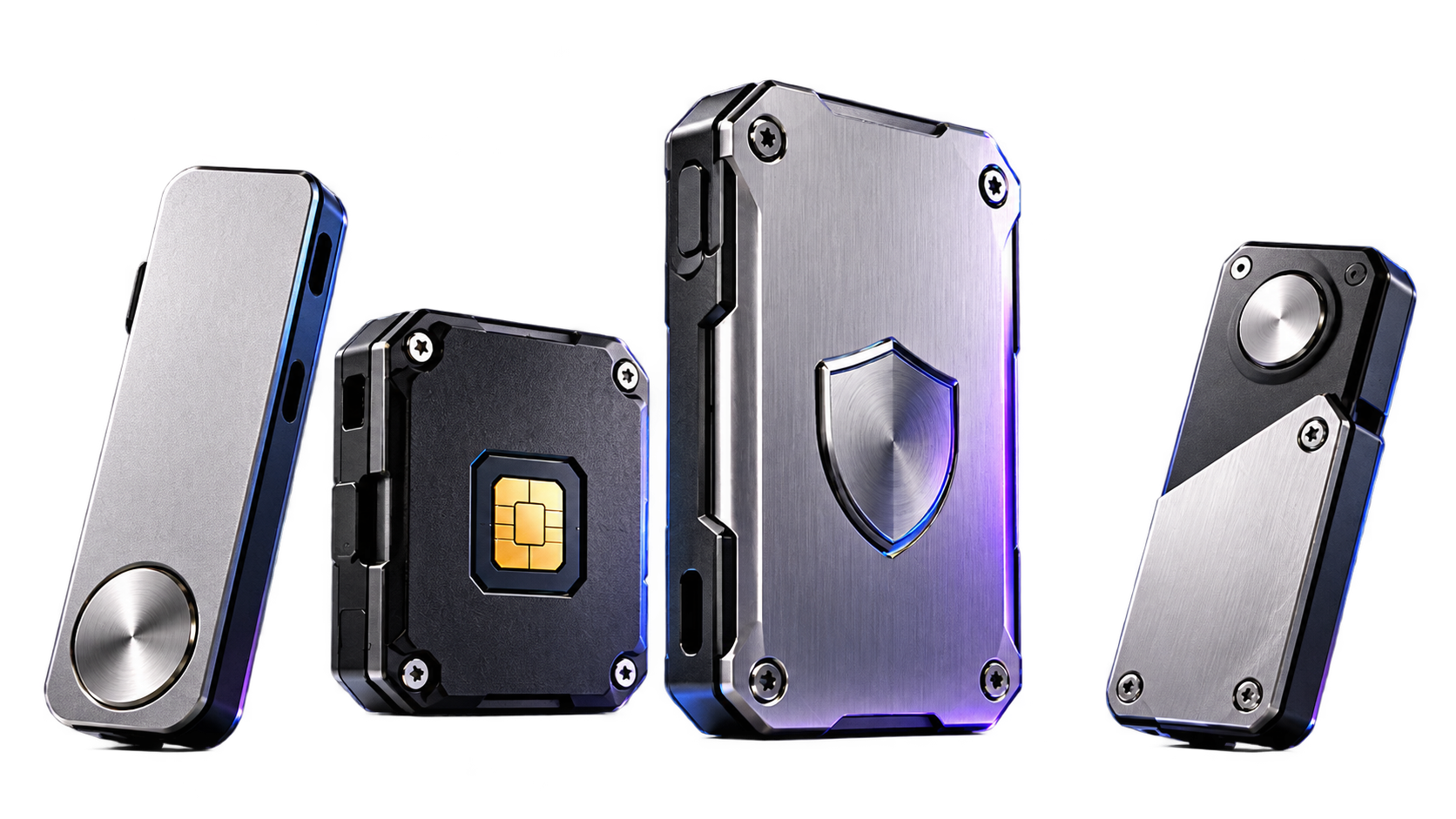
The hardware wallets we chose stand out for their security architecture and anti-tamper capabilities. Each offers a different balance of physical protection, usability, and custody flexibility, allowing investors to identify the option that best matches their holdings, preferred signing workflow, and security requirements.
1
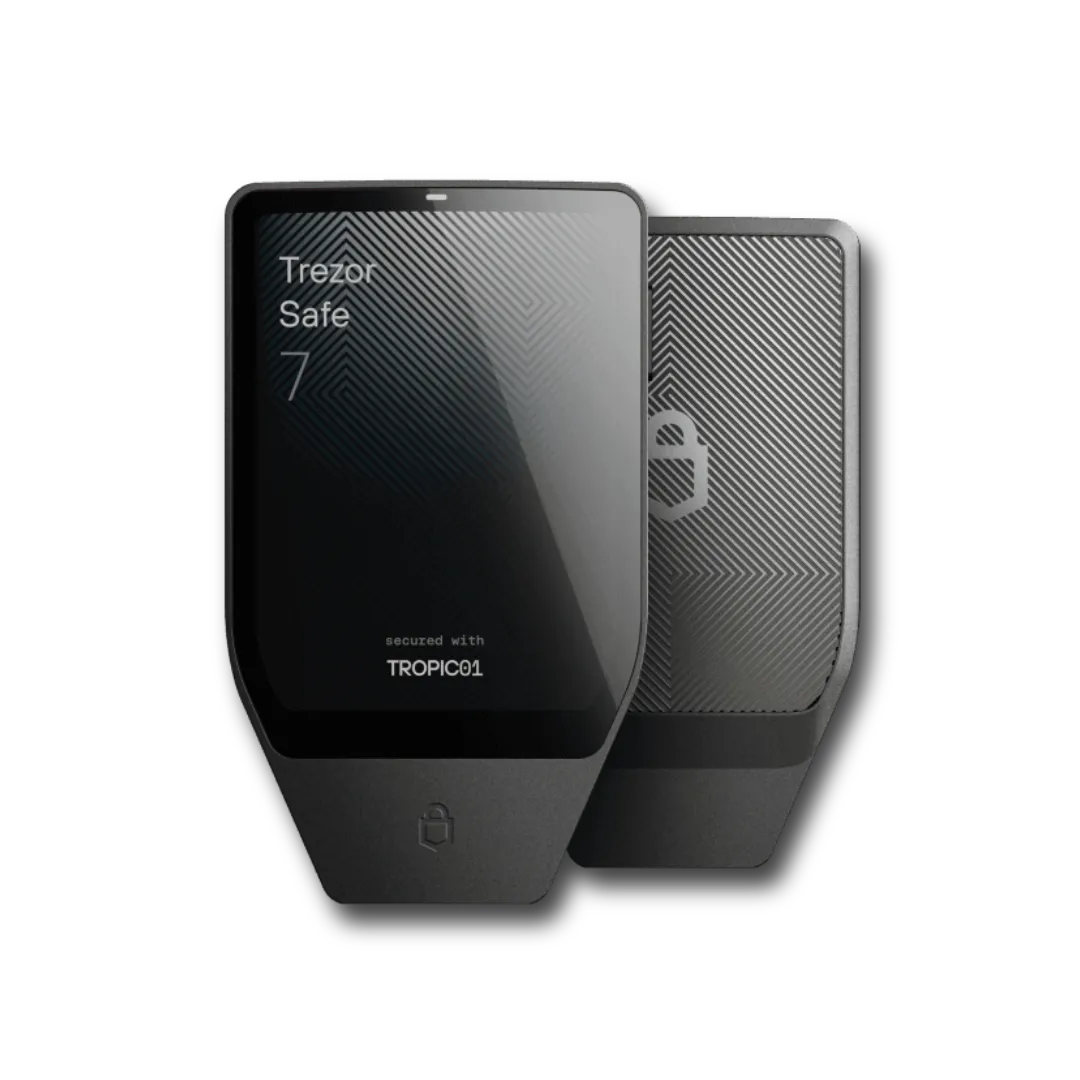 Trezor Safe 7
9 - Excellent |
Arguably one of the best hardware wallets you can buy in 2027. | ||
2
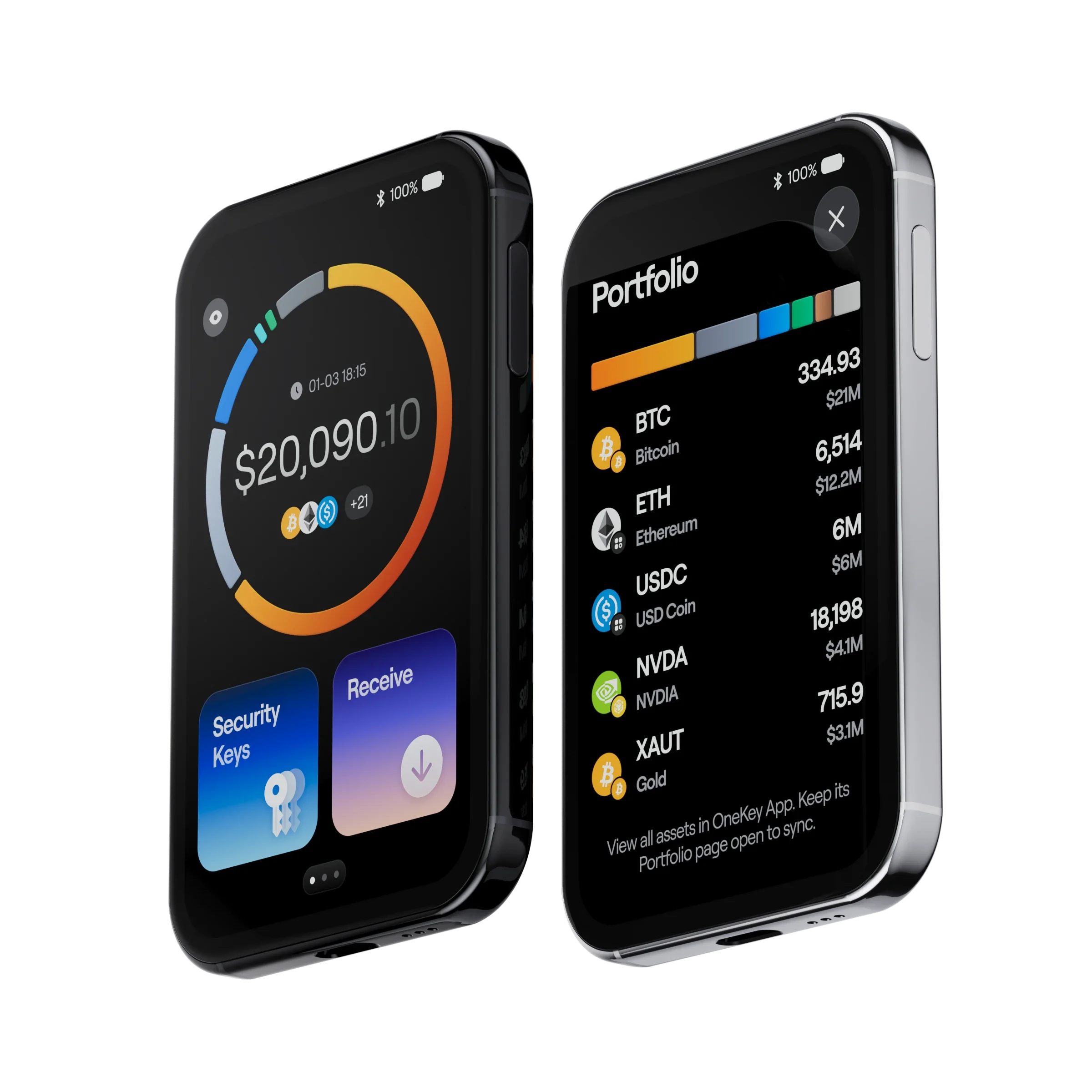 OneKey Pro 2
8.7 - Great |
Four Secure Elements, smarter transaction security, and complete self-custody. | ||
3
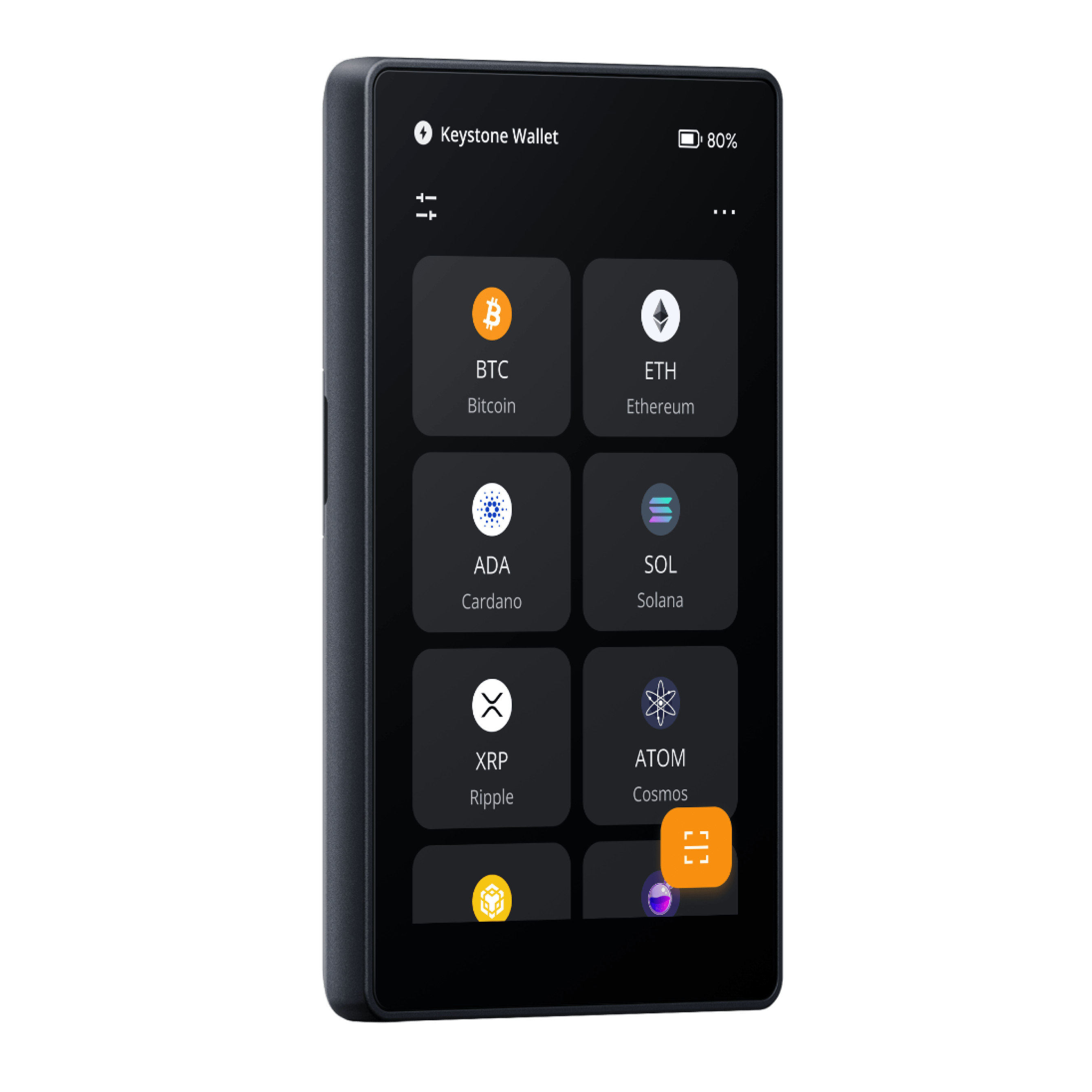 Keystone 3 Pro
8.8 - Great |
Elevating Your Crypto Security with Anti Blind Signing. | ||
4
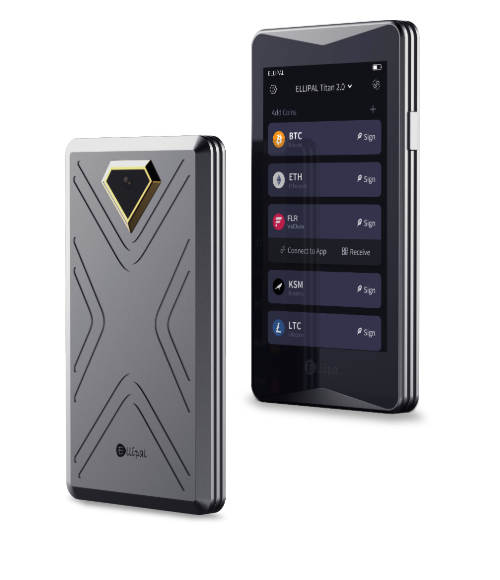 Ellipal Titan 2.0
8.5 - Great |
A fortress for your crypto with true air-gapped security. | ||
5
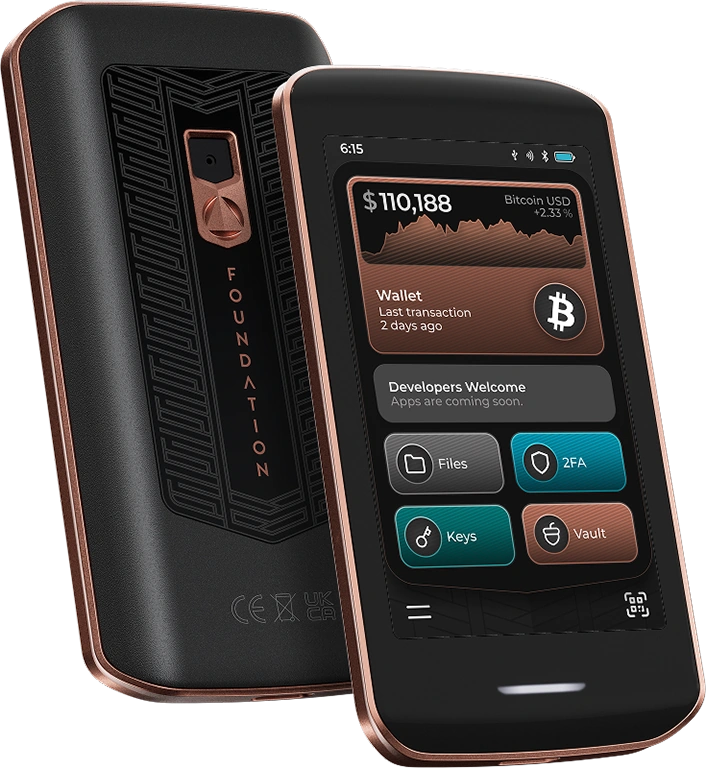 Passport Prime
8.3 - Great |
Unusually serious physical security and a versatile personal vault. |
Protection Comparison
Anti-Tamper Protection Comparison
The table below compares the anti-tamper protections offered by our five selected hardware wallets, including cryptographic device authentication, Secure Elements, physical intrusion detection, firmware integrity, and tamper-response mechanisms. These mechanisms address different security threats, making it important to understand what each wallet protects against rather than judging security solely by the number of features.
| Wallet | Physical Protection | Intrusion Detection/Verification | Tamper Response | Key Protection |
|---|---|---|---|---|
| Holographic security seal | Voltage and temperature and laser sensors | Automatic secret erasure | Dual secure elements | |
| Tamper-evident seals | Genuine-device verification | Abnormal-activity erasure | Quad secure elements | |
| PCI anti-tamper design | Disassembly detection | Automatic data destruction | Triple secure elements | |
| Sealed metal casing | Light and temperature sensors | Automatic key erasure | EAL5+ secure element | |
| Protected debug interfaces | Dual tamper switches | SECURAM memory clearing | Tamper-resistant secure element |
Supply-Chain Attacks
Hardware Wallet Supply-Chain Attacks Explained
A supply-chain attack compromises a product or an associated process before it reaches the intended owner, or during a later distribution, servicing, or returns procedure. For hardware wallets, these attacks can be especially damaging because the owner may initialize the device and transfer substantial funds before discovering that its hardware or software cannot be trusted. The attacker does not necessarily need to obtain the wallet after purchase if the compromise has already been introduced somewhere in its distribution history.
Potential attack points include component sourcing, manufacturing facilities, warehouses, transportation networks, retailers, and previously returned devices. Some attacks involve replacing an entire product, while others introduce relatively small modifications intended to intercept recovery information or interfere with transaction authorization. The distinction is significant because conventional counterfeit detection may be effective against a substituted wallet but less effective when unauthorized electronics have been added to an otherwise legitimate device.
Counterfeit Hardware Wallets
Counterfeit devices imitate the appearance and functionality of legitimate hardware wallets while containing unauthorized components or software. A malicious device may generate predictable recovery phrases, expose sensitive information during initialization, or misrepresent transaction details to its owner. These attacks depend partly on convincing the buyer that the hardware is genuine, which is why familiar packaging, branding, and an apparently functional interface can be used to create a false sense of confidence.
Cryptographic device authentication can provide meaningful protection against this form of substitution when counterfeit hardware cannot reproduce the manufacturer’s protected credentials. However, the buyer must use the legitimate verification procedure rather than relying on whether the device connects successfully to a wallet application. An application recognizing a device does not necessarily establish that the hardware has passed a cryptographic authenticity check. The security of the process also depends on obtaining trusted companion software and following the manufacturer’s initialization instructions.
Modified Genuine Devices
Modifying an authentic wallet represents a more sophisticated supply-chain threat because the attacker can preserve legitimate security components while introducing unauthorized electronics elsewhere. Depending on the design, additional circuitry could monitor information displayed during recovery setup, intercept communication between components, or manipulate a portion of the transaction-verification process. The wallet may continue operating normally, and authentication mechanisms checking its original Secure Element may still succeed.
The 2026 Ledger hardware-implant investigation illustrated this distinction. Genuine Ledger devices distributed through the CryptoBilis reseller channel were found with unauthorized hardware intended to capture recovery information. The incident concerned physical modifications introduced through the distribution chain rather than a demonstrated compromise of Ledger’s internal Secure Element architecture. It highlighted how a legitimate security component can continue functioning while another part of the device is manipulated, making comprehensive supply-chain protection more complex than verifying a manufacturer’s cryptographic credentials.
Malicious Firmware and Compromised Initialization
Supply-chain attacks can also target the software or initialization process without requiring a visibly counterfeit device. Unauthorized firmware may alter how private keys are generated, how transactions are displayed, or how signing operations are performed. Separately, a malicious seller may attempt to provide a preconfigured wallet or recovery phrase, persuading the buyer to use credentials already known to the attacker. In such cases, the hardware may appear to work correctly even though the attacker can independently reconstruct the wallet and access any funds subsequently deposited.
Secure-boot mechanisms and authenticated firmware updates help address software substitution, while trustworthy wallet initialization reduces the risk of relying on compromised recovery information. Buyers should generate new recovery credentials through the manufacturer’s legitimate setup procedure and avoid devices that arrive with an unexplained existing wallet configuration. Physical inspection, genuine-device verification, authenticated firmware, and secure recovery generation work together to address different parts of the supply chain, providing a more comprehensive defense than any single safeguard alone.
Reviews
The hardware wallets we chose stand out for their security architecture and anti-tamper capabilities. Each offers a different balance of physical protection, usability, and custody flexibility, allowing investors to identify the option that best matches their holdings, preferred signing workflow, and security requirements.
Trezor Safe 7
Arguably one of the best hardware wallets you can buy in 2027.
Best suited for security-conscious crypto investors, long-term holders, and active self-custody users.
The Trezor Safe 7 is the flagship hardware wallet from Trezor, combining a dual Secure Element architecture, open-source firmware, encrypted Bluetooth connectivity, and a 2.5-inch color touchscreen. Introduced in October 2025, it represents the company’s most substantial attempt to combine advanced physical security with the convenience expected from modern cryptocurrency wallets. The device also introduces […]
- Quantum-ready Protections
- Auditable Chip
- Wireless Charging
- Encrypted Bluetooth
- Dual Secure Elements provide layered protection against physical attacks and unauthorized access.
- Cryptographic device authentication helps detect counterfeit hardware and verify genuine components.
- Open-source architecture, independent security scrutiny, and signed firmware strengthen transparency.
- Large color touchscreen, Bluetooth connectivity, and flexible recovery options improve usability.
- The TROPIC01 Secure Element has faced demonstrated physical fault-injection vulnerabilities.
- Premium pricing makes it less attractive for investors with smaller cryptocurrency holdings.
- Bluetooth connectivity and additional features increase the overall system complexity.
- Tamper-evident seals and device authentication cannot detect every possible hardware modification.
OneKey Pro 2
Four Secure Elements, smarter transaction security, and complete self-custody.
Best for security-conscious multi-chain investors, active Web3 users, and experienced cryptocurrency holders.
The OneKey Pro 2 is a premium cryptocurrency hardware wallet launched in October 2026, combining four EAL6+ Secure Elements, physical tamper protection, air-gapped transaction signing, and an advanced touchscreen interface. Priced at $299, it builds on the original OneKey Pro with a redesigned security-focused operating system, improved transaction verification, and a more portable form factor. […]
- Portfolio Display
- Quad Secure
- Locate Tracking
- Ultra-Thin Form
- Four EAL6+-certified Secure Elements provide strong hardware-level protection against private-key extraction.
- Independent Keylabs security assessment confirmed fixes for identified medium-severity vulnerabilities before release.
- Signed firmware, rollback protection, and integrity checks help prevent unauthorized software modifications.
- Device authenticity verification and tamper-evident packaging provide additional protection against counterfeit hardware.
- No active physical intrusion-detection circuitry to identify or respond to enclosure tampering.
- Genuine-device verification cannot guarantee detection of malicious hardware implants added to authentic devices.
- Independent testing identified residual low-severity physical attack surfaces.
- EAL6+ certifications cover individual security chips rather than the complete wallet or its physical tamper resistance.
Keystone 3 Pro
Elevating Your Crypto Security with Anti Blind Signing.
Strongest for self-custody users who hold assets across several networks and want offline transaction approval without abandoning established software wallets.
Keystone 3 Pro is a premium air-gapped cryptocurrency hardware wallet designed for secure offline transaction signing and protection against physical tampering. Equipped with three Secure Elements, a 4-inch touchscreen, and fingerprint authentication, it combines advanced hardware security with practical multi-chain functionality. Its QR-code signing system keeps private keys isolated from direct USB and Bluetooth connections […]
- Air-gapped Security
- Triple Chips
- Touchscreen Display
- Fingerprint Scanner
- Active physical tamper protection: Built-in tamper-response mechanisms are designed to erase sensitive information when certain unauthorized intrusion attempts are detected.
- Triple Secure Element architecture: Three security chips provide hardware-backed protection for sensitive cryptographic operations and wallet credentials.
- Device authenticity verification: Keystone's official verification process helps identify counterfeit devices and provides an additional safeguard against supply-chain substitution.
- Firmware integrity and security transparency: Verified firmware releases, published checksums, and publicly available source code support software integrity checks and independent scrutiny.
- No guarantee against sophisticated hardware modifications: Physical tamper-response mechanisms may not detect every type of intrusion, component substitution, or malicious implant.
- Limited scope of authenticity verification: A successful device check cannot conclusively establish that every internal component remains unmodified.
- Automatic erasure creates recovery dependence: Triggering the tamper-response mechanism can make wallet recovery necessary, leaving users dependent on securely preserved recovery information.
- Incomplete independent validation of physical protections: Secure Element certifications and manufacturer-described anti-tamper features do not establish that the complete device has been independently tested against every physical attack.
Ellipal Titan 2.0
A fortress for your crypto with true air-gapped security.
Best for long-term crypto holders, investors managing diversified portfolios, and security-focused users.
The ELLIPAL Titan 2.0 is a fully air-gapped hardware wallet designed for investors who want to keep cryptocurrency private keys isolated from internet-connected devices. Unlike conventional hardware wallets that rely on USB or Bluetooth, it signs transactions through QR codes, allowing users to verify payments on a large 4-inch touchscreen without establishing a direct data […]
- Air-gapped Security
- QR-code Signing
- Tamper-proof Self-destruct
- Full-metal Casing
- Full-metal, screwless enclosure makes unauthorized disassembly difficult and helps reveal physical interference.
- Built-in tamper-response mechanism is designed to automatically erase private keys when intrusion is detected.
- EAL5+-certified Secure Element provides hardware-level protection against certain physical key-extraction attacks.
- Fully air-gapped QR signing eliminates Bluetooth, Wi-Fi, NFC, and USB data connections, reducing exposure to connection-based attacks.
- Automatic key erasure can render the device unusable, making secure recovery backups essential.
- Physical tamper detection cannot guarantee identification of every sophisticated hardware implant or supply-chain modification.
- Publicly documented manufacturer testing does not independently establish reliable key erasure under every attack scenario.
- EAL5+ certification covers the security chip rather than the complete wallet, enclosure, or tamper-response system.
Passport Prime
Unusually serious physical security and a versatile personal vault.
Best suited for security-focused Bitcoin holders, privacy-conscious users, and tech enthusiasts.
Passport Prime is Foundation’s premium Bitcoin hardware wallet and personal security device, released commercially in 2026. It combines hardware-based Bitcoin signing with two-factor authentication, security keys, encrypted file storage, and a dedicated operating system called KeyOS. The result is more ambitious than a conventional cold wallet, but the additional functions also make the choice less […]
- Human Authority
- QuantumLink Encryption
- Rust-Based KeyOS
- Airlock Storage
- Advanced anti-tamper protection with active intrusion detection, protected memory, and automatic erasure after repeated incorrect PIN attempts.
- Independently audited security architecture combining a Secure Element, three-factor seed protection, verified boot, and multi-signature firmware authorization.
- Open-source KeyOS operating system featuring a Rust-based microkernel, application sandboxing, and isolation of sensitive cryptographic operations.
- Versatile personal security platform combining Bitcoin self-custody, FIDO security keys, two-factor authentication, encrypted file storage, and NFC backups.
- Premium pricing makes Passport Prime considerably more expensive than many dedicated Bitcoin hardware wallets.
- Bitcoin-only cryptocurrency support limits its suitability for investors holding Ethereum, Solana, and other digital assets.
- Bluetooth and USB data connectivity introduce additional communication interfaces compared with strictly air-gapped, QR-only hardware wallets.
- Newer, multi-purpose architecture has a shorter operating history and greater functional complexity than established Bitcoin-only signing devices.
How to Choose a Wallet
How to Choose an Anti-Tamper Hardware Wallet
Choosing an anti-tamper hardware wallet requires understanding which security threats the device is designed to address and how its protections work together. A wallet intended for long-term Bitcoin storage may prioritize physical security, firmware transparency, and recovery reliability, while one used regularly across Ethereum, Solana, and other networks must also provide compatible signing tools and sufficient transaction visibility. The strongest option is not necessarily the device with the most Secure Elements or the highest advertised certification, but the one whose architecture provides meaningful protection for its intended use.
Evaluate the Hardware Security Architecture
The starting point is how the wallet generates, stores, and uses private keys. Secure Elements can provide hardware-enforced authentication limits, protected cryptographic operations, and resistance to certain physical extraction techniques, but their effectiveness depends on their integration with the device’s processor, firmware, and other components. Some manufacturers use multiple security chips to separate responsibilities, potentially limiting the consequences of compromising one component. Others use a more focused architecture with fewer chips and clearly defined security boundaries.
Buyers should examine which components hold sensitive information, how key generation is protected, and whether an attacker could obtain sufficient information by compromising a less protected part of the device. A manufacturer that documents these responsibilities provides a stronger basis for evaluation than one relying mainly on chip counts or certification labels. The available technical information should make it possible to understand what each security component protects and which attacks the complete architecture is intended to resist.
Prioritize Device Authentication and Supply-Chain Verification
Genuine-device verification deserves particular attention because a hardware wallet can be compromised before it reaches its owner. Cryptographic authentication helps establish whether a device possesses legitimate manufacturer-issued credentials, making it more difficult for counterfeit hardware to impersonate an authentic product. Implementations differ, however, and buyers should establish whether the process verifies a particular security chip, several independent components, or a broader set of device characteristics.
The best-supported implementations provide a clear verification procedure during initial setup, explain the significance of the result, and identify what users should do when authentication fails. A successful check provides meaningful evidence of authenticity, but its scope matters. An attacker could potentially modify components outside the verification boundary while preserving legitimate credentials. For that reason, manufacturer-controlled distribution, device inspection, and cryptographic authentication should be considered complementary protections rather than alternatives.
Examine Physical Tamper Resistance
Physical tamper resistance becomes particularly important when a wallet may be stolen, intercepted, or accessed without the owner’s knowledge. Reinforced enclosures, protected internal circuitry, intrusion sensors, and automatic erasure mechanisms can make certain attacks more difficult or reduce the opportunity to extract sensitive information after unauthorized access. These features are most useful when the manufacturer specifies how they operate and which events activate their protective response.
A wallet designed to erase sensitive data when its enclosure is forcibly opened may offer meaningful protection against invasive extraction, but the same mechanism might not detect a carefully installed implant or an alteration made outside the monitored components. Buyers should therefore distinguish between resistance to forced disassembly, detection of unexpected physical changes, and protection against modified genuine hardware. Recovery arrangements also deserve consideration because a protective reset may leave the original device unusable even though the associated cryptocurrency remains recoverable through a valid backup.
Look Beyond Security Certifications and Marketing Claims
Security certifications can help establish the assurance level of particular hardware components or systems, but they must be interpreted according to their documented scope. Common Criteria evaluations such as EAL5+, EAL6+, and EAL7 assess defined targets under specified conditions. An EAL6+-certified Secure Element does not automatically mean the wallet’s enclosure, firmware, companion application, and recovery process have undergone the same evaluation.
Independent security assessments can provide additional context, particularly when researchers examine complete devices rather than individual chips. Published vulnerability disclosures, hardware investigations, firmware analyses, and subsequent manufacturer responses may reveal limitations that are not apparent from specifications. Buyers should give greater weight to clearly documented protections and meaningful independent scrutiny than to absolute claims about devices being unhackable or completely tamper-proof. A manufacturer that responds transparently to discovered weaknesses may provide more useful evidence of its security practices than one that offers extensive certifications without explaining their relevance.
Consider Firmware Security and Long-Term Maintenance
Hardware wallets require ongoing software maintenance as security weaknesses are discovered and blockchain transaction formats evolve. Secure boot, authenticated firmware releases, and signed updates help protect against unauthorized software modifications, but the practical value of these mechanisms depends on the quality of their implementation and the manufacturer’s maintenance procedures. A device with sophisticated hardware but infrequent security updates or unclear support arrangements may become less suitable over time.
Buyers should examine the availability of release notes, vulnerability-disclosure procedures, independent research, and documented update mechanisms. Open-source firmware can make independent inspection possible, although publishing source code does not establish that every shipped binary or hardware component has been independently verified. Proprietary firmware requires greater reliance on the manufacturer’s assurance processes and any external evaluations available. In either case, a credible maintenance record and clearly authenticated update process are more valuable than marketing claims about software security.
Assess Transaction Signing and Software Compatibility
Hardware wallets use different methods to exchange transaction information with connected applications, including USB, encrypted Bluetooth, QR codes, and removable storage. These methods influence both security exposure and usability. QR-based signing removes certain direct communication interfaces from the normal transaction process, while USB and Bluetooth devices rely on appropriately secured connections between the signing hardware and its companion software. Neither approach automatically determines the security of the complete wallet, since all must interpret externally prepared transaction data correctly.
The hardware display is equally important because it provides the owner’s opportunity to verify an action before authorization. Investors regularly using decentralized applications should pay particular attention to clear signing, especially whether the device can explain token allowances, contract permissions, recipients, amounts, and supported transaction details in understandable terms. A wallet that protects keys against physical extraction can still authorize a harmful transaction if the user cannot identify what is being approved.
Compatibility should also be evaluated according to actual use rather than advertised asset counts. A device may support transfers on a particular blockchain while offering limited functionality for staking, NFTs, multisignature transactions, or specialized Web3 applications. Bitcoin-only holders may benefit from a narrower signing environment, whereas multi-chain investors often require broader integrations and more sophisticated transaction interpretation.
Match Recovery Options to Your Custody Requirements
Recovery arrangements influence the long-term security of a hardware wallet just as much as its physical protections. Conventional seed phrases, passphrases, threshold-based backups, and proprietary recovery mechanisms have different operational requirements, particularly when a device is lost, damaged, or replaced. Some approaches distribute recovery information across multiple locations, while others rely on preserving a single backup that must remain confidential and accessible.
The right arrangement depends on the value of the assets, the owner’s technical experience, and the practical circumstances in which recovery might become necessary. Advanced backup features can reduce dependence on one physical location, but incorrect configuration or incomplete documentation can make restoration more difficult. Buyers should favor recovery methods they can maintain reliably over several years, including during unexpected hardware failure, rather than assuming the most elaborate available system provides the greatest protection.
Limitations
What Are the Limitations of Anti-Tamper Hardware Wallets?
Anti-tamper mechanisms strengthen hardware security, but their effectiveness depends on the threat being addressed and the boundaries of the protection. Physical intrusion detection, cryptographic authentication, and firmware verification are designed to reduce different risks, and none can independently establish that a device is secure under every possible condition. Understanding those limits helps buyers assess security claims without dismissing the genuine benefits these technologies provide.
Physical Protection and Device Authentication Have Defined Limits
An attacker with specialist equipment, sufficient time, and physical access may be able to investigate weaknesses in protected components or interfere with circuitry that falls outside the device’s monitored security boundaries. Tamper-resistant enclosures and intrusion sensors can make attacks more expensive and difficult to conceal, but their effectiveness depends on the methods used by the attacker. A device capable of resisting relatively straightforward disassembly may face a different level of threat from laboratory fault injection or sophisticated component modification.
Cryptographic attestation has a similarly defined purpose. It can demonstrate that selected components possess legitimate credentials, but an unauthorized circuit added to genuine hardware may not interfere with that verification. This distinction is especially relevant to supply-chain security, where attackers may attempt to alter devices before delivery rather than extract keys from a stolen wallet. Independent assessments are most useful when they explain the attacks tested, the components examined, and the conditions under which their conclusions apply.
Private-Key Protection Does Not Eliminate Recovery and Transaction Risks
A hardware wallet can protect private keys throughout normal operation while the owner remains vulnerable through compromised recovery information. Anyone who obtains sufficient recovery material may be able to reconstruct the wallet without accessing the original signing device, defeating the benefits of its Secure Elements and physical tamper protections. Secure seed phrase storage therefore remains essential, particularly when long-term backups are stored separately from the hardware.
Transaction authorization creates a separate exposure. A compromised website or malicious application may prepare a transaction that grants an attacker permission to transfer assets. If the owner approves it, the hardware wallet can produce a valid signature without any failure of its private-key protection. Many crypto wallet drainer attacks exploit misleading signing requests and contract permissions rather than hardware vulnerabilities. Effective self-custody requires both a protected signing environment and an understanding of the transactions being authorized.
Automatic Erasure and Advanced Security Can Introduce Operational Trade-Offs
A device that erases sensitive information after detecting physical interference may help prevent key extraction, but it can also become inaccessible following damage, malfunction, or an activated security response. Restoring the associated assets then depends on the owner retaining complete and usable recovery information. The protective mechanism reduces one class of risk while increasing the importance of backup reliability, especially for devices stored for long periods or used as part of more complex custody arrangements.
Advanced security features can also create usability challenges when they require complicated firmware management, specialized applications, or unfamiliar recovery procedures. An investor who frequently switches devices or signs transactions across several blockchains may encounter more operational complexity than someone maintaining a dedicated long-term Bitcoin wallet. Security should therefore be assessed through the complete ownership experience, including whether the protections can be configured, maintained, and recovered without introducing avoidable mistakes.
What to Check Before Buying a Hardware Wallet
Choosing the right hardware wallet involves more than comparing prices, supported cryptocurrencies, or security claims. Before purchasing, consider these five essential factors:
- Security Architecture: Look for documented Secure Element protection, anti-tampering measures, and clearly explained security certifications. Check whether independent audits or vulnerability reports are available.
- Device Authenticity: Purchase directly from the manufacturer or an authorized retailer. Confirm that the wallet offers a reliable authenticity check and clear first-time setup instructions.
- Firmware & Software: Prioritize wallets with authenticated firmware updates, ongoing security support, and compatibility with your preferred cryptocurrencies, networks, and applications.
- Recovery & Backup: Understand how recovery phrases or alternative backup systems work, including what happens if the device is lost, damaged, or reset. Never store recovery secrets online.
- Everyday Usability: Evaluate on-device transaction verification, screen readability, signing convenience, connectivity, and total ownership costs.
The best hardware wallet depends on how you intend to use it. Long-term Bitcoin holders may prioritize security and simplicity, while active DeFi users may need broader blockchain compatibility and clearer smart-contract transaction details. No single device is ideal for every user.
How to Verify a Hardware Wallet After Delivery
The first setup is an important part of hardware-wallet security because the owner must establish sufficient trust in the device before generating recovery information or transferring cryptocurrency. Packaging inspection, official authentication, and secure initialization address different parts of that process. Completing them in the correct order reduces exposure to counterfeit devices, suspicious distribution practices, and compromised wallet configurations.
Inspect the Packaging and Confirm the Device’s Condition
Begin by comparing the received product with the manufacturer’s current packaging instructions for the exact hardware model. Examine tamper-evident seals, protective materials, the enclosure, display, connectors, and included accessories, paying particular attention to unexpected signs of opening, repair, or modification. Packaging designs can change between manufacturing batches, and ordinary transport damage does not necessarily establish malicious interference, so questionable details should be assessed against the manufacturer’s guidance rather than assumptions.
If a security seal appears manipulated or the device shows unexplained physical alterations, contact the manufacturer before powering it on or creating a wallet. Attempting to open the enclosure for personal inspection can damage sensitive components, invalidate protective features, or trigger a tamper-response mechanism. Where credible concerns remain unresolved, replacing the device through an appropriate channel is preferable to trusting hardware of uncertain origin.
Authenticate the Device and Initialize a Fresh Wallet
Install the manufacturer’s official companion software from a verified source and complete any genuine-device authentication procedure offered during setup. Cryptographic verification can help identify counterfeit hardware or unexpected authentication failures, while firmware-integrity checks provide information about the software intended to operate on the device. Neither result should override independent evidence of physical interference, and authentication warnings should never be ignored merely because the wallet appears to function normally.
For a new self-custody setup, generate fresh recovery information through the device’s supported initialization process. A wallet should not arrive with a recovery phrase that the buyer is instructed to use, since anyone who already knows that phrase may be able to access the associated assets. Record the backup through the recommended offline procedure, verify its accuracy, and protect it from unauthorized access. Recovery information should not be photographed, uploaded to cloud storage, or entered into a browser application as part of routine hardware-wallet setup.
Verify Addresses and Complete Test Transactions
After connecting a compatible software wallet, confirm that the intended receiving address can be verified on the hardware device rather than trusting only the computer or smartphone display. A small incoming transaction can establish that the address and network configuration are correct, while a subsequent outgoing test helps confirm that transaction preparation, hardware signing, and broadcasting operate as expected. These checks are particularly valuable when using specialized firmware, external wallet integrations, or nonstandard account configurations.
Functional testing cannot prove that a device has no sophisticated physical modifications, but it can identify configuration mistakes before substantial balances are transferred. If the hardware behaves unexpectedly, produces inconsistent account information, or displays verification warnings, the issue should be resolved before further use. Importing recovery information into an internet-connected software wallet is not an appropriate way to troubleshoot hardware pairing, because it exposes the very secret the dedicated signer is intended to protect.
How to Maintain Anti-Tamper Security Over Time
The security of a hardware wallet depends partly on how it is maintained after initialization. Firmware vulnerabilities, changes in blockchain transaction formats, and new attack techniques can alter the protection provided by a device over several years. Owners should periodically review official security advisories, supported firmware releases, and compatibility information, particularly when a manufacturer discloses a vulnerability affecting key generation, authentication, or transaction signing.
Updates should be obtained through verified manufacturer channels and installed according to the device’s documented procedure. Unsolicited support messages, unfamiliar update websites, and requests to enter recovery information into a computer or smartphone should be treated as suspicious. Where updates involve significant software changes, owners should first confirm that their recovery arrangements remain complete and compatible. A firmware update may correct an underlying vulnerability, but it cannot necessarily secure recovery information that was already exposed or generated under compromised conditions.
Physical storage also remains relevant. A signing device left in an uncontrolled environment may be accessed or modified without the owner’s knowledge, even when it is not being used. Keeping long-term holdings separate from wallets used for frequent decentralized application activity can reduce unnecessary exposure, while substantial portfolios may benefit from a carefully designed multisignature custody arrangement that distributes signing authority across independent keys and devices.
If credible evidence suggests that the hardware has been physically compromised, restoring factory settings or reinstalling firmware should not automatically be assumed to make it trustworthy again. An unauthorized component may remain in place after software changes. Depending on the suspected compromise, migrating assets to newly generated recovery information on independently trusted hardware may be necessary. Recovery procedures should be planned before such an event occurs, particularly when several accounts, passphrases, or signing devices are involved.
Bottom Line
Final Considerations
Anti-tamper hardware wallets provide additional safeguards against threats that ordinary offline key storage does not fully address. The most useful protections depend on how convincingly a device establishes its authenticity, protects internal secrets, detects relevant interference, and maintains trustworthy firmware.
Buyers should give particular attention to the difference between manufacturer claims and independently supported security properties. A certified security chip, an intact package, and a successful authenticity check each provide useful evidence, but none automatically proves that an entire wallet is immune to manipulation.
Physical-security mechanisms also need to fit the intended use. Long-term storage, frequent Web3 activity, Bitcoin multisignature arrangements, and institutional custody introduce different operational requirements that influence which protections are most valuable.
The best anti-tamper hardware wallet is one whose security mechanisms address the relevant threats, whose limitations are clearly understood, and whose verification and recovery procedures can be maintained throughout the device’s working life.
FAQs
What Is the Best Anti-Tamper Crypto Hardware Wallet in 2027?
Trezor Safe 7 is our leading all-round selection because it combines multiple Secure Elements, cryptographic device authentication, tamper-evident packaging, firmware verification, and transparent technical documentation. Buyers prioritizing enclosure intrusion detection may prefer NGRAVE ZERO or Keystone 3 Pro.
Can a Hardware Wallet Be Tampered With During Shipping?
Yes. Attackers can attempt to intercept, replace, or modify devices before delivery. Tamper-evident packaging and cryptographic authentication reduce certain risks, but neither guarantees detection of every possible hardware modification.
Does an EAL6+ or EAL7 Certification Make a Wallet Unhackable?
No. Common Criteria certification applies to a defined evaluation target under specified conditions. It does not guarantee that an entire wallet, all associated software, or every future implementation is free of vulnerabilities.
Are Air-Gapped Wallets Safer Than Bluetooth Hardware Wallets?
Air-gapped signing removes certain direct communication interfaces, which can reduce exposure to attacks through those channels. However, security also depends on firmware integrity, transaction verification, key generation, hardware protection, and backup management. A Bluetooth wallet with strong safeguards can be suitable for many users.
Can a Wallet's Anti-Tamper System Delete My Cryptocurrency?
A tamper-response mechanism may erase information stored on the device, but cryptocurrency balances remain recorded on their blockchains. If the owner possesses valid recovery information, the wallet can generally be restored through a compatible recovery process. Without a usable backup, access to those assets may be permanently lost.
Is Buying Directly From the Manufacturer Enough to Prevent Supply-Chain Attacks?
Buying directly reduces exposure to certain reseller and handling risks, but does not establish absolute security. Buyers should still inspect the device, use official software, complete authentication checks, generate fresh recovery information, and verify transactions before transferring substantial funds.
Bottom line
The best anti-tamper hardware wallets provide an additional layer of protection against counterfeit devices, physical intrusion, and supply-chain attacks.
For investors prioritizing secure long-term cryptocurrency custody, features such as cryptographic authentication, Secure Elements, and tamper detection offer meaningful security advantages.
Things to consider
Anti-tamper features vary considerably between wallets, and no device can guarantee complete protection against sophisticated hardware modifications.
Buyers should prioritize verified security architecture, trustworthy distribution, firmware integrity, recovery reliability, and independent security assessments over marketing claims.