















 X
 Facebook
 LinkedIn
 Google News
 Telegram
 Instagram
 RSS Feed
Best Crypto Wallets
Your Crypto. Your Wallet. Your Security.Discover the best crypto wallets of 2027 with expert reviews and detailed ratings covering security, features, supported assets, fees, and ease of use. Compare leading hardware and software wallets to find the right balance of protection, functionality, and convenience for your crypto.

Creatif - Web design (Logo+text)
Top-Rated Crypto Wallets
Explore our highest-rated crypto wallets, ranked by security, features, supported cryptocurrencies, ease of use, and overall value through independent editorial reviews.
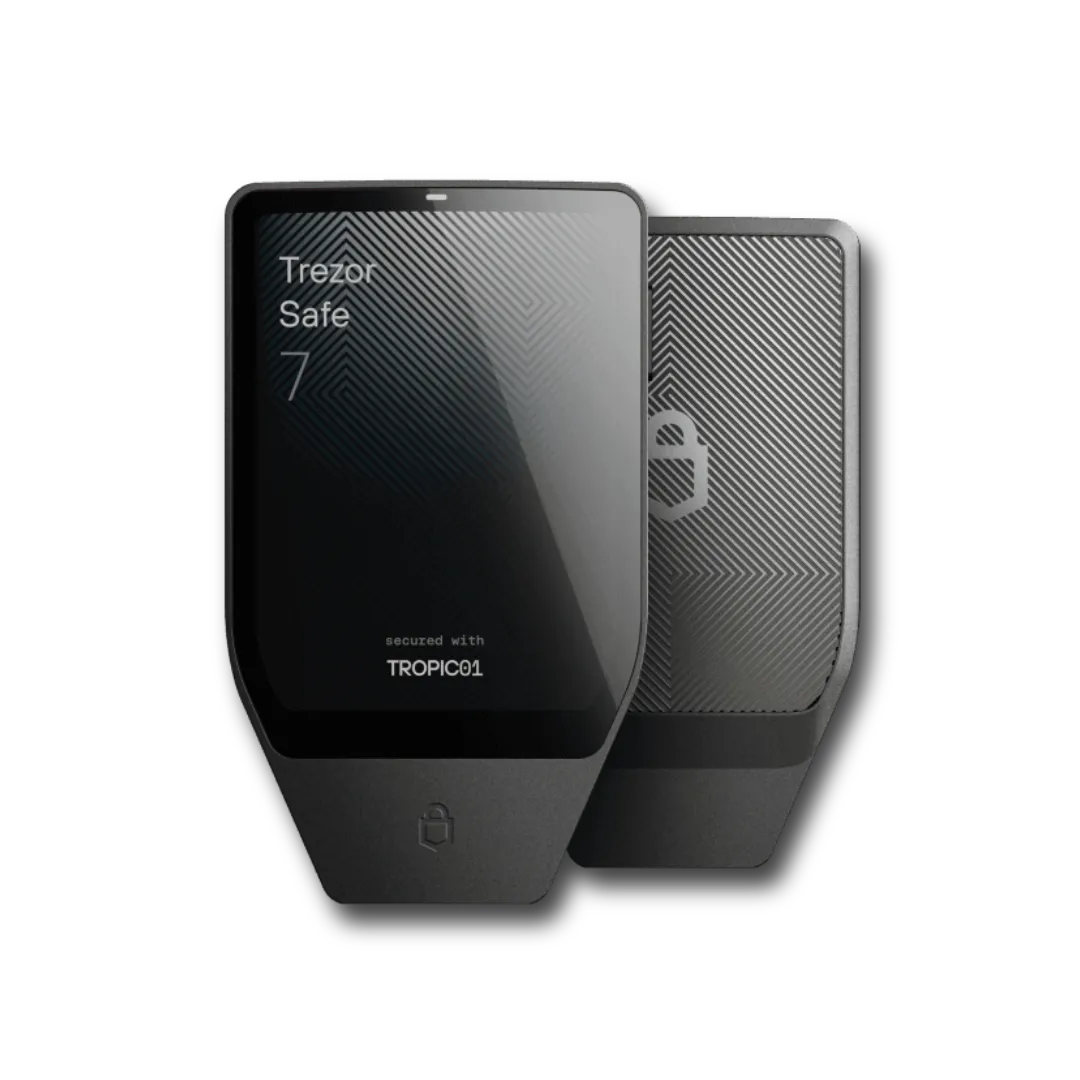
Best suited for security-conscious crypto investors, long-term holders, and active self-custody users.
- Quantum-ready Protections
- Auditable Chip

Best Suited For mobile-first crypto investors, active DeFi users, NFT collectors, and beginners.
- Multi-Chain Support
- Self-Custody Sovereignty
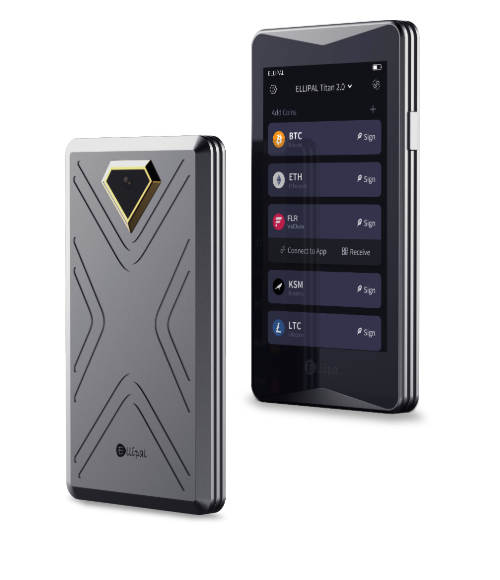
Best for long-term crypto holders, investors managing diversified portfolios, and security-focused users.
- Air-gapped Security
- QR-code Signing
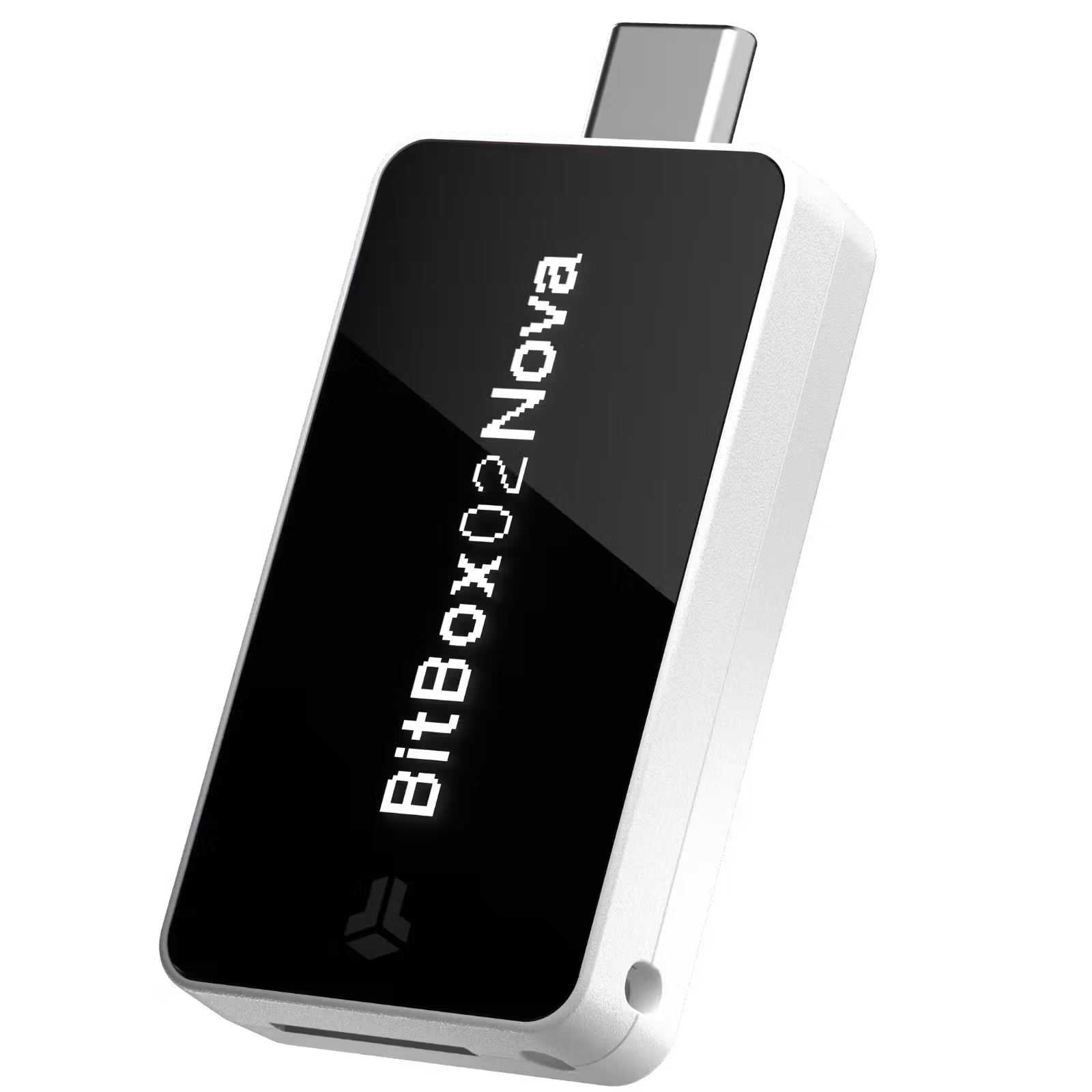
Security-conscious Bitcoin holders, long-term crypto investors, and privacy-focused users who want open-source protection.
- Dual-Chip Security
- Encrypted Bluetooth
Wallet Directory
9 wallets
Best suited for security-conscious crypto investors, long-term holders, and active self-custody users.
- Quantum-ready Protections
- Auditable Chip
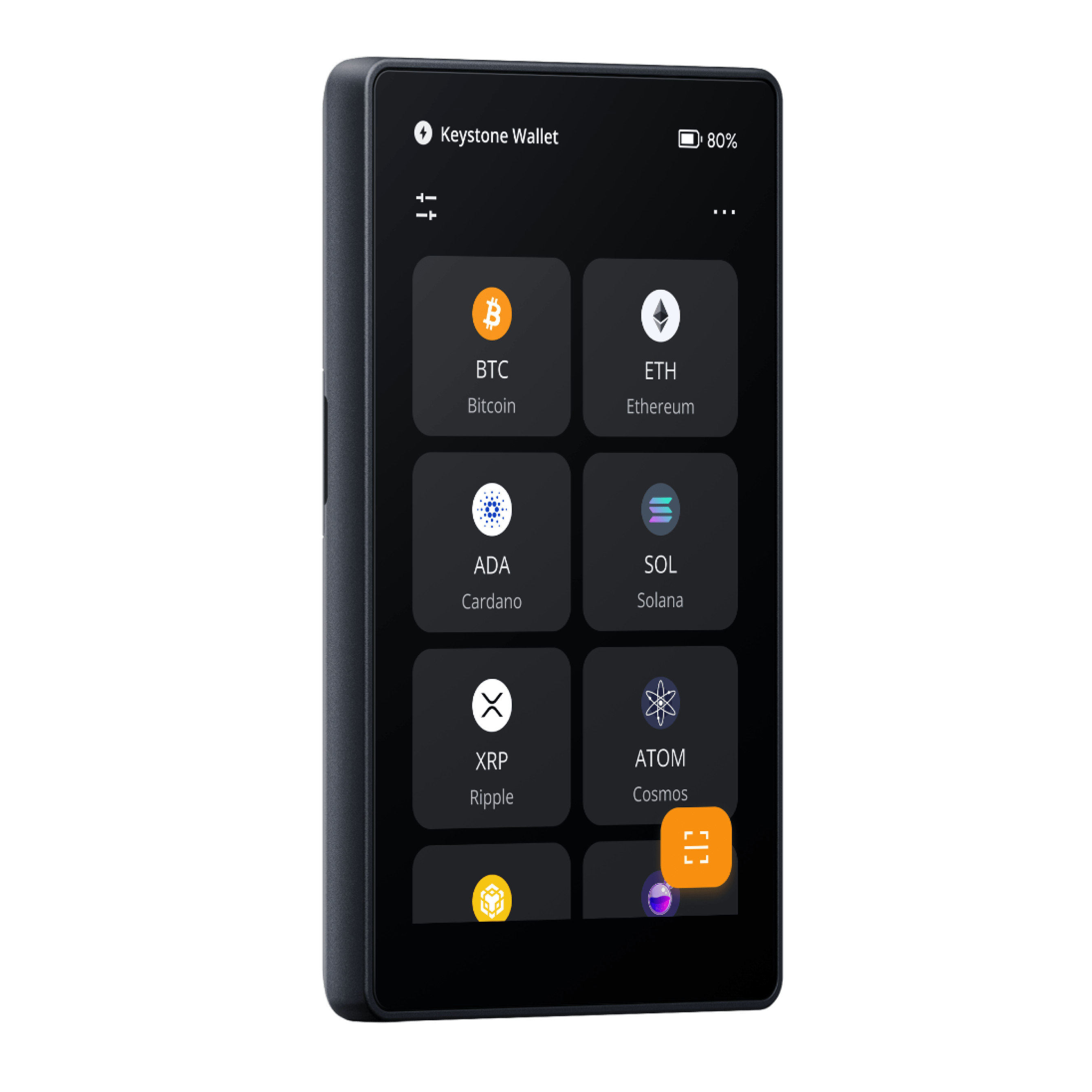
Strongest for self-custody users who hold assets across several networks and want offline transaction approval without abandoning established software wallets.
- Air-gapped Security
- Triple Chips
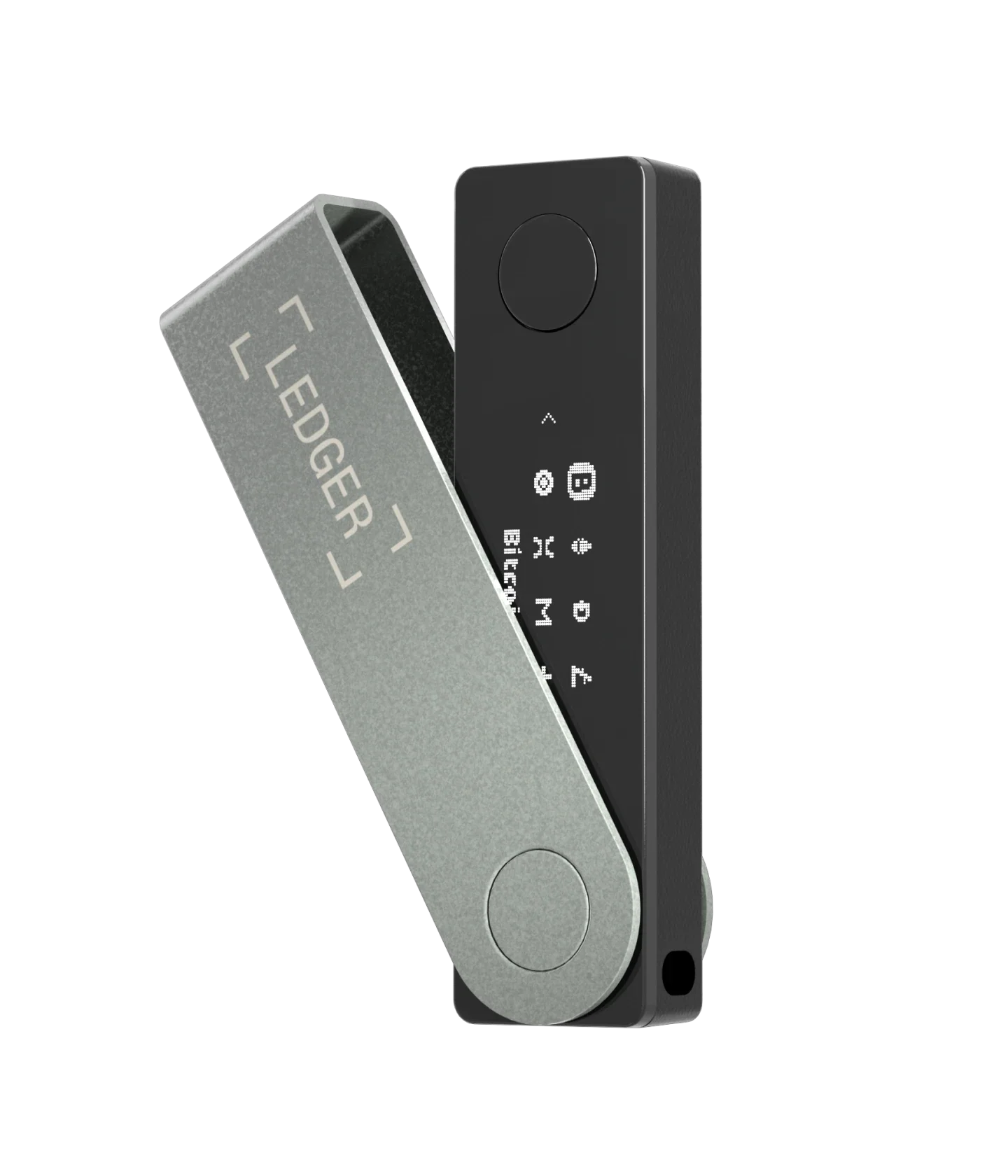
Best For crypto investors managing diversified portfolios, mobile-first users, and everyday self-custody enthusiasts.
- Bluetooth Connectivity
- Secure Element
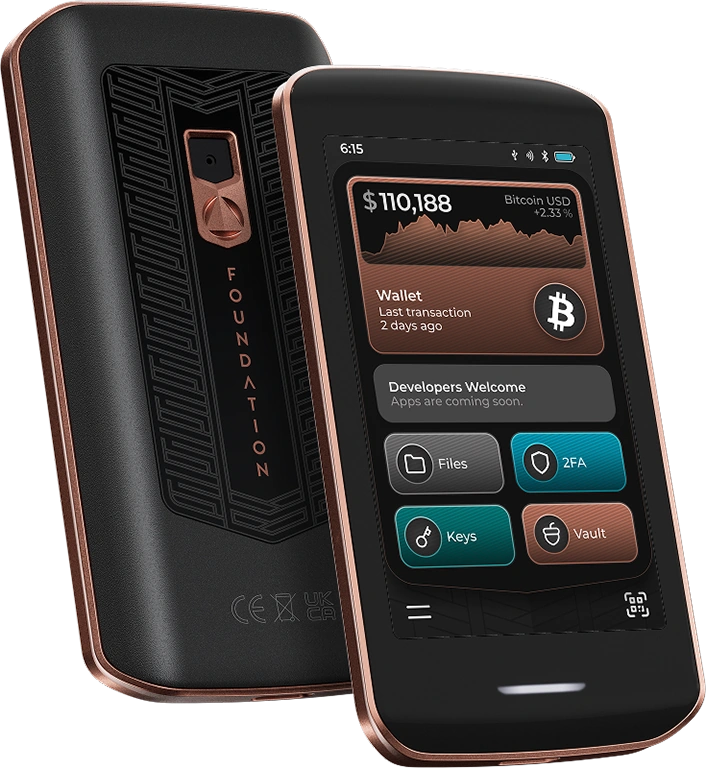
Best suited for security-focused Bitcoin holders, privacy-conscious users, and tech enthusiasts.
- Human Authority
- QuantumLink Encryption
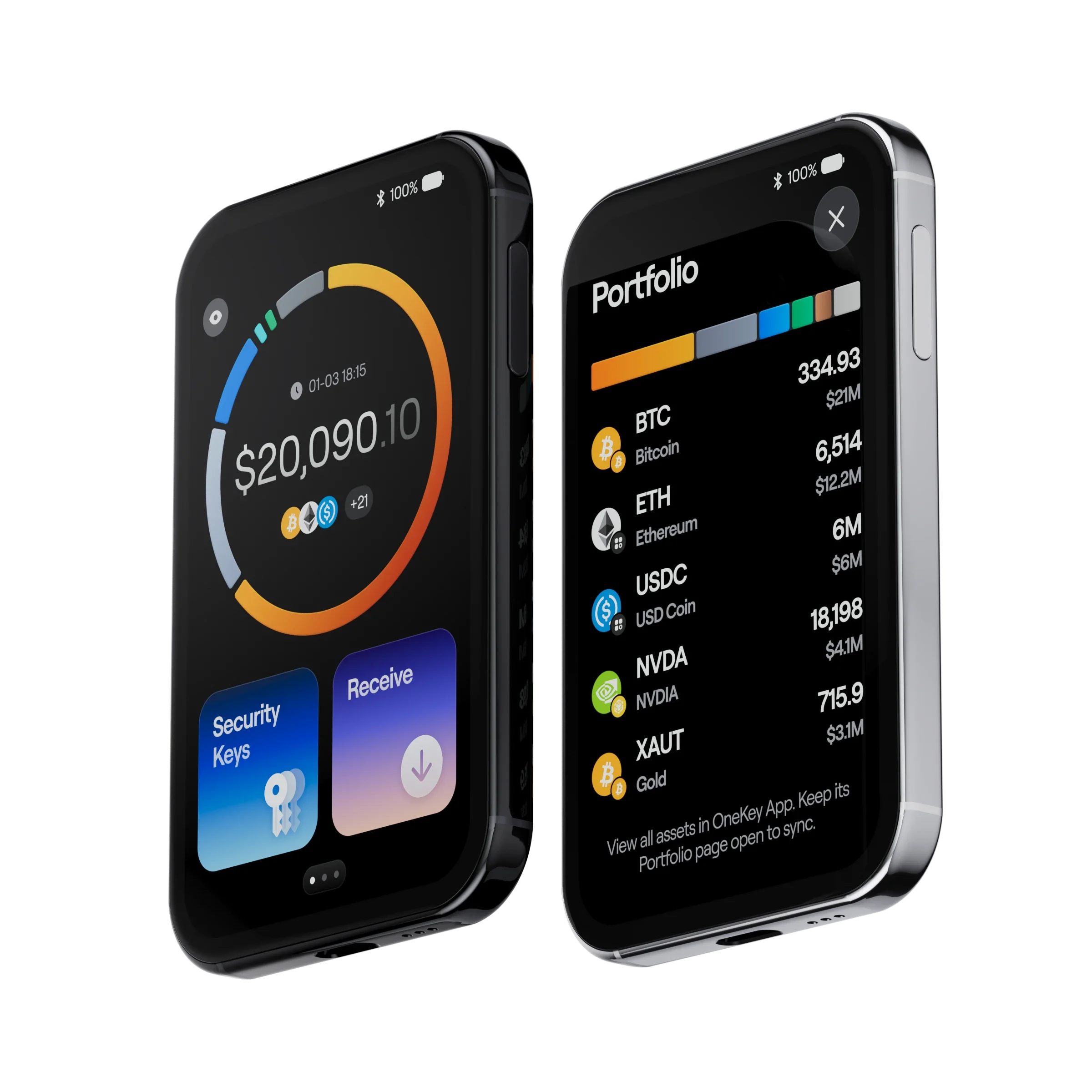
Best for security-conscious multi-chain investors, active Web3 users, and experienced cryptocurrency holders.
- Portfolio Display
- Quad Secure
Best Suited For mobile-first crypto investors, active DeFi users, NFT collectors, and beginners.
- Multi-Chain Support
- Self-Custody Sovereignty
Best for long-term crypto holders, investors managing diversified portfolios, and security-focused users.
- Air-gapped Security
- QR-code Signing
Security-conscious Bitcoin holders, long-term crypto investors, and privacy-focused users who want open-source protection.
- Dual-Chip Security
- Encrypted Bluetooth

Best for beginners, active DeFi users and multi-chain investors seeking convenient cryptocurrency management.
- Multi-Chain Architecture
- Self-Custodial Debit
FAQ
What Is a Crypto Wallet and How Does It Work?
A crypto wallet is an application or physical device that manages the cryptographic keys used to access, send, and receive cryptocurrencies. Bitcoin, Ethereum, and other digital assets remain recorded on their respective blockchains rather than being stored inside the wallet itself. The wallet generates receiving addresses, prepares transactions, and uses private keys to authorize transfers through digital signatures. Depending on the wallet, users can also manage NFTs, swap tokens, stake cryptocurrencies, and connect to decentralized applications. The most important difference between wallets is who controls the private keys and how securely they are protected.
What Is the Difference Between Hot Wallets, Cold Wallets, and Custodial Wallets?
Hot wallets operate on internet-connected devices, including smartphones, computers, and browser extensions, making them convenient for everyday cryptocurrency transactions and DeFi activity. Cold wallets keep private keys isolated from ordinary online environments, typically through dedicated hardware designed for offline transaction signing. Custodial wallets are different because an exchange or service provider controls the private keys on the user's behalf, while non-custodial wallets give users direct control. These classifications describe different aspects of wallet security, so a wallet can be both non-custodial and hot. Choosing between them depends on transaction frequency, asset value, and the level of personal responsibility a user is prepared to manage.
What Is the Safest Crypto Wallet for Long-Term Storage?
A reputable hardware wallet is generally one of the safest options for long-term cryptocurrency storage because it keeps private keys isolated from ordinary internet-connected devices. Strong hardware wallets incorporate secure chips, PIN protection, trusted transaction displays, and carefully designed recovery mechanisms. However, security also depends on the manufacturer's track record, firmware integrity, and the owner's handling of recovery information. Air-gapped wallets provide additional isolation by signing transactions without direct USB or wireless data connections, although they are not automatically immune to malicious transaction approvals or physical attacks. For substantial holdings, hardware-backed signing combined with secure offline backups offers stronger protection than relying exclusively on a software wallet.
Can One Crypto Wallet Store Bitcoin, Ethereum, Solana, and Other Cryptocurrencies?
Yes, many multi-chain crypto wallets support Bitcoin, Ethereum, Solana, XRP, stablecoins, and thousands of additional tokens through a single application or hardware device. However, supported cryptocurrencies remain on their original blockchains, each with different address formats, transaction fees, and network requirements. A wallet supporting Ethereum does not necessarily support every Ethereum-compatible network or token standard. Similarly, USDT and USDC can exist across multiple blockchains, making correct network selection essential when transferring funds. Before choosing a wallet, investors should confirm support for their specific assets, networks, and required features, including staking, NFT management, and decentralized applications.
What Happens If You Lose Your Crypto Wallet or Recovery Phrase?
Losing a phone, computer, or hardware wallet does not necessarily mean losing cryptocurrency because the assets remain on the blockchain. With a conventional self-custody wallet, users can generally restore access on another compatible device using their recovery phrase and any required passphrase. However, losing the recovery information without another valid recovery method can permanently prevent access to funds. If someone else obtains the recovery phrase, they may be able to restore the wallet and transfer its assets without possessing the original device. Custodial wallets operate differently because account recovery depends on the provider's policies and verification procedures. Secure, independently accessible backups are therefore essential for non-custodial cryptocurrency storage.
Are Crypto Wallets Free, and What Fees Do They Charge?
Most software crypto wallets are free to download and do not charge users simply for creating an account, receiving cryptocurrency, or holding digital assets. Hardware wallets require an upfront purchase, with prices varying according to security features, display technology, and supported networks. Sending cryptocurrency generally involves blockchain transaction fees, which depend on network activity and the transaction being performed. Token swaps, bridging, staking services, and fiat purchases may introduce additional provider fees, spreads, or commissions. These charges are not always collected by the wallet developer. Investors should compare total transaction costs, supported networks, and available services rather than assuming a free wallet makes every cryptocurrency operation free.

Best Bitcoin-only Wallets
The best Bitcoin-only hardware wallets prioritize secure BTC storage, open-source transparency, reliable recovery options, and a streamlined signing experience.
Best suited for security-conscious crypto investors, long-term holders, and active self-custody users.
- Quantum-ready Protections
- Auditable Chip
Strongest for self-custody users who hold assets across several networks and want offline transaction approval without abandoning established software wallets.
- Air-gapped Security
- Triple Chips
Best suited for security-focused Bitcoin holders, privacy-conscious users, and tech enthusiasts.
- Human Authority
- QuantumLink Encryption
Best for long-term crypto holders, investors managing diversified portfolios, and security-focused users.
- Air-gapped Security
- QR-code Signing
Best Wallets For Beginners
Best For crypto investors managing diversified portfolios, mobile-first users, and everyday self-custody enthusiasts.
- Bluetooth Connectivity
- Secure Element
Best for beginners, active DeFi users and multi-chain investors seeking convenient cryptocurrency management.
- Multi-Chain Architecture
- Self-Custodial Debit
Best for security-conscious multi-chain investors, active Web3 users, and experienced cryptocurrency holders.
- Portfolio Display
- Quad Secure
Best Suited For mobile-first crypto investors, active DeFi users, NFT collectors, and beginners.
- Multi-Chain Support
- Self-Custody Sovereignty
Comparison table
Compare Our top picks
|
1
Trezor Safe 7
9 - Excellent
|
Best suited for security-conscious crypto investors, long-term holders, and active self-custody users. |
|
Visit Website Read Review | |
|
2
Ledger Nano X
8.8 - Great
|
Best For crypto investors managing diversified portfolios, mobile-first users, and everyday self-custody enthusiasts. |
|
Visit Website Read Review | |
|
3
Passport Prime
8.3 - Great
|
Best suited for security-focused Bitcoin holders, privacy-conscious users, and tech enthusiasts. |
|
Visit Website Read Review | |
|
4
Bitbox02 Nova
8.4 - Great
|
Security-conscious Bitcoin holders, long-term crypto investors, and privacy-focused users who want open-source protection. |
|
Visit Website Read Review | |
|
5
Ellipal Titan 2.0
8.5 - Great
|
Best for long-term crypto holders, investors managing diversified portfolios, and security-focused users. |
|
Visit Website Read Review | |
|
6
Trust Wallet
8.9 - Great
|
Best Suited For mobile-first crypto investors, active DeFi users, NFT collectors, and beginners. |
|
Visit Website Read Review |
New to Wallets?
Never used a crypto exchange before? Start here. Our beginner guides walk you through everything from creating your first account to making your first trade safely.

Ranking Criteria
Every product is evaluated against five core criteria, weighted according to their importance. Our ratings reflect security, functionality, reliability, usability, and value. Commercial partnerships never influence editorial scores, and sponsored placements are clearly identified.

 Security & Trust
We evaluate security measures, independent audits, transparency, regulatory compliance where applicable, and historical incidents. Products with serious vulnerabilities, questionable practices, or unresolved security concerns receive lower scores.
 Features
We assess the quality, usefulness, and range of available features, including supported assets, networks, and integrations where relevant. Products score higher when their functionality delivers meaningful benefits rather than unnecessary complexity.
 Performance
We examine operational stability, accuracy, execution quality, service consistency, and technical performance. Frequent failures, unreliable data, poor maintenance, or unresolved issues negatively affect ratings.
 User Experience
We evaluate ease of use, onboarding, interface design, mobile compatibility, and accessibility. Higher scores reward intuitive products that serve beginners effectively without restricting experienced users.
 Fees & Value
We assess pricing, transaction costs, hidden charges, free features, and overall value. Products score higher when their benefits justify their costs, with free services evaluated against their limitations and trade-offs.
