







 X
 Facebook
 LinkedIn
 Google News
 Telegram
 Instagram
 RSS Feed


Introduction
Ledger Nano X Review 2027: Security, Bluetooth, Supported Coins, and Real-World Value
The Ledger Nano X remains a competitive crypto hardware wallet in 2027, combining a CC EAL5+ certified Secure Element, encrypted Bluetooth connectivity, and support for thousands of cryptocurrencies in a compact, portable design. Originally released in 2019, it continues to appeal to investors managing Bitcoin, Ethereum, Solana, XRP, and diversified token portfolios without the expense of a premium touchscreen wallet. Its integration with Ledger Wallet also provides access to cryptocurrency swaps, staking, and supported decentralized applications across desktop and mobile devices.
The Nano X’s main compromise is its 128 × 64-pixel monochrome OLED display, which relies on two physical buttons for navigation and transaction approval. While effective for straightforward transfers, the limited screen space makes reviewing long addresses, smart contract permissions, and complex DeFi transactions less comfortable than on newer touchscreen devices. Clear transaction verification has become an increasingly important consideration as hardware wallets expand beyond basic cryptocurrency storage.
Security transparency also deserves consideration. Ledger’s operating system is not fully open-source, and its optional Ledger Recover service introduces an identity-based recovery alternative for users who prefer not to rely exclusively on physical backups. Combined with the continuing risks of supply-chain tampering and malicious transaction approvals, these factors make the Nano X’s established security architecture only part of a broader assessment of its suitability for long-term self-custody.
What Is the Ledger Nano X?
The Ledger Nano X is a non-custodial hardware wallet that stores private keys within a certified Secure Element, keeping sensitive signing operations isolated from connected computers and smartphones. Its companion Ledger Wallet application, formerly Ledger Live, manages balances, prepares transactions, and communicates with blockchain networks, while transaction authorization requires physical confirmation on the device.
This architecture allows users to maintain crypto self-custody without exposing private keys to ordinary software wallets. Access can be restored using the recovery phrase if the device is lost or damaged, although protecting that backup and verifying transaction details remain the owner’s responsibility.
The Nano X introduced rechargeable battery power and wireless smartphone connectivity to Ledger’s original compact hardware wallet format. Encrypted Bluetooth enables cable-free transaction signing on iOS and Android, while USB-C supports wired connections and desktop use. Its established software integrations and broad cryptocurrency compatibility remain significant advantages, although newer devices such as the Ledger Nano Gen5, Flex, and Stax offer larger displays and more advanced transaction-verification interfaces.
Design
Ledger Nano X Setup and User Interface
Setting up the Ledger Nano X involves connecting the device to Ledger Wallet on a compatible smartphone or computer, creating a PIN, and generating or restoring a 24-word recovery phrase. New wallets generate recovery words directly on the hardware, which must be recorded and stored offline. Ledger’s built-in genuine-device verification helps confirm that the device can authenticate with Ledger’s security infrastructure, although it does not replace inspecting the packaging and hardware for signs of tampering. Any device supplied with a prewritten recovery phrase should be rejected.
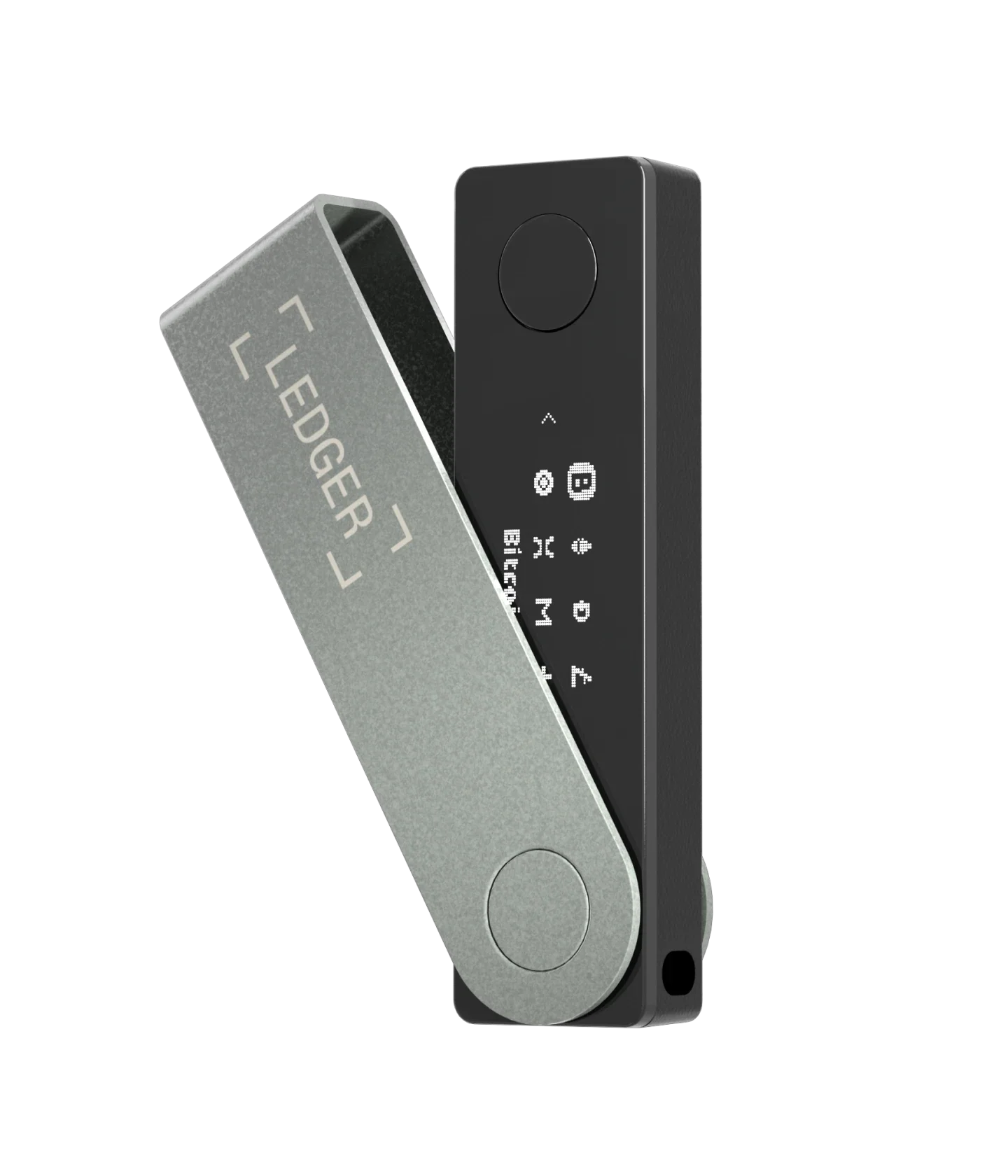
The Nano X features a compact design with a protective stainless-steel swivel cover, a 128 × 64-pixel OLED display, and two physical buttons for navigation and transaction approval. The controls are straightforward for everyday cryptocurrency transfers, but reviewing lengthy wallet addresses, smart contract permissions, and complex DeFi transactions requires navigating multiple screens. Compared with newer touchscreen hardware wallets, the limited display makes detailed transaction verification less comfortable.
Ledger Wallet provides a more comprehensive interface for portfolio tracking, account management, cryptocurrency swaps, staking, and installing supported blockchain applications. Most routine operations are handled through the companion software, while sensitive transactions require confirmation on the Nano X itself. This arrangement works particularly well for mobile cryptocurrency management, although the small hardware display remains a limitation when interpreting complex signing requests that cannot be presented in fully readable form.
Security
Ledger Nano X Security Architecture and Secure Element Protection
The Ledger Nano X uses an ST33J2M0 Secure Element certified to CC EAL5+, providing hardware-level protection for private keys and sensitive cryptographic operations. The chip runs Ledger OS, which isolates cryptocurrency applications, manages transaction signing, and controls the device’s trusted display. Combined with PIN authentication and physical transaction approval, this architecture protects private keys against extraction attempts and prevents malware on a connected computer or smartphone from independently authorizing transactions.
The Secure Element incorporates countermeasures against physical attacks, including fault injection and side-channel analysis. Its CC EAL5+ certification confirms that the chip has undergone security evaluation against a defined set of requirements, although the certification does not extend automatically to every firmware component, wallet integration, or transaction. Protection against key extraction also cannot prevent losses when an owner approves a malicious smart contract or authorizes an incorrect transfer.
Ledger’s security model combines proprietary low-level firmware with open-source components, including cryptocurrency applications, development tools, and portions of Ledger OS. The complete operating system is not publicly auditable, limiting independent verification compared with fully open-source hardware wallets. Ledger addresses part of this limitation through external security evaluations, ongoing firmware development, and vulnerability research conducted by its Donjon security team.
The resulting architecture offers strong hardware isolation and a mature application ecosystem, although users prioritizing independently reproducible firmware must accept a greater degree of manufacturer trust.
Ledger Nano X Supply-Chain Security and Genuine Check Limitations
Hardware wallet security also depends on the physical integrity of the device before its first use. The October 2026 Ledger hardware-implant incident exposed the risks of compromised distribution channels after modified devices linked to reseller CryptoBilis were discovered with unauthorized electronic components capable of capturing sensitive recovery information. Investigators associated the broader incident with substantial cryptocurrency losses, although the exact financial impact remains subject to investigation.
The incident involved physical modifications rather than a demonstrated extraction of private keys from Ledger’s Secure Element. Malicious components placed within a device can intercept information through surrounding hardware, including the display connection, without necessarily compromising the chip responsible for key storage. Such attacks demonstrate how the integrity of the complete device can be undermined even when its core security hardware remains genuine.
Ledger’s Genuine Check uses cryptographic authentication to verify that a device contains a legitimate Secure Element running authenticated software. However, this mechanism cannot reliably detect an unauthorized hardware implant added to a device whose original Secure Element remains intact. The device authentication process verifies the trusted chip rather than providing a comprehensive inspection of every physical component.
Purchasing directly from Ledger or an authorized retailer reduces exposure to compromised distribution channels, while inspecting the enclosure, rejecting preconfigured devices, and completing the official authenticity check provide additional safeguards. Devices with unexplained modifications or a suspicious purchase history should not be initialized or trusted with valuable recovery material. Owners who discover credible evidence of tampering should move funds to a freshly generated wallet using independently trusted hardware rather than simply resetting the potentially compromised device.
Firmware Updates and Transaction Verification
The Ledger Nano X receives firmware updates that maintain device security, improve blockchain compatibility, and refine transaction-signing functionality. Updates should be installed through the official Ledger Wallet application after confirming the device model, current firmware version, and recovery backup. A controlled approach to hardware wallet firmware updates reduces exposure to counterfeit software, fraudulent update prompts, and compatibility problems that can interfere with wallet access.
Transaction verification remains equally important because the Nano X’s Secure Element protects the signing process rather than evaluating every financial consequence of a transaction. Users should compare receiving addresses, transferred amounts, and available fee information directly on the device, particularly when interacting with unfamiliar applications or transferring substantial balances. Its small OLED display can make complex approvals harder to interpret, especially when smart contracts request spending permissions or signatures involving multiple parameters.
Ledger supports readable transaction information where compatible integrations can decode the requested operation, but some interactions still involve blind signing, where the device cannot present the full meaning of a transaction. Approving such requests can authorize harmful contract permissions without exposing the private key itself. The Nano X therefore provides its strongest protection when hardware-based signing is combined with verified software, careful permission management, and transaction details that users can understand before confirming them.
Connectivity
Ledger Nano X Bluetooth, USB-C, and Battery Performance
The Ledger Nano X supports encrypted Bluetooth connectivity for wireless cryptocurrency management through Ledger Wallet on iOS and Android. Transaction data travels between the smartphone and hardware wallet, while private keys remain isolated within the Secure Element. This allows users to manage accounts and authorize transfers without a physical connection, although Bluetooth introduces additional communication components that require ongoing security maintenance. USB-C provides an alternative for desktop connections and compatible Android devices.
Wireless connectivity makes the Nano X particularly convenient for mobile-first investors who regularly manage cryptocurrency away from a computer. Its compact design and rechargeable battery support portable use, while physical transaction confirmation remains necessary regardless of the connection method. Users who prefer wired communication can disable Bluetooth without losing access to the wallet’s core functionality.
The built-in 100 mAh battery is designed for portable operation but introduces a long-term maintenance consideration. Battery capacity gradually declines with age and charging cycles, and the battery is not user-replaceable. However, the Nano X can continue operating through a compatible USB connection if the battery no longer holds a charge, allowing owners to retain access to their cryptocurrency without replacing the device solely because of battery degradation.
Supported Coins
Ledger Nano X Supported Cryptocurrencies and Third-Party Wallets
The Ledger Nano X supports more than 15,000 cryptocurrencies and tokens through Ledger’s extensive software ecosystem, including Bitcoin, Ethereum, Solana, XRP, Litecoin, and major stablecoins. Its broad compatibility makes it particularly attractive for investors holding assets across multiple blockchains, although individual networks and tokens may require dedicated applications or compatible third-party wallets.
Ledger Wallet provides direct management for many popular cryptocurrencies, while integrations with MetaMask, Rabby, Phantom, and Electrum extend functionality to additional networks and decentralized applications. The Nano X can accommodate up to 100 blockchain applications, depending on their size, allowing users to maintain a diversified portfolio without constantly reinstalling software. Removing an application does not affect the underlying assets, which remain accessible through the corresponding recovery keys.
Compatibility varies by network and transaction type, particularly for less common tokens, NFTs, and advanced smart contract interactions. An asset supported through a third-party wallet may not appear directly in Ledger Wallet, while certain operations require software integrations capable of preparing the appropriate transaction. Users should confirm the specific asset, network, and available signing features through Ledger’s supported cryptocurrency directory before transferring funds.
For multi-chain investors, this extensive compatibility remains one of the Nano X’s strongest advantages. Its established third-party ecosystem offers considerably more flexibility than hardware wallets restricted to a single companion application, particularly for users managing both long-term holdings and decentralized finance positions.
Ledger Wallet: Swaps, Staking, and Portfolio Management
Ledger Wallet, formerly Ledger Live, provides a comprehensive interface for managing cryptocurrency portfolios across desktop and mobile devices. Alongside balance tracking, transaction history, and account management, the application integrates cryptocurrency purchases, sales, swaps, staking, and access to supported Web3 services. Users can manage device applications and firmware updates within the same software environment, reducing the need for separate tools during routine portfolio management.
Integrated swaps allow users to exchange supported cryptocurrencies through third-party providers, including cross-chain conversions where available. Transaction costs depend on the selected provider, available liquidity, exchange spreads, and network fees, while certain services impose geographical restrictions or identity verification requirements. Comparing the final amount received is particularly useful because an attractive quoted exchange rate may not reflect the full cost of execution.
Staking functionality is available for selected proof-of-stake cryptocurrencies, including Ethereum and Solana, through supported network and service integrations. Ledger Wallet allows users to manage staking positions and track rewards while retaining control of the signing keys. Actual returns depend on validator performance, network conditions, provider commissions, and applicable lock-up or unbonding rules, with slashing and smart contract risks varying between staking arrangements.
The application also supports decentralized finance activity through compatible wallet integrations, although regular dApp users should consider separating long-term holdings from accounts used for frequent contract interactions. Malicious token approvals and deceptive signatures remain common techniques used by crypto wallet drainers, even when transactions receive physical confirmation on a genuine hardware wallet.
Ledger Wallet’s main advantage is the convenience of managing a diversified portfolio through an established ecosystem of integrated services and third-party applications. Its limitations are primarily associated with external provider fees, varying blockchain compatibility, and the Nano X’s small display, which can make detailed verification of complex transactions less comfortable than on newer touchscreen hardware wallets.
Backup and Recovery
Ledger Nano X Recovery Phrase, Passphrase, and Ledger Recover
The Ledger Nano X generates a 24-word BIP39 recovery phrase during initialization, allowing users to restore their cryptocurrency accounts on another compatible hardware wallet if the original device is lost, damaged, or replaced. These words provide access to the underlying private keys independently of the physical device, making secure seed phrase storage essential for long-term self-custody. Recovery information should remain offline and protected against unauthorized access, as anyone obtaining the complete phrase can potentially reconstruct the wallet without its original PIN.
An optional BIP39 passphrase adds another security layer by creating separate wallet accounts derived from the same recovery phrase. This protects passphrase-secured funds if the 24 recovery words are compromised alone, but it also introduces an additional recovery requirement. Restoring the seed without the exact passphrase will not recreate those protected accounts, making careful backup management particularly important for users holding substantial balances.
Ledger Recover offers an alternative through an optional paid subscription that combines encrypted recovery backups with identity verification. Once activated through explicit device approval, the service encrypts and divides recovery-related secret material into three fragments stored by independent providers. Restoring access requires successful identity verification and the reconstruction of two fragments within a compatible Ledger device. The service does not back up an additional BIP39 passphrase, which must be preserved separately.
Ledger Recover can reduce the risk of permanently losing access when physical backups disappear, although it introduces dependencies on third-party providers, identity verification, subscription terms, and service availability. Privacy-focused users may prefer maintaining complete control through offline backups, while those seeking an additional recovery method may consider the trade-off worthwhile. The service is not activated automatically through firmware updates, allowing Nano X owners to retain a fully self-managed recovery arrangement without subscribing.
Price
Ledger Nano X Price and Value for Money in 2027
At approximately $99, the Ledger Nano X offers excellent value for investors seeking secure cryptocurrency storage without the expense of a premium touchscreen hardware wallet. Its CC EAL5+ certified Secure Element, encrypted Bluetooth connectivity, extensive cryptocurrency support, and established Ledger Wallet ecosystem deliver a strong combination of security and everyday functionality. The ability to manage thousands of assets across desktop and mobile devices makes it particularly cost-effective for diversified portfolios.
The Nano X is especially appealing to mobile-first investors who value portability and convenient transaction signing. However, its small OLED display and two-button interface are less suitable for frequent DeFi interactions and complex smart contract approvals, where larger touchscreens provide a clearer verification experience. Bitcoin-only holders may also find simpler, more transparent alternatives better aligned with their custody needs.
Despite its aging design, the Nano X remains a competitively priced hardware wallet in 2027, particularly for users who prioritize broad asset compatibility, reliable hardware security, and wireless convenience over premium display features.
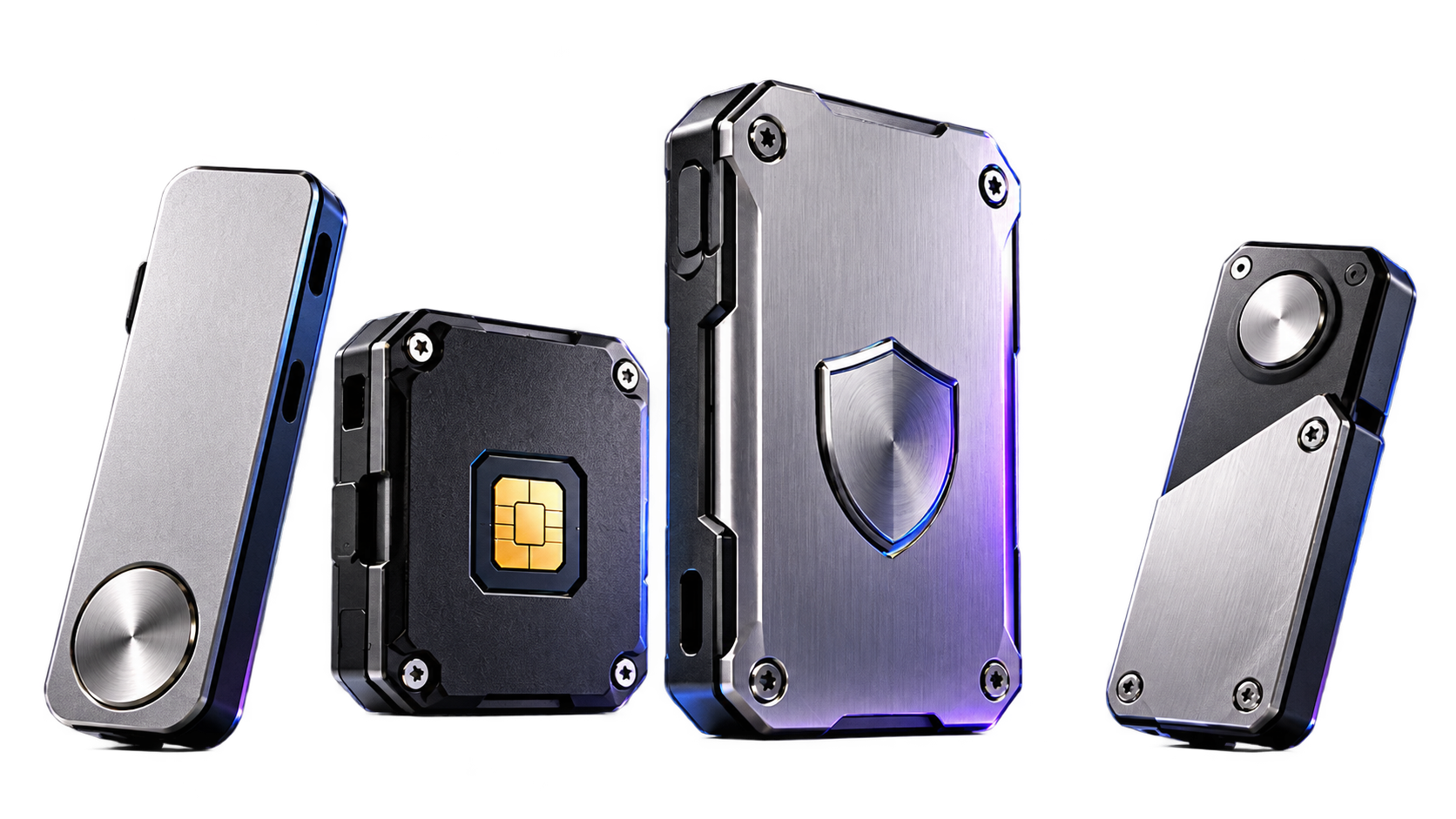
Nano X vs Safe 7, Nova, and Titan
Ledger Nano X vs Trezor Safe 7, BitBox02 Nova, and ELLIPAL Titan 2.0
Ledger Nano X vs Trezor Safe 7
The Trezor Safe 7 offers a more advanced hardware wallet experience, combining a 2.5-inch color touchscreen, dual Secure Elements, open-source firmware, and post-quantum cryptography for critical device security operations. Its larger display makes transaction verification considerably more comfortable than the Nano X’s compact OLED, particularly when reviewing lengthy addresses and smart contract interactions. Both wallets support encrypted Bluetooth and USB-C connectivity, although Trezor adds Qi2 wireless charging and a longer-life LiFePO4 battery.
Security transparency is another difference. Trezor’s auditable firmware and independent hardware protection layers appeal to users who want greater visibility into the underlying security architecture, while Ledger relies on its proprietary operating system and certified Secure Element. The Nano X remains considerably more affordable and portable, with extensive cryptocurrency support and mature third-party integrations. Trezor Safe 7 is better suited to investors prioritizing advanced security features and a premium signing interface, while the Nano X offers stronger value for users who prefer compact hardware and mobile convenience.
Ledger Nano X vs BitBox02 Nova
The BitBox02 Nova emphasizes open-source security, simplified recovery, and a compact design built around a dual-chip architecture with an EAL6+ certified Secure Element. Its glass-covered OLED display uses capacitive touch sensors rather than physical buttons, while microSD backups provide a convenient recovery option. Encrypted Bluetooth enables iPhone and iPad compatibility, with USB-C connections available for desktop and Android devices.
Cryptocurrency support creates a more pronounced difference. Ledger accommodates thousands of assets across numerous blockchains, whereas the BitBox02 Nova Multi Edition concentrates on Bitcoin, Ethereum, Litecoin, Cardano, and supported tokens through native and third-party integrations. A dedicated Bitcoin-only Edition offers reduced firmware functionality for BTC-focused holders, although the firmware editions cannot be switched after purchase. The Nova is particularly attractive to investors prioritizing transparent security and straightforward self-custody, while the Nano X provides greater flexibility for diversified portfolios and users managing assets across multiple networks.
Ledger Nano X vs ELLIPAL Titan 2.0
The ELLIPAL Titan 2.0 takes a different approach to cryptocurrency security through fully air-gapped transaction signing. Instead of communicating through Bluetooth or USB data connections, it exchanges transaction information with its companion mobile app using QR codes. A 4-inch touchscreen, CC EAL5+ secure element, and sealed metal enclosure provide a combination of readable transaction verification and physical tamper resistance.
The Titan 2.0 supports more than 10,000 tokens across over 45 blockchains, making it competitive with Ledger for diversified cryptocurrency storage. Its larger display improves the usability of transaction confirmation, although QR-based signing requires additional steps that can become inconvenient during frequent transfers or DeFi interactions. ELLIPAL’s closed-source firmware and greater dependence on its mobile application also limit flexibility compared with Ledger’s extensive third-party wallet ecosystem. The Nano X is more practical for portable everyday use and frequent transaction signing, while the Titan 2.0 is better suited to long-term holders who prioritize air-gapped security and deliberate offline approval.
Pros & Cons
- Extensive cryptocurrency and third-party wallet compatibility.
- Encrypted Bluetooth gives iPhone and Android users practical mobile signing.
- Certified secure element, on-device approval, and a mature firmware ecosystem.
- Strong feature set for an approximately $99 hardware signer.
- Small monochrome screen makes advanced transaction details difficult to evaluate.
- Ledger OS is not fully open-source, limiting independent verification.
- Non-replaceable battery adds an aging component to long-term storage.
- Genuine Check does not detect every possible hardware implant or supply-chain modification.
Bottom Line
Is the Ledger Nano X Worth Buying in 2027?
The Ledger Nano X earns 8.5/10 for delivering reliable hardware security, extensive cryptocurrency compatibility, and convenient Bluetooth connectivity at an accessible price. Despite its age, the combination of a certified Secure Element, established software integrations, and broad multi-chain support makes it a compelling choice for investors who regularly manage digital assets across desktop and mobile devices.
Its compact OLED display, non-replaceable battery, and partially closed-source security architecture are the main compromises, particularly compared with newer hardware wallets offering larger screens and more transparent firmware. At approximately $99, however, the Nano X remains excellent value for mobile-first investors and diversified crypto holders who prioritize portability and everyday convenience over advanced transaction displays and premium security features.
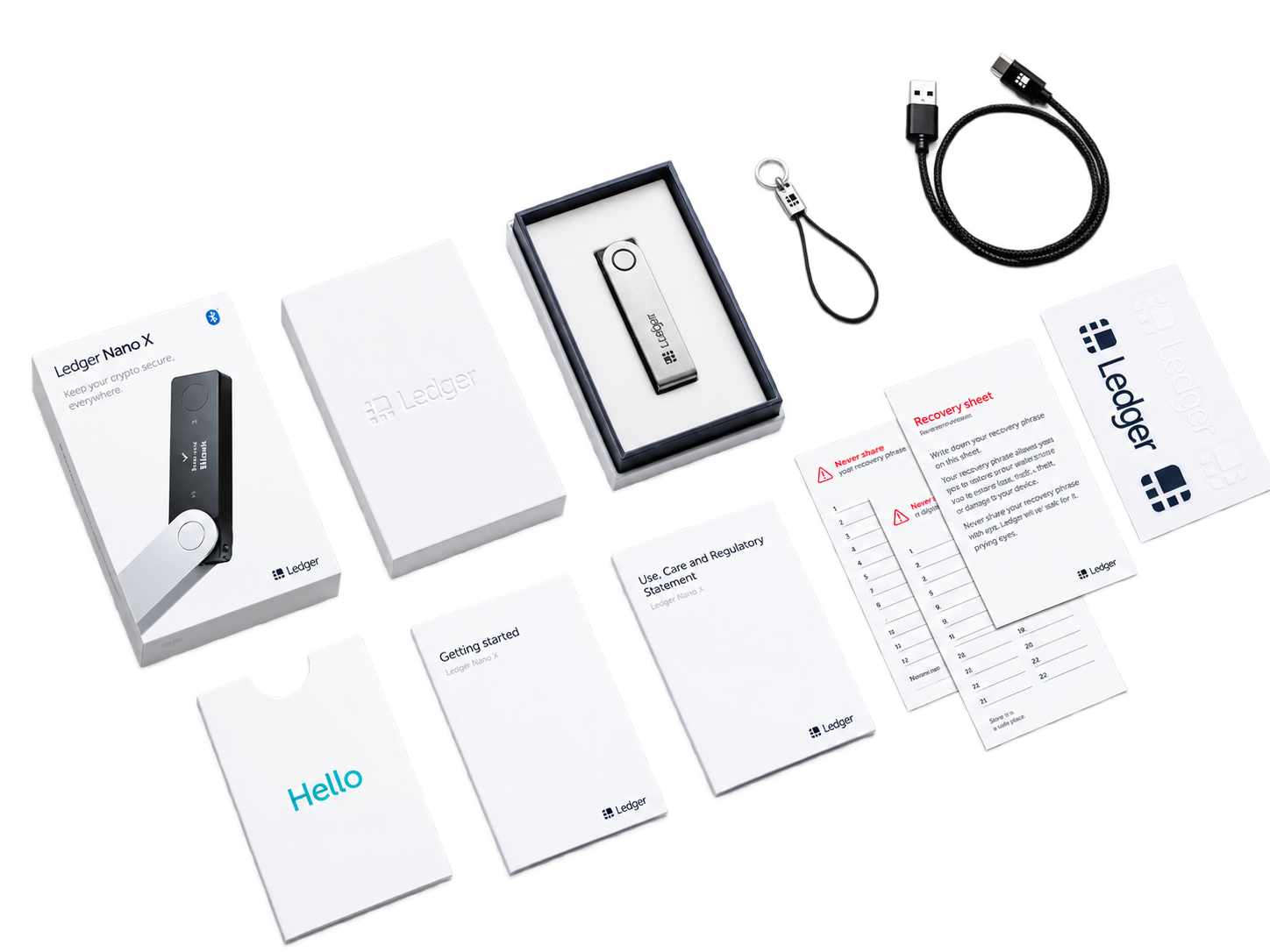
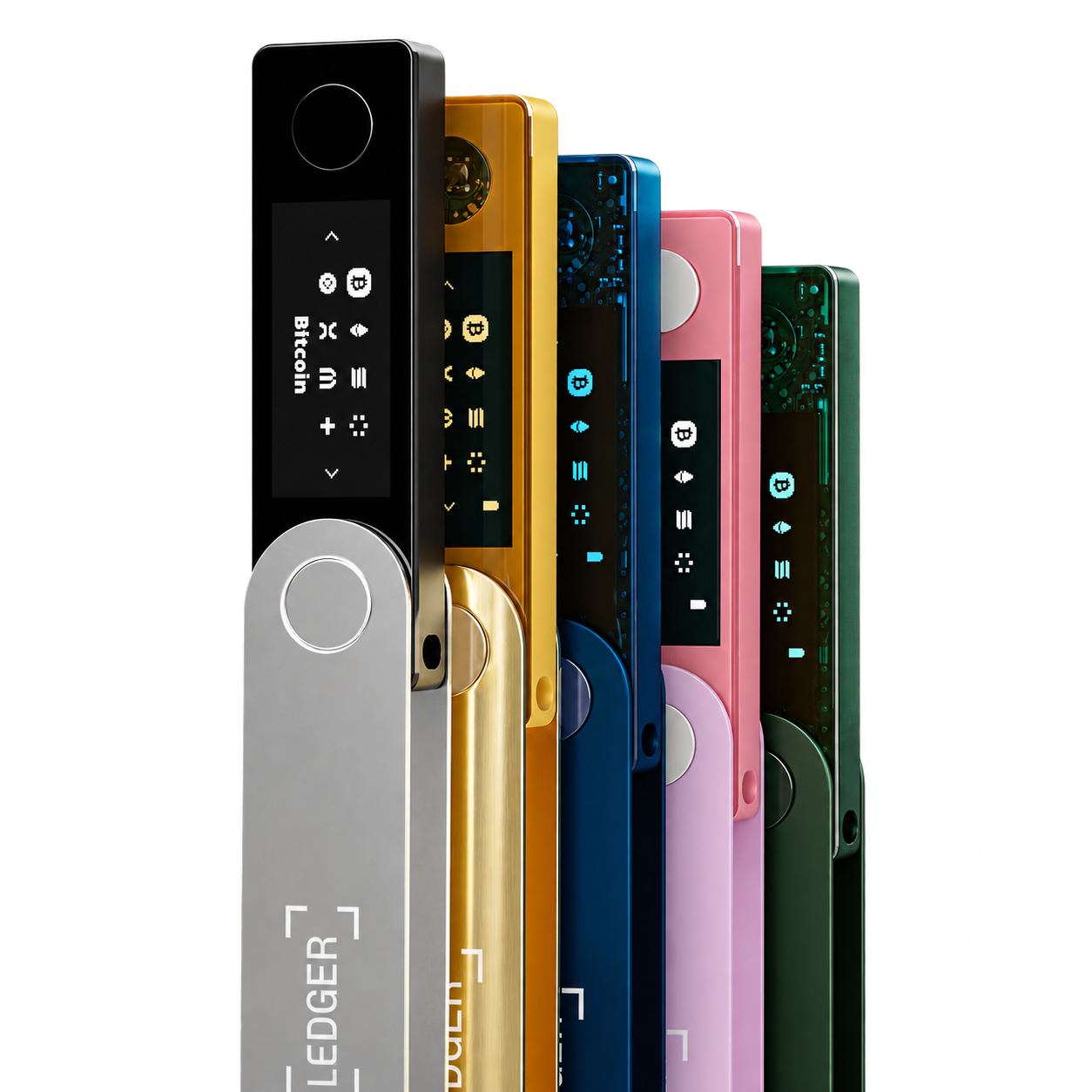
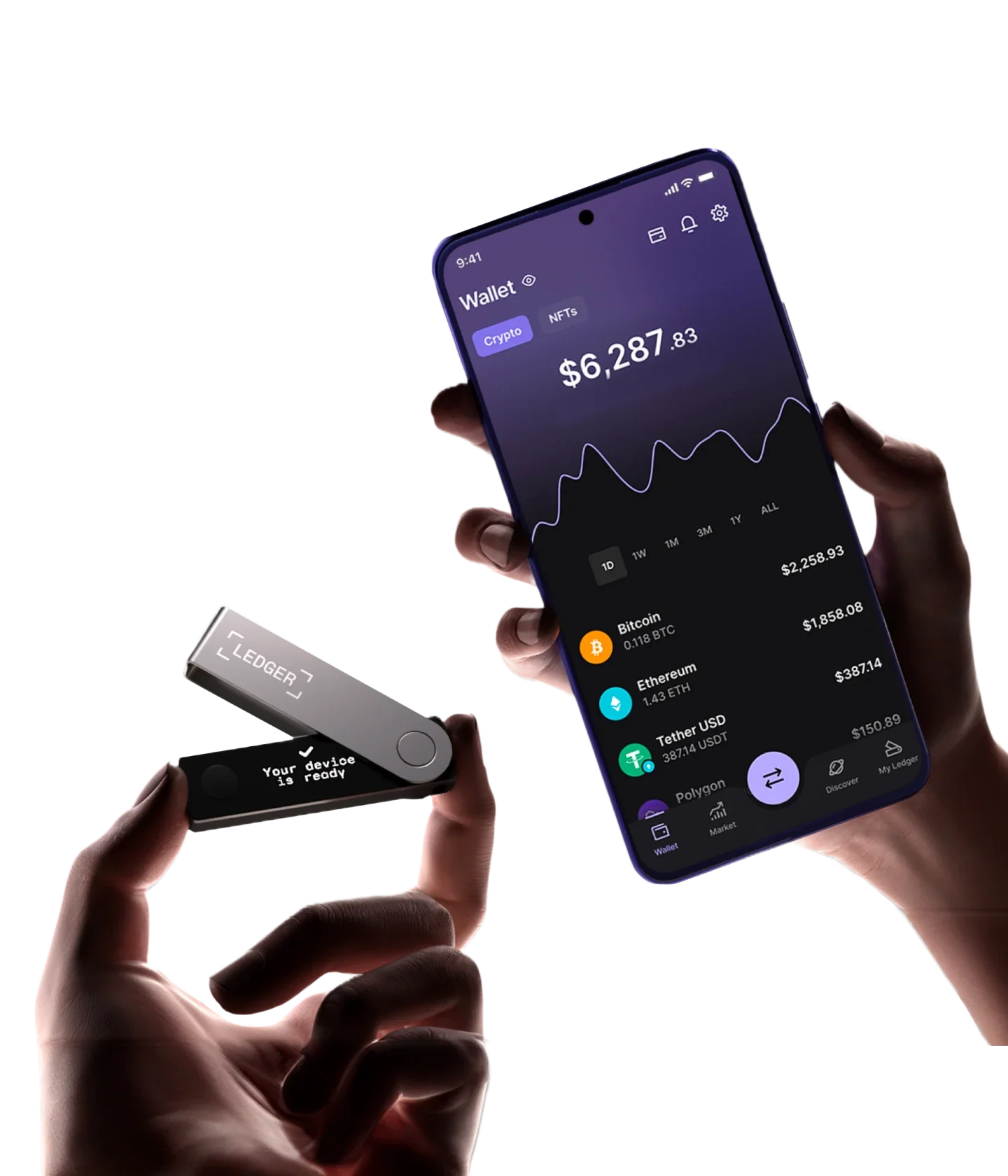
Ledger Nano X Unboxing Kit
FAQs
Is Ledger Nano X still worth buying in 2027?
Yes, for users who want encrypted Bluetooth, broad coin support, and a compact signer at around $99. Buyers expecting a large touchscreen, maximum source-code transparency, or a battery-free vault should consider alternatives.
Can the Ledger Nano X be hacked through Bluetooth?
Bluetooth transports transaction data rather than the private keys, and sensitive approvals still require physical confirmation. A wireless vulnerability is not automatically a seed compromise, although the radio and its software remain part of the device's attack surface.
Does Ledger Nano X support Solana, XRP, and NFTs?
Yes, through supported Ledger apps and compatible wallet integrations. Exact token, NFT, and network workflows vary, so compatibility should be checked for the specific asset and software interface rather than inferred from the overall coin count.
Does Ledger Recover automatically back up my seed phrase?
Ledger Recover is not automatic; it is an optional subscription requiring identity verification and explicit approval on the device before an encrypted fragmented backup is created. Users can keep managing a traditional offline recovery phrase without subscribing.
What happens if the Nano X battery stops charging?
A failing battery does not delete the blockchain assets or the recovery phrase. USB-powered operation may still be possible, and the same wallet can be restored on a compatible device using its properly secured backup.
Can Genuine Check prove my Nano X has never been tampered with?
Genuine Check cannot prove that; it authenticates the genuine secure element but does not comprehensively inspect every hardware component. Purchasing from trusted channels and rejecting physically suspicious devices remain necessary precautions.