






 X
 Facebook
 LinkedIn
 Google News
 Telegram
 Instagram
 RSS Feed



Introduction
MetaMask Wallet Review 2027: Security, Fees, Features, and Alternatives
MetaMask has evolved from an Ethereum-focused browser extension into a comprehensive self-custodial cryptocurrency wallet supporting Bitcoin, Solana, TRON, and numerous EVM-compatible networks. Its functionality now extends well beyond sending tokens and connecting to decentralized applications, with integrated swaps, cross-chain bridging, staking, leveraged trading, and payment services. This expansion allows users to manage a wider range of cryptocurrency activities through one interface while maintaining direct control over their wallet credentials.
The broader functionality has strengthened MetaMask’s position as an everyday Web3 wallet, particularly for investors managing assets across multiple blockchain ecosystems. However, its growing collection of trading and financial services also introduces additional considerations. Swaps, bridging, staking, and leveraged positions involve different fee structures, third-party providers, and risks that extend beyond ordinary wallet transactions. MetaMask’s extensive decentralized application compatibility is a significant advantage, but it does not guarantee that every connected platform, smart contract, or transaction is secure.
For active cryptocurrency users, MetaMask offers an appealing balance of accessibility, blockchain compatibility, and self-custody. Its strongest advantages remain convenient access to decentralized finance, familiar transaction-signing workflows, and integration with compatible hardware wallets. Whether it represents the best choice depends on how frequently users interact with Web3 applications, which networks they use, and whether its integrated services justify their associated costs compared with alternative wallets.
MetaMask Overview
| Category | MetaMask Wallet |
|---|---|
| Launched | 2016 |
| Developer | MetaMask, formerly part of Consensys; separate consumer-focused business since September 2026 |
| Wallet type | Self-custodial software wallet |
| Platforms | Browser extension and iOS/Android applications |
| Core networks | Ethereum and EVM chains, native Bitcoin, Solana, and TRON |
| Main functions | Send, receive, dApps, swaps, bridging, staking, perps, NFTs, and eligible spending services |
| Wallet price | Free to install and use |
| Built-in swap fee | 0.875% MetaMask fee, excluding applicable network and third-party costs |
| Pooled ETH staking fee | 15% of staking rewards |
| Hardware wallet integration | Supported, with compatibility varying by device and platform |
| Identity verification | Not generally required to create a standard self-custodial wallet; third-party or regional services may require it |
| CryptoAdventure rating | 8.6/10 |
How Does MetaMask Work?
MetaMask is a non-custodial cryptocurrency wallet that allows users to manage blockchain accounts and authorize transactions without depositing their assets with a centralized exchange. Private keys are protected within the wallet’s software environment, while cryptocurrency balances and transaction records remain on their respective blockchains. Users can receive and transfer assets, interact with smart contracts, connect to decentralized applications, and approve transactions directly through the browser extension or mobile application.
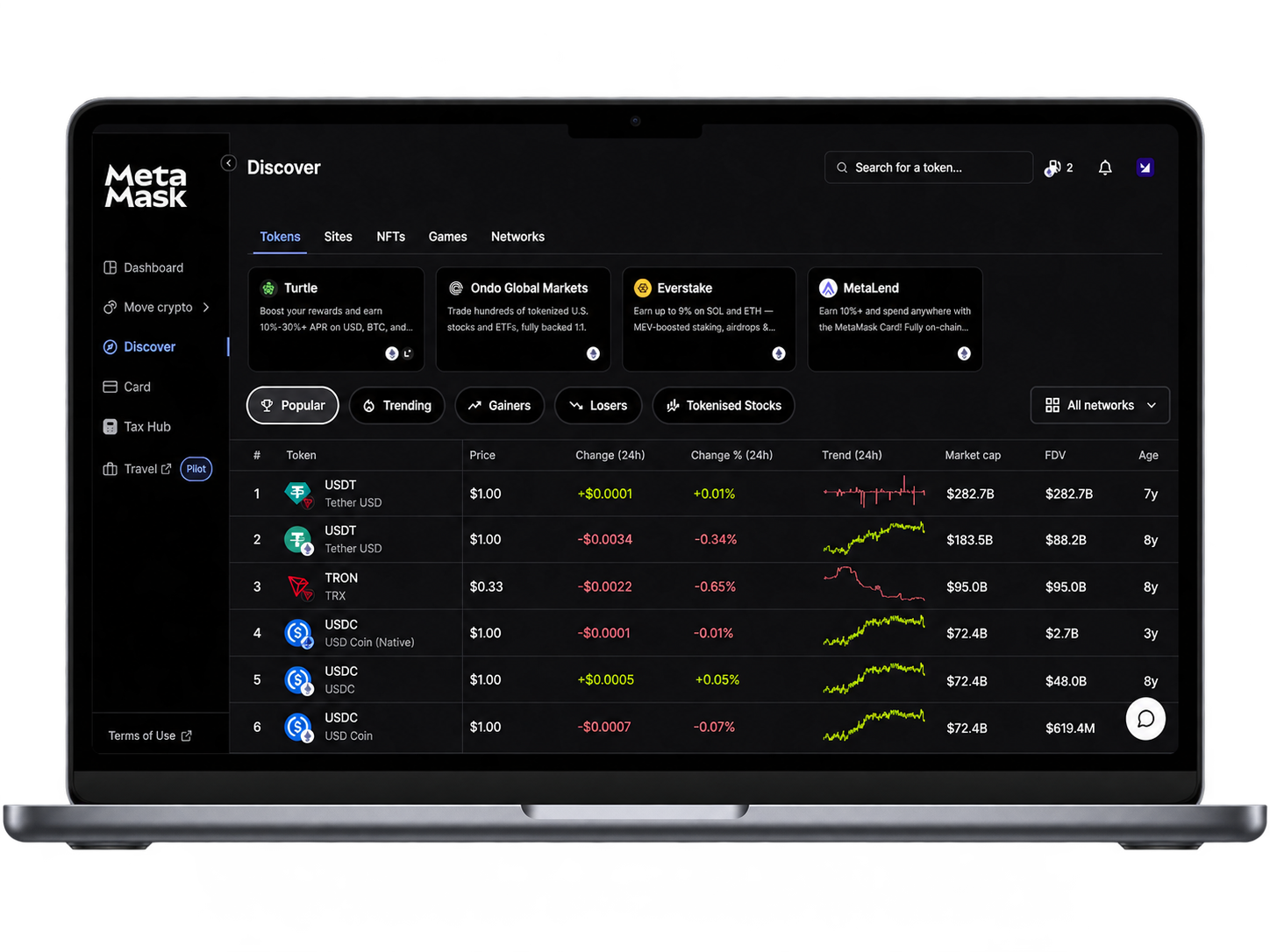
Its strongest advantage is the extensive ecosystem of decentralized applications built around MetaMask-compatible wallet connections. Ethereum and other EVM networks have long supported its signing and account-management workflows, making it particularly convenient for decentralized exchanges, lending platforms, NFT marketplaces, blockchain games, and governance applications. Desktop users can connect to multiple services through the browser extension, while the mobile application provides access to supported Web3 functionality without requiring a separate desktop environment.
MetaMask’s expansion into native Bitcoin, Solana, and TRON support also reduces the need to maintain separate software wallets for several major blockchain ecosystems. Users can manage supported native assets, including BTC, SOL, and TRX, alongside Ethereum-based tokens, rather than relying exclusively on wrapped representations or switching applications for basic wallet operations. However, transaction capabilities, application integrations, and available services differ between networks, so users should verify support for their intended activities rather than assuming every MetaMask feature works identically across all blockchains.
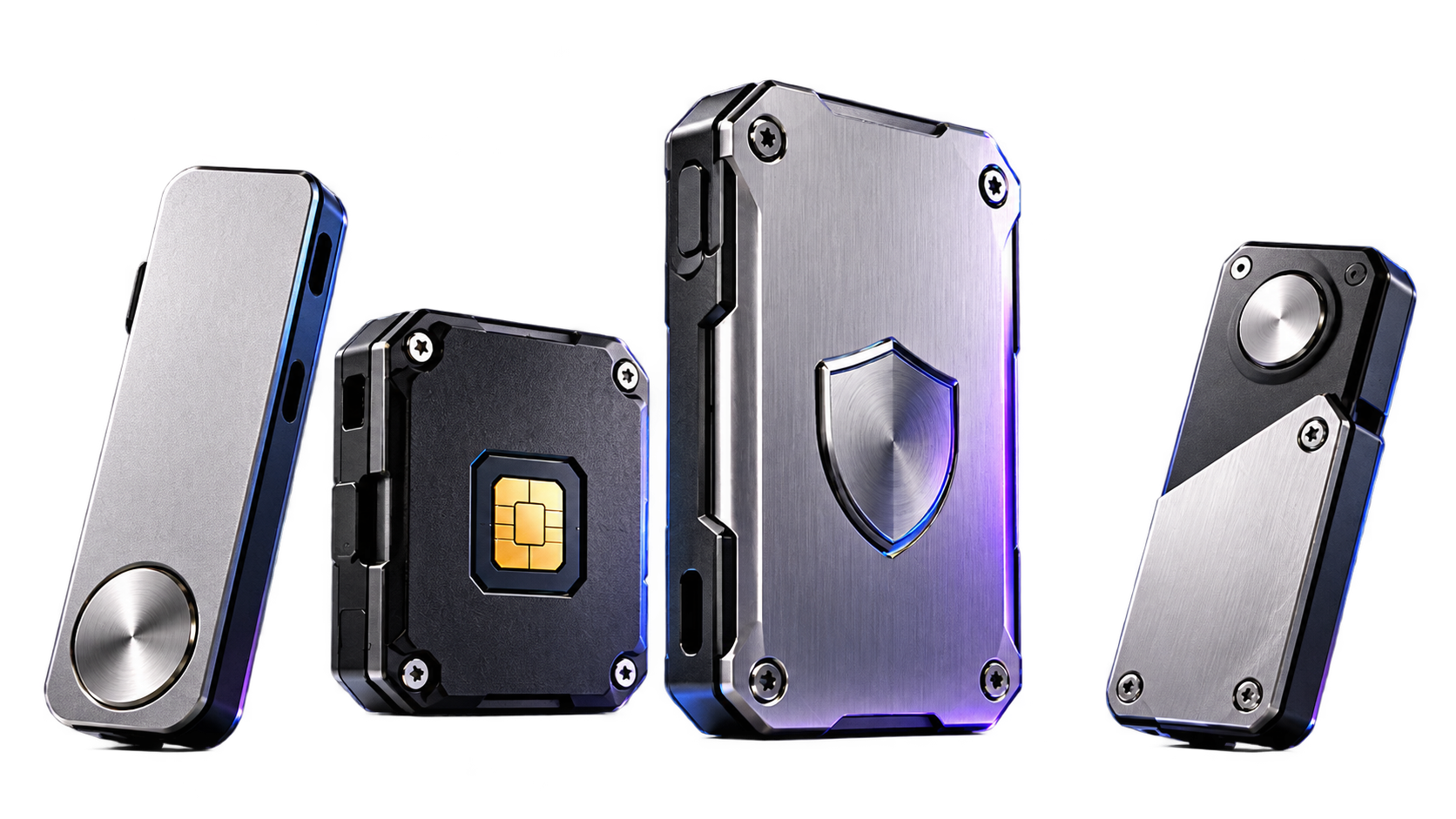
Despite these improvements, MetaMask remains a hot wallet, with software operating on an internet-connected computer or smartphone. Its security depends partly on the integrity of that device, the protection of recovery information, and the user’s ability to recognize suspicious transactions. This makes it practical for frequent cryptocurrency activity but less suitable as the sole security layer for substantial long-term holdings. The differences between hot wallets and cold wallets become particularly relevant as portfolio values increase, while compatible hardware wallet integration allows users to retain MetaMask’s interface without keeping their signing keys exclusively within the software environment.
Who Is MetaMask Best Suited For?
MetaMask is best suited to active cryptocurrency investors, DeFi participants, NFT users, and developers who regularly interact with decentralized applications across Ethereum and other supported blockchain networks. Its combination of native multi-chain asset management, extensive Web3 compatibility, and integrated financial services makes it particularly useful for users who want to manage everyday cryptocurrency activity through a familiar interface. However, investors primarily seeking inexpensive long-term storage may find simpler alternatives more appropriate, while those maintaining substantial balances should consider compatible hardware signing and carefully separate their everyday transaction funds from longer-term holdings.
Interface & UI
Interface, Setup, and Everyday Usability
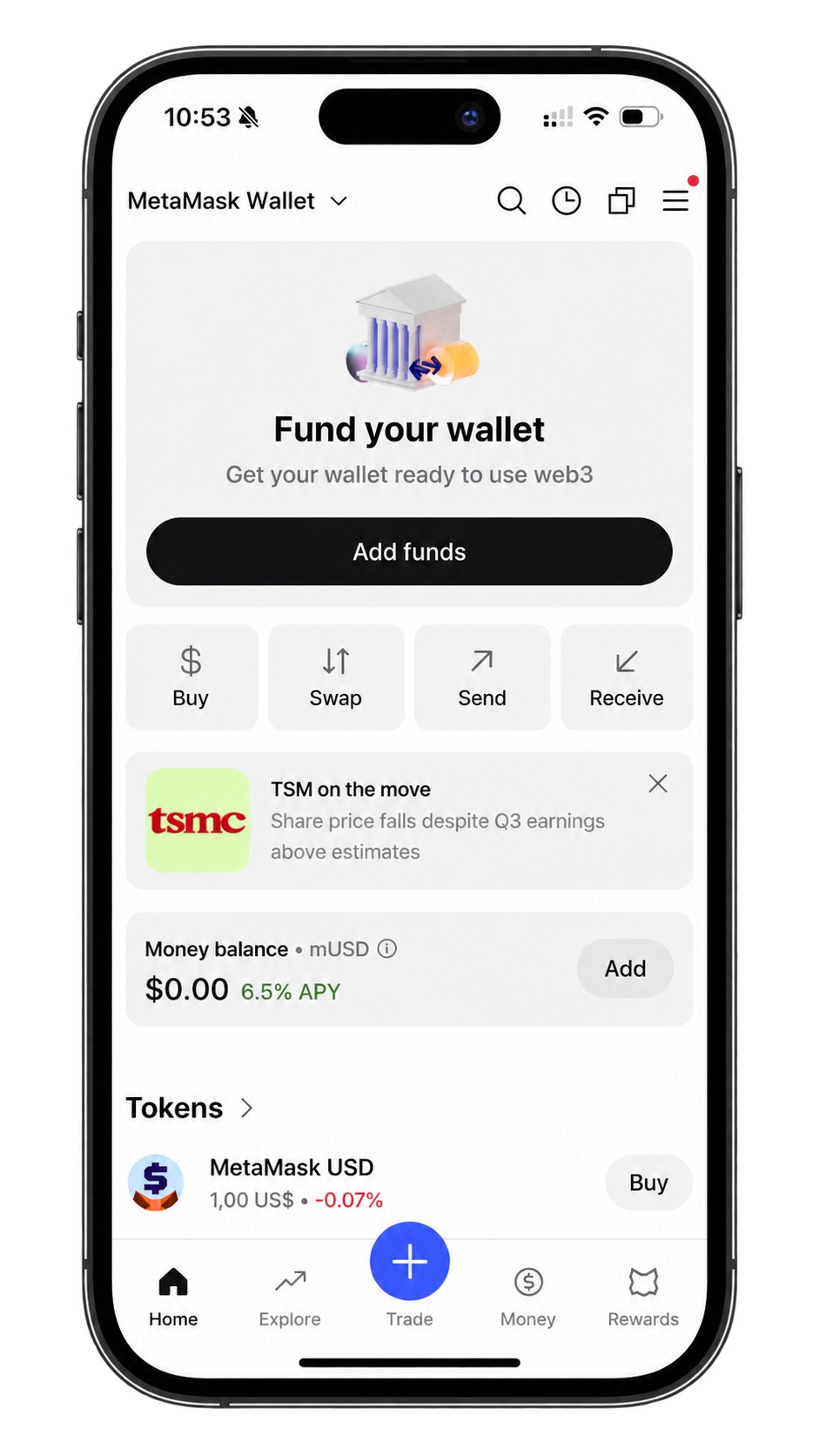
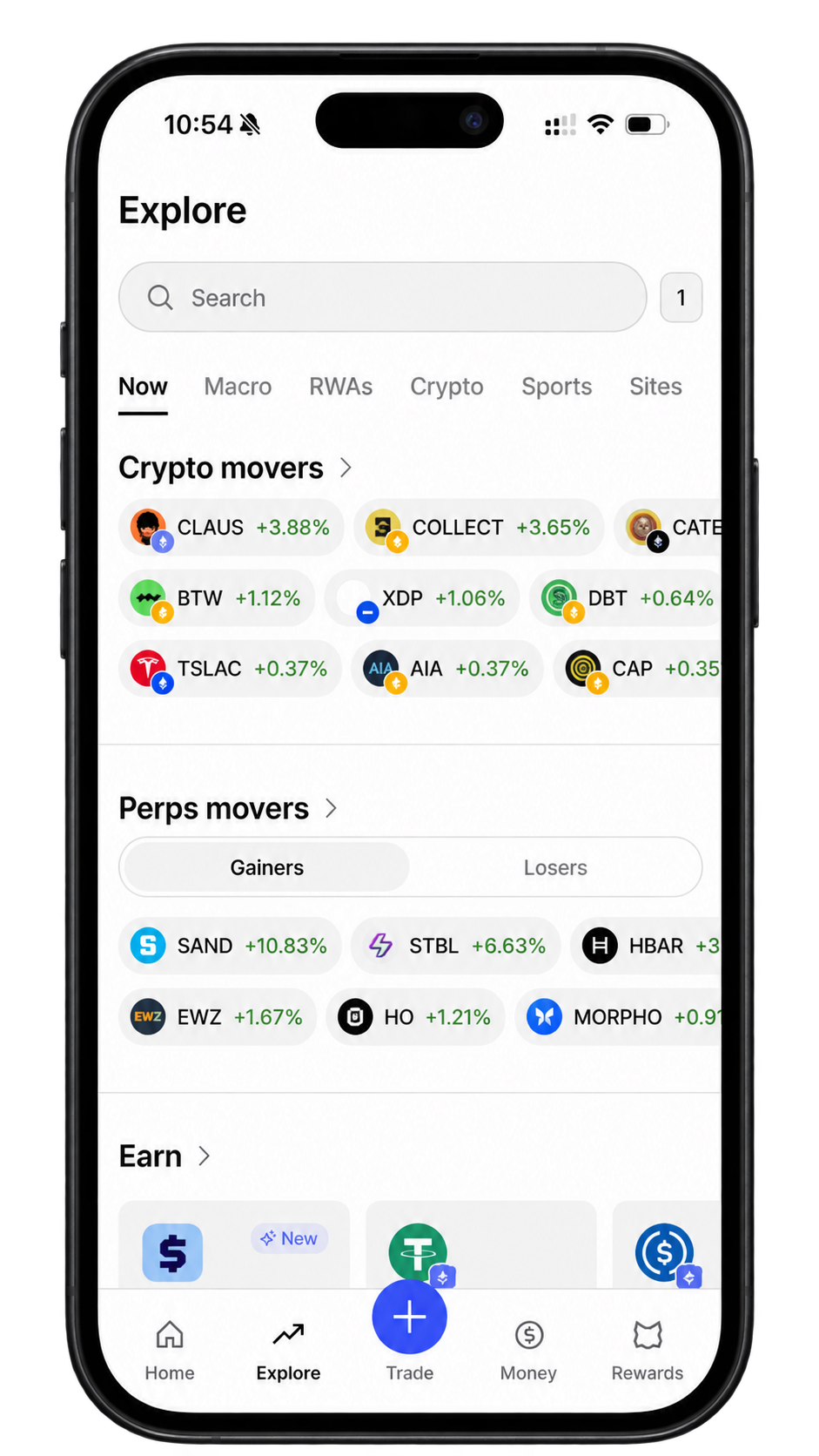
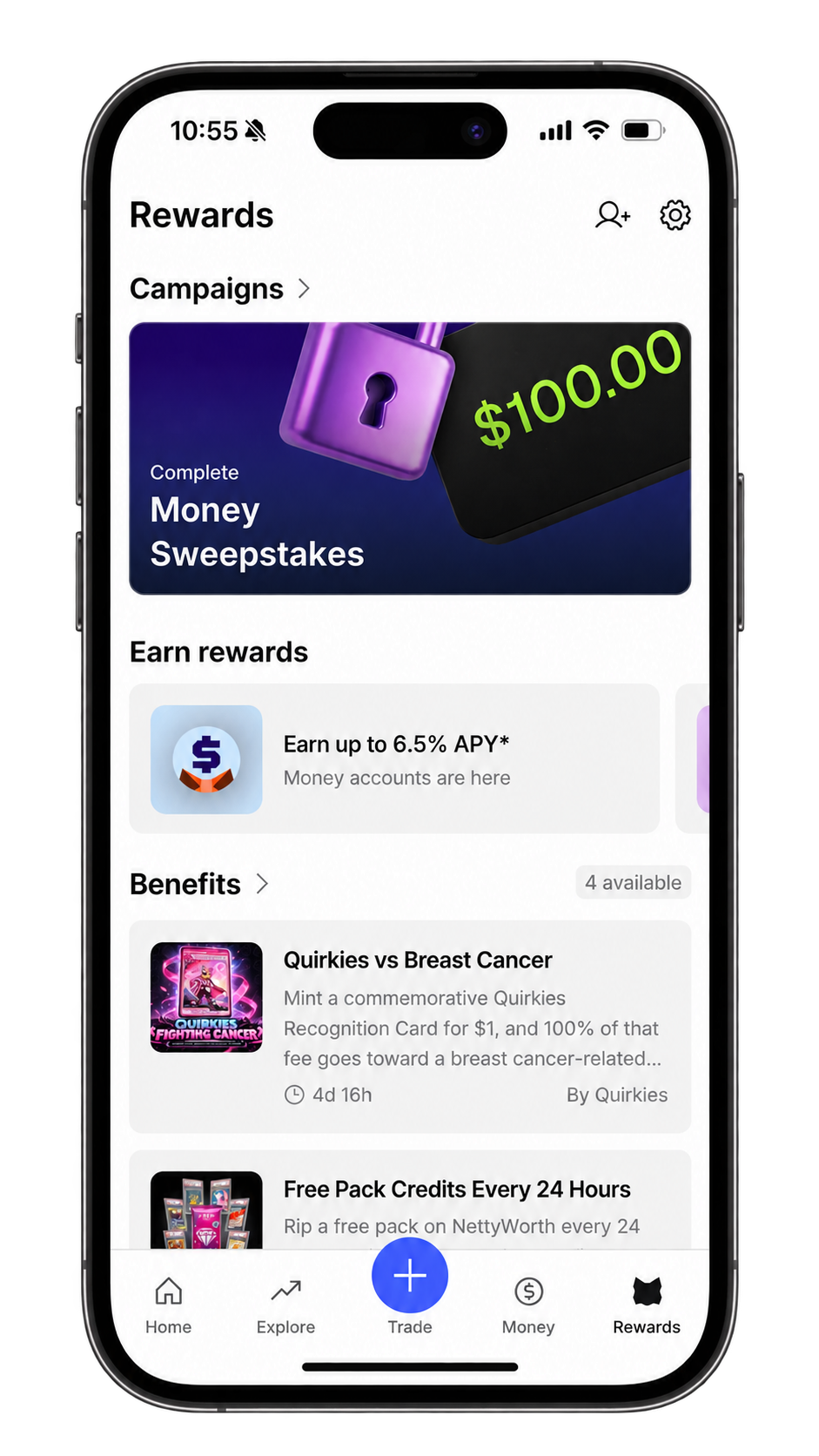
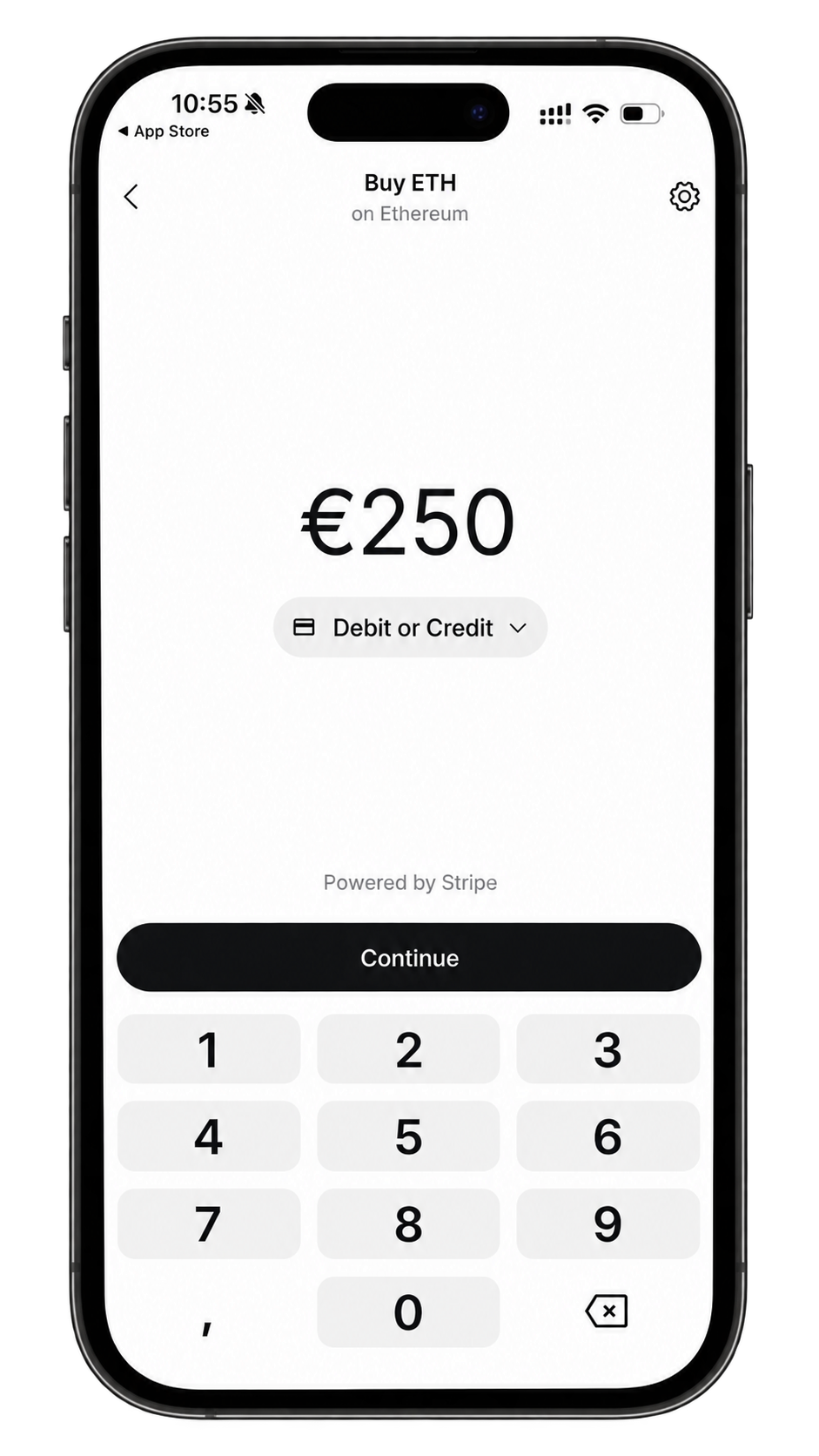
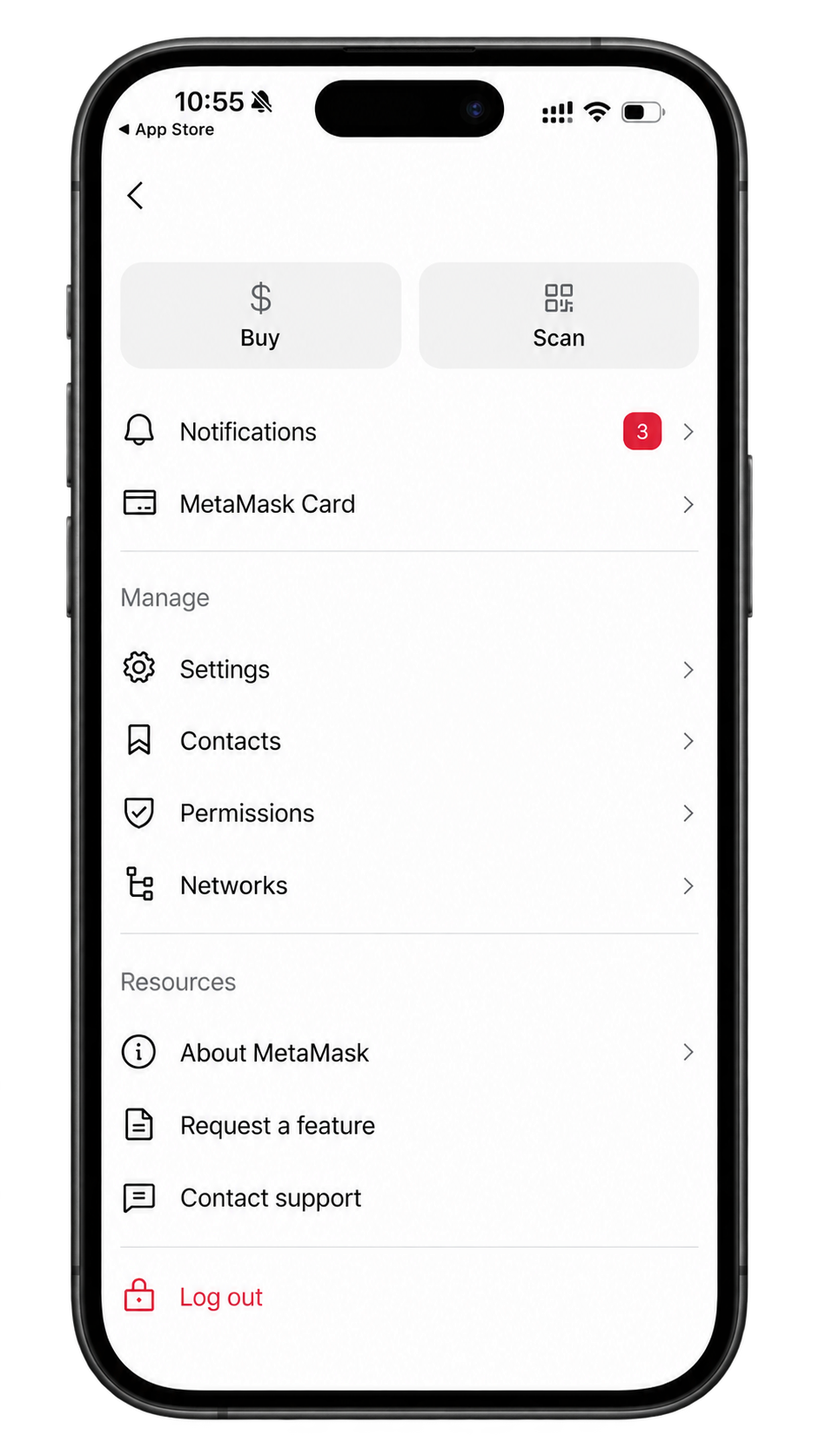
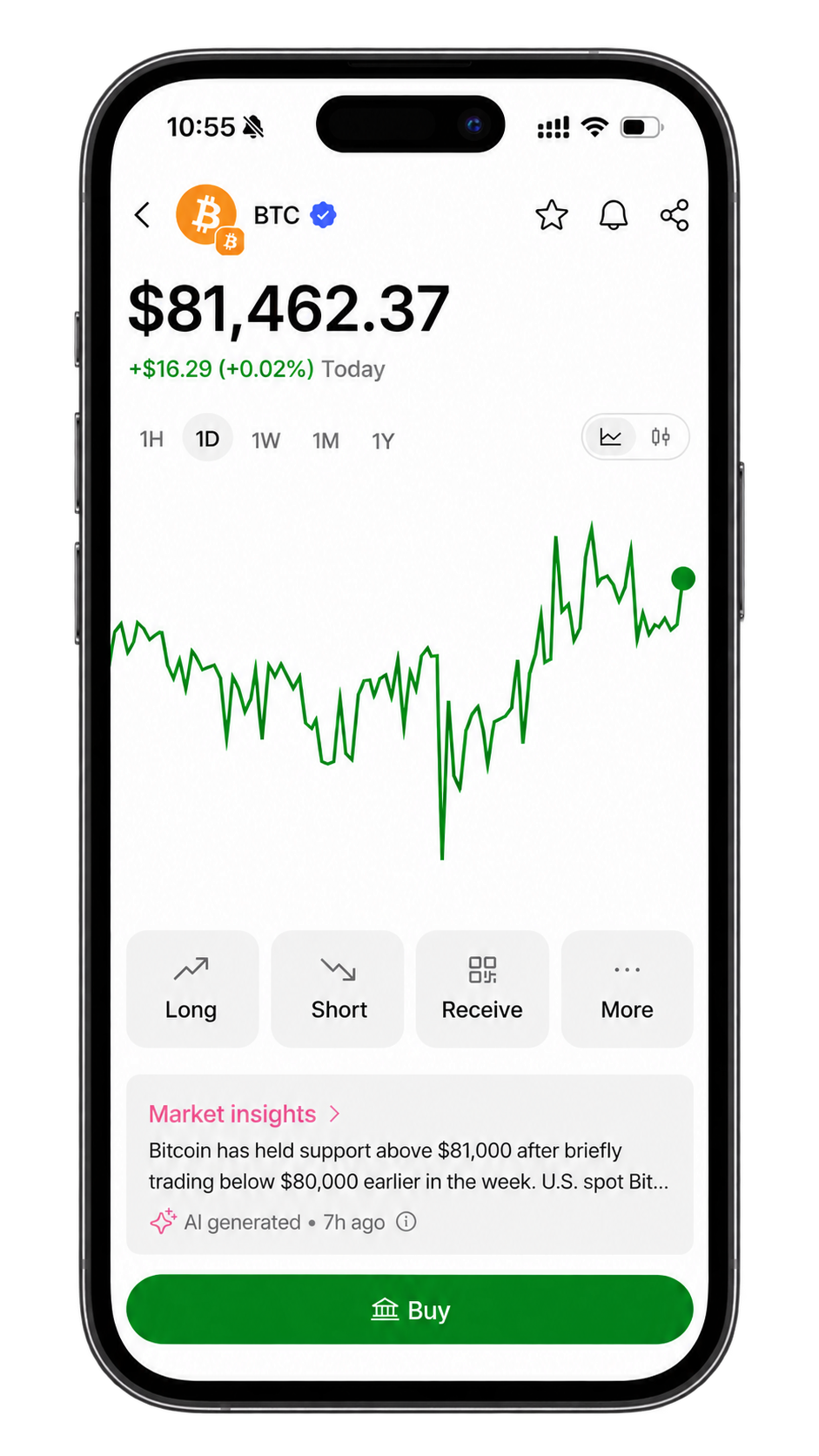
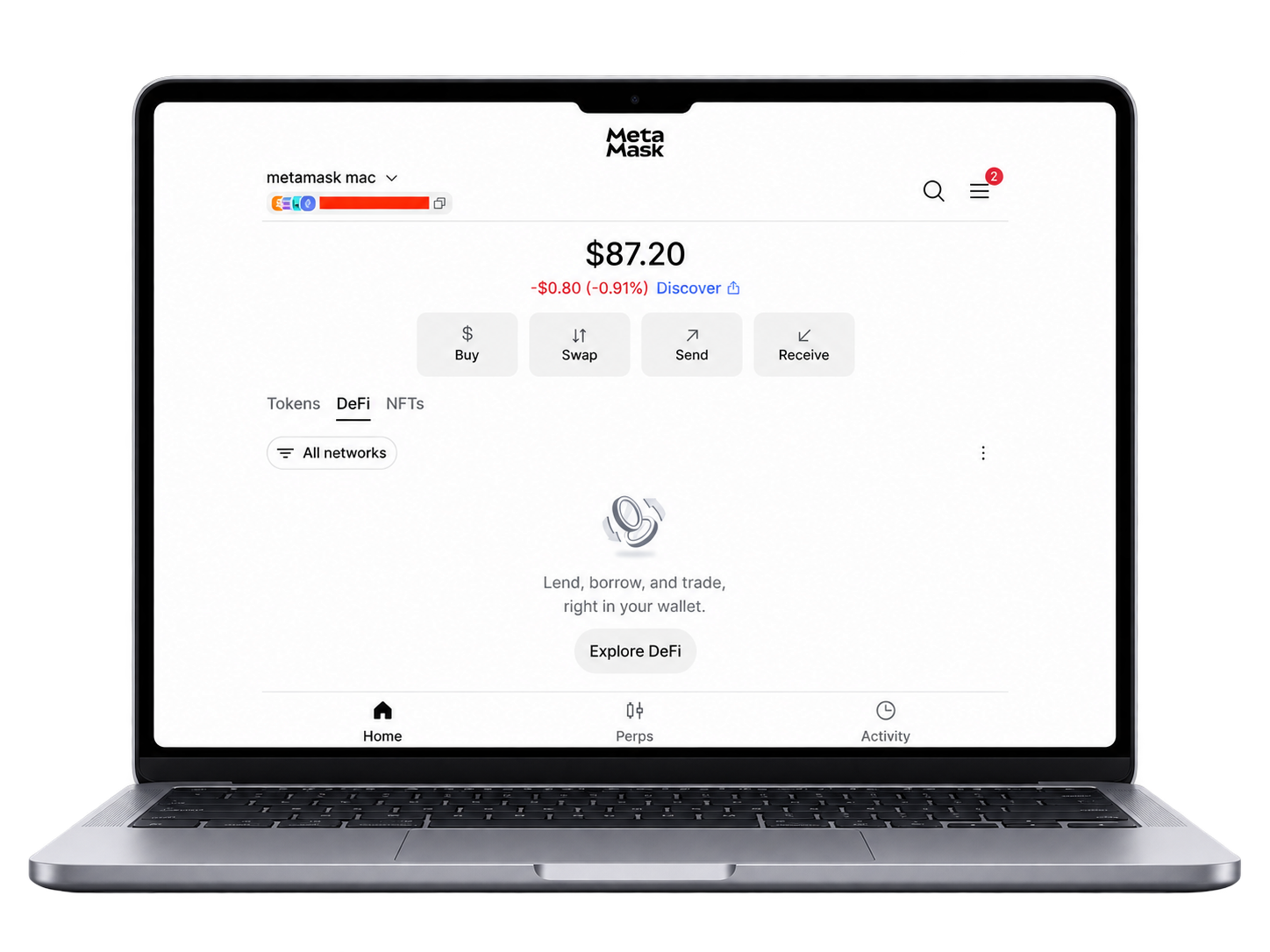
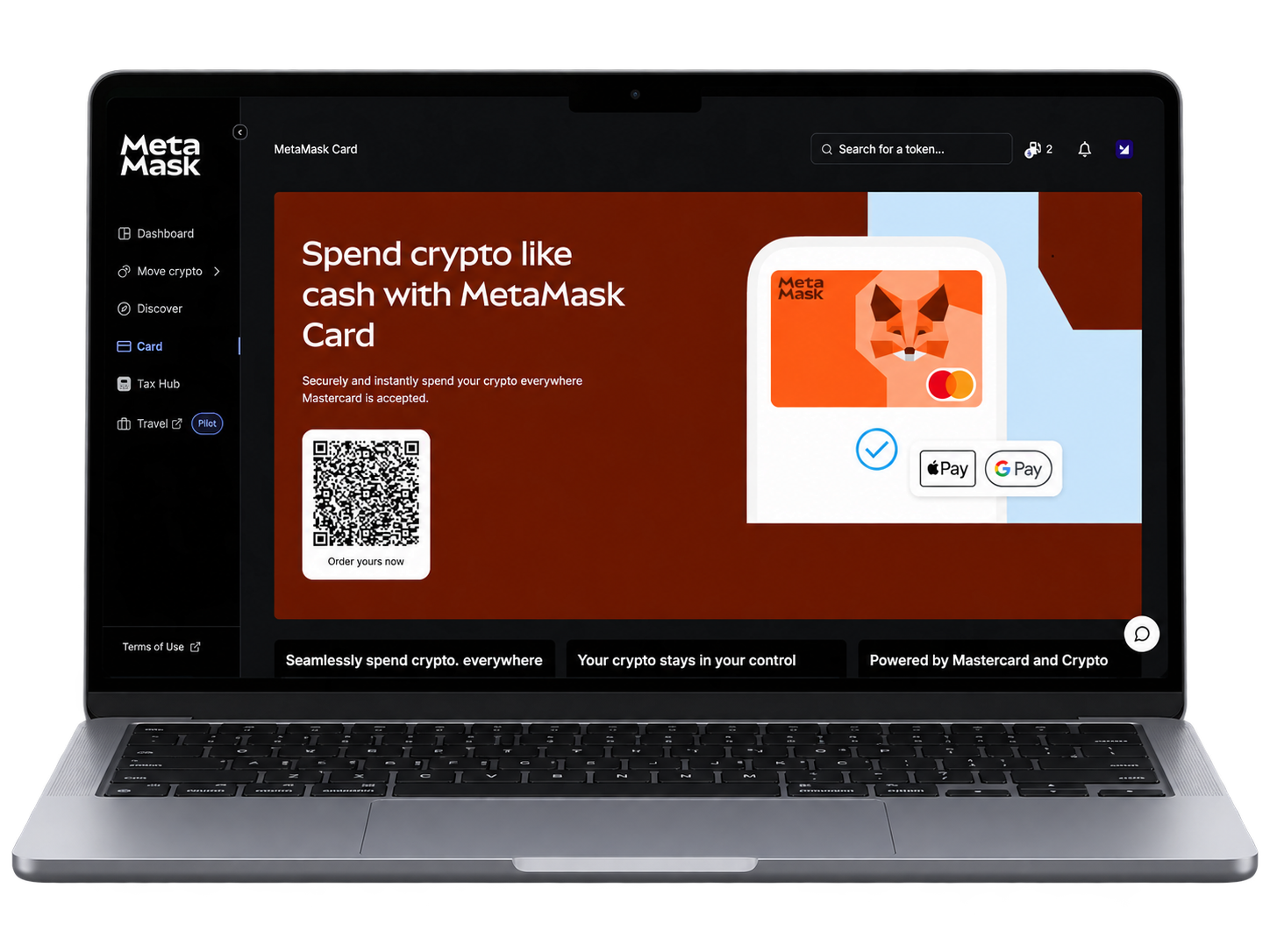
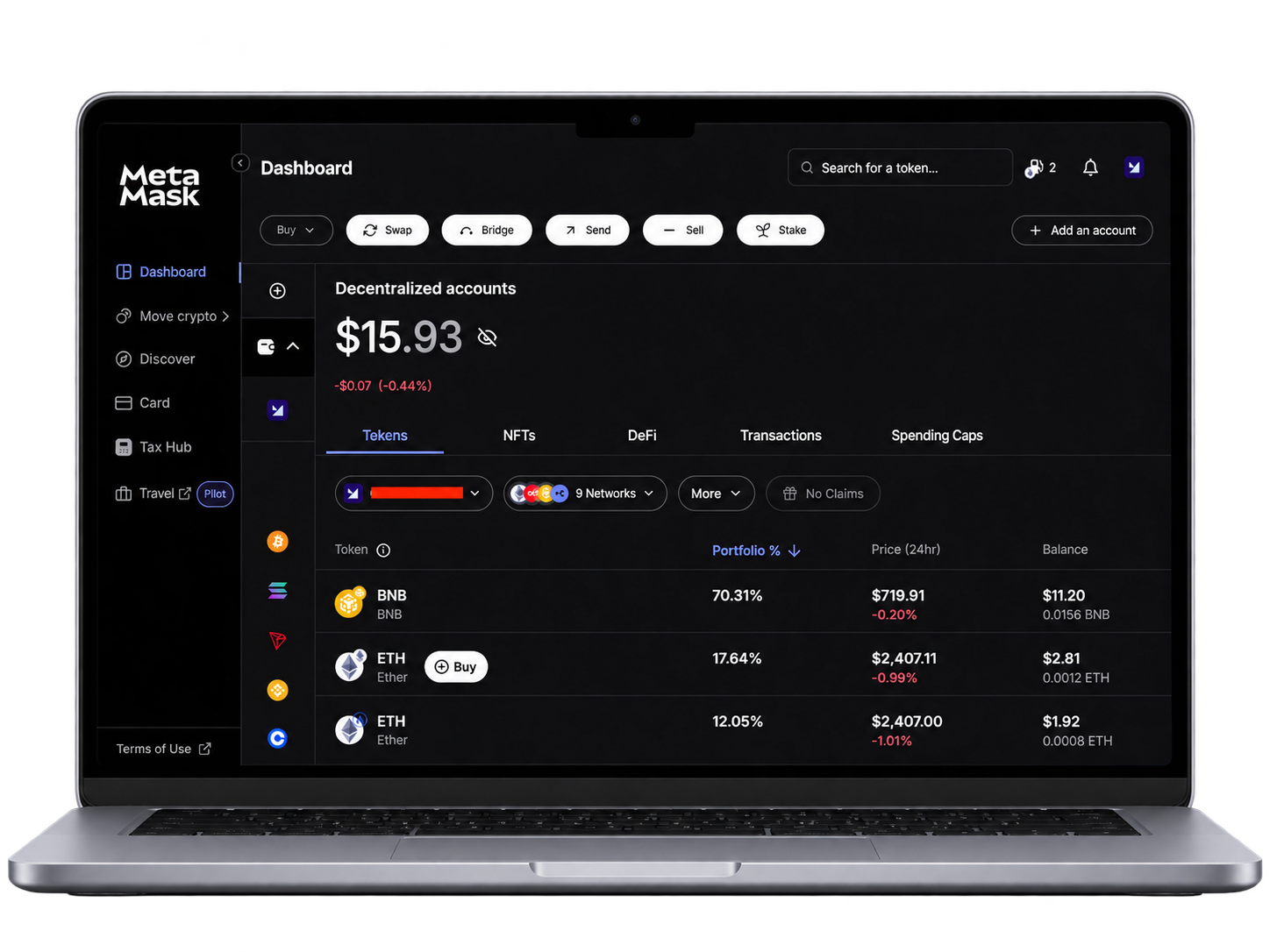
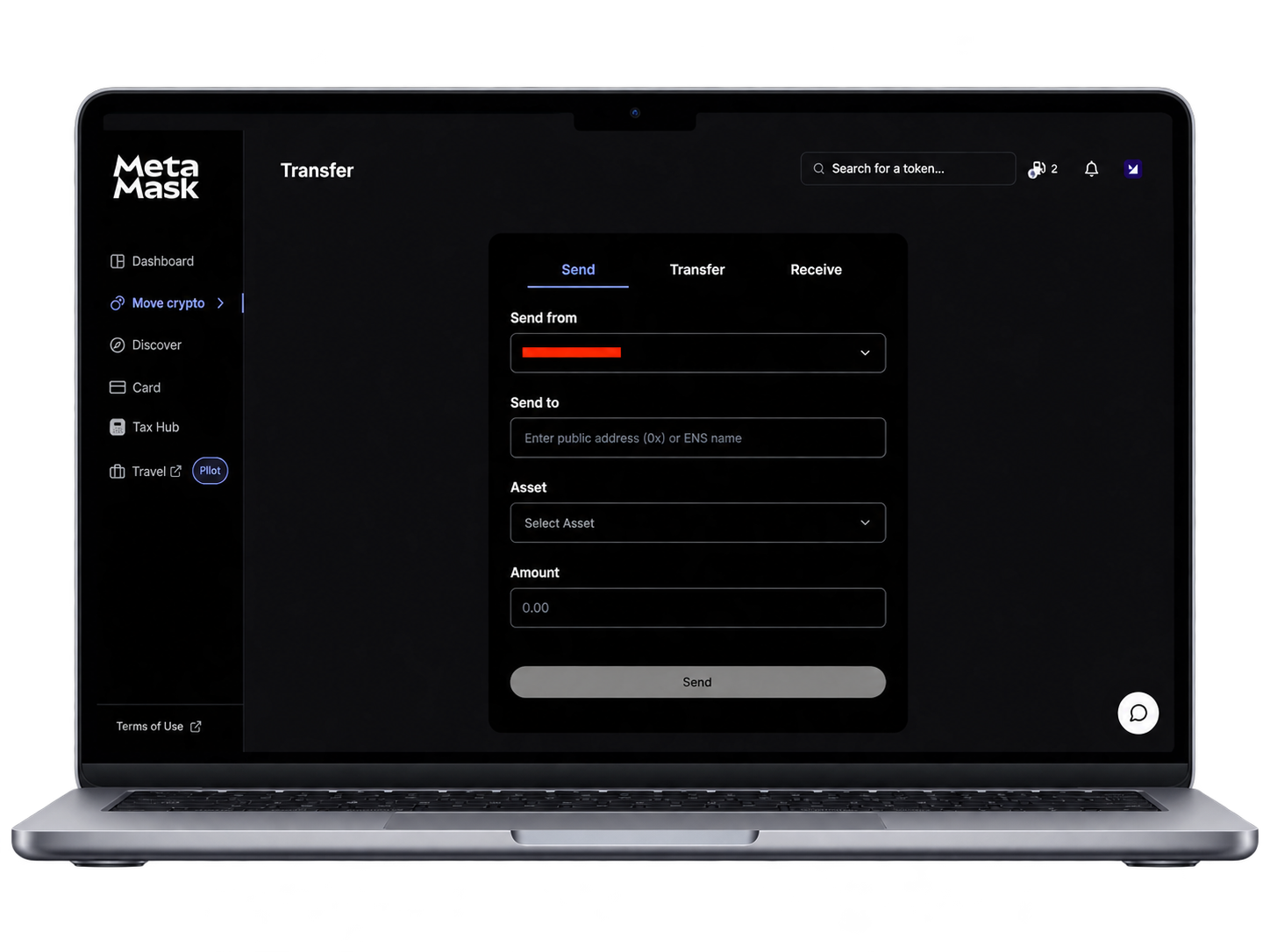
MetaMask offers a familiar, accessible interface across its browser extension and mobile application, with account management, network switching, token balances, connected applications, and transaction approvals organized within a single environment. The browser extension remains particularly convenient for desktop Web3 activity, allowing users to interact with decentralized exchanges, lending protocols, and NFT platforms without constantly switching between wallet applications. The mobile experience places greater emphasis on portfolio management, trading, and integrated financial services, making it useful for investors who prefer managing cryptocurrency directly from their smartphones.
Setting up MetaMask traditionally involves generating a Secret Recovery Phrase, which allows users to restore their wallet if their device is lost, damaged, or replaced. The wallet also supports social sign-in through compatible Google and Apple accounts, using encrypted recovery information distributed across multiple servers to facilitate account restoration. This approach simplifies onboarding for users unfamiliar with conventional recovery phrases, although it introduces dependencies on external account access and the security of the associated authentication process. Social sign-in offers an alternative recovery experience rather than eliminating the need to protect access credentials and understand the consequences of losing them.
Users choosing conventional recovery phrases remain responsible for protecting that information independently. Anyone who obtains the phrase may be able to reconstruct the wallet and access its assets without permission, making secure offline backups essential. Proper seed phrase storage should protect against unauthorized copying, device compromise, and accidental loss, while avoiding screenshots, cloud-based notes, and requests to enter recovery words into unfamiliar websites. MetaMask’s interface can simplify account creation and restoration, but it cannot recover assets when the necessary credentials have been permanently lost.
Although onboarding has become more approachable, cryptocurrency management still requires an understanding of blockchain networks and transaction requirements. The same token may exist on several networks, each with different gas fees, supported applications, and transfer procedures. MetaMask makes these ecosystems accessible through a common interface, but users must still select the correct network, verify receiving addresses, and distinguish legitimate assets from counterfeit tokens. Cross-chain transfers introduce additional considerations because bridging may involve external protocols, transaction delays, and network-specific risks. The wallet reduces the complexity of accessing Web3, but secure everyday use still depends on understanding the transactions being performed.
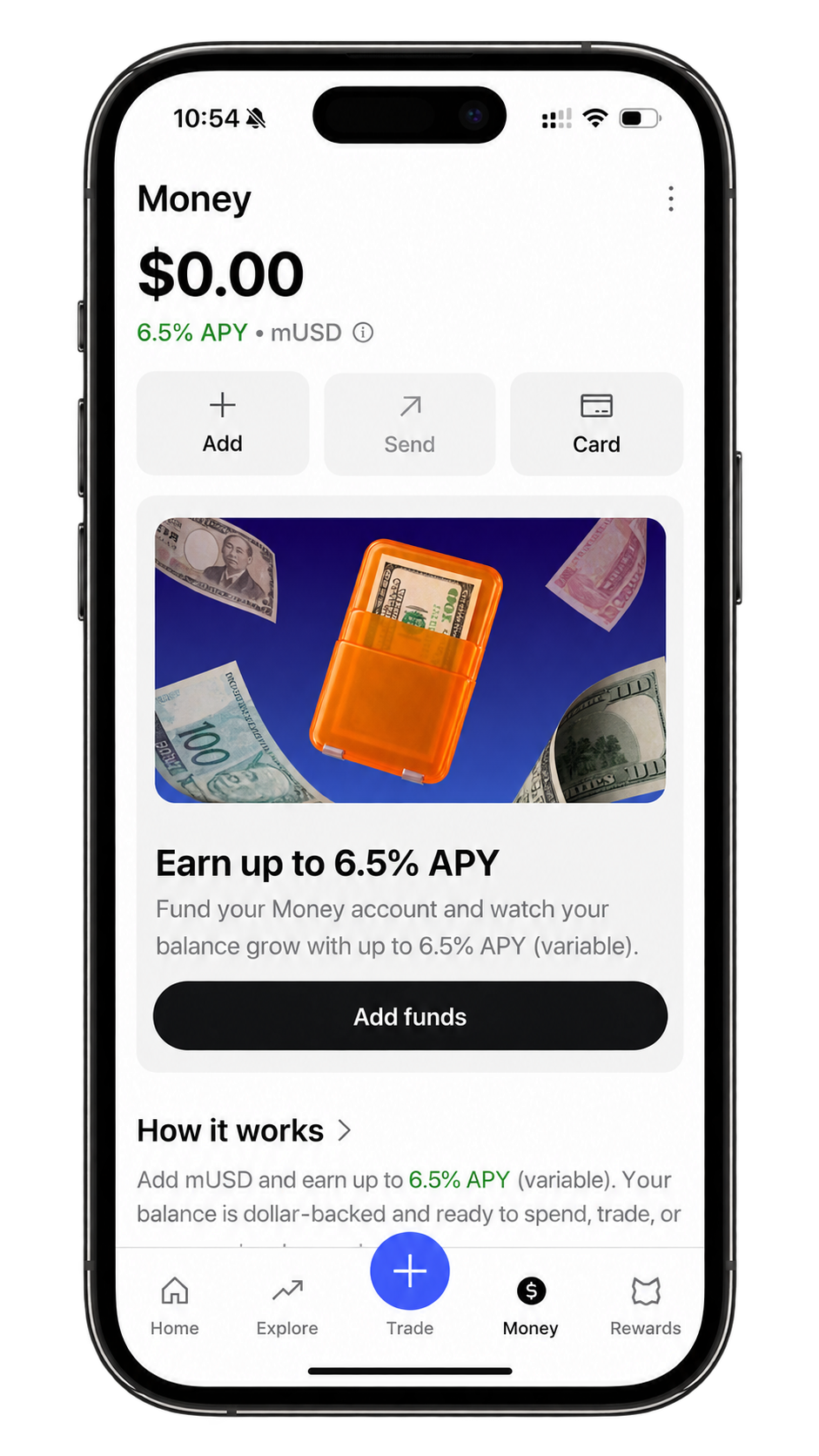
Screenshots
Supported Assets & Features
Supported Networks, Tokens, and NFTs
MetaMask has expanded well beyond its original Ethereum ecosystem, supporting native Bitcoin, Solana, and TRON accounts alongside major EVM-compatible networks such as Base, Arbitrum, Optimism, Polygon, BNB Chain, and Avalanche. Ethereum remains its strongest environment, with extensive compatibility across ERC-20 tokens, NFTs, decentralized exchanges, lending protocols, and other smart contract applications. Users can manage supported assets through the browser extension or mobile application, although certain tokens may require manual importing or additional configuration before appearing correctly in their portfolios.
Native support for non-EVM networks represents a significant improvement over MetaMask’s earlier reliance on Ethereum-compatible assets. Bitcoin users can send, receive, and manage BTC through dedicated Bitcoin accounts, with Native SegWit addresses supported under the current implementation. Solana integration provides access to SOL and supported SPL tokens, while TRON functionality allows users to manage TRX and TRC-20 assets, including USDT. MetaMask Mobile also supports TRX staking, allowing users to obtain bandwidth or energy resources used by the TRON network. These additions reduce the need to maintain separate software wallets for basic activities across several major blockchain ecosystems.
MetaMask’s multi-chain account structure brings these networks into a more consistent interface, but the underlying blockchains retain different address formats, signing requirements, and transaction rules. Bitcoin, Solana, TRON, and EVM addresses are not interchangeable, even when they appear under the same account name. Functionality also varies between ecosystems, particularly for NFTs, staking, advanced smart contract interactions, and decentralized applications. While MetaMask now supports a considerably broader selection of assets, specialized wallets may still provide more extensive features for individual networks. Users should verify the precise transaction and application support available for their holdings rather than relying solely on whether a cryptocurrency is listed as compatible.
Swaps, Bridging, and Trading Costs
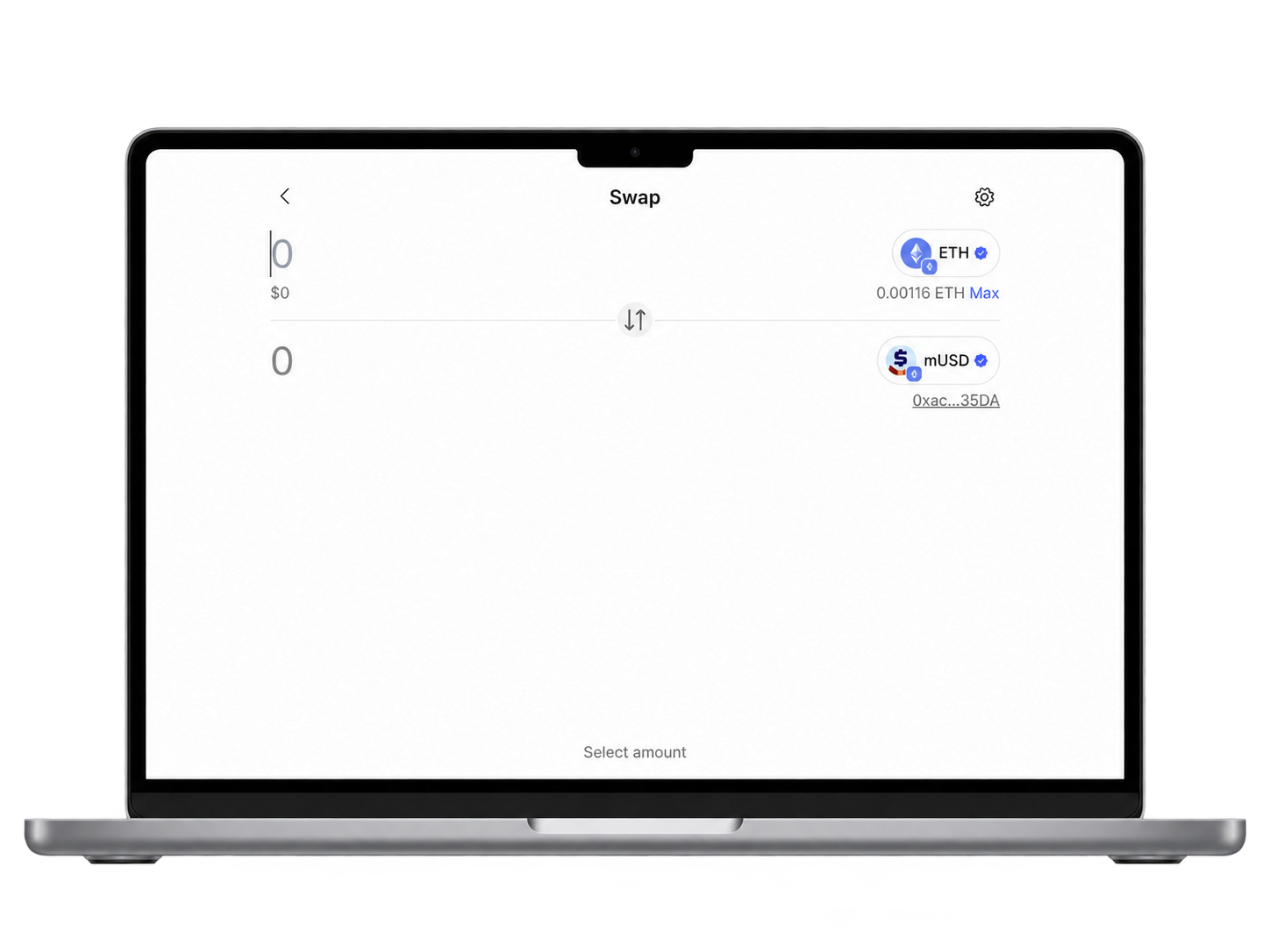
MetaMask integrates cryptocurrency swaps and cross-chain bridging directly into its wallet interface, allowing users to exchange supported assets without manually connecting to a separate decentralized exchange. Its routing system compares available liquidity providers and execution paths to present transaction quotes, including certain cross-chain exchanges that would otherwise require several separate steps. This approach simplifies everyday trading, particularly for users managing tokens across Ethereum and its layer-2 networks, although the underlying transactions still depend on external liquidity sources, smart contracts, and bridge infrastructure.
Convenience comes with additional costs. MetaMask’s standard swap fee is 0.875%, separate from applicable blockchain gas charges, price impact, and other execution expenses. A $5,000 transaction would therefore incur a $43.75 MetaMask fee before accounting for those additional costs. While this may be acceptable for occasional transactions, the difference becomes more significant for larger trades or investors who swap frequently. Comparing executable quotes through independent DEX aggregators can help identify lower-cost alternatives, particularly when liquidity is fragmented across several trading venues.
Cross-chain transactions require additional scrutiny because the quoted route may involve external bridges, multiple smart contracts, and settlement processes operating across different networks. MetaMask can simplify the interaction by presenting the expected destination asset and estimated output, but it cannot eliminate liquidity shortages, bridge vulnerabilities, settlement delays, or unfavorable price movements. Users should examine the minimum amount expected to arrive, the networks involved, and any additional fees before approving a transaction. An attractive quoted exchange rate does not necessarily represent the best overall execution when gas, slippage, and cross-chain dependencies are included.
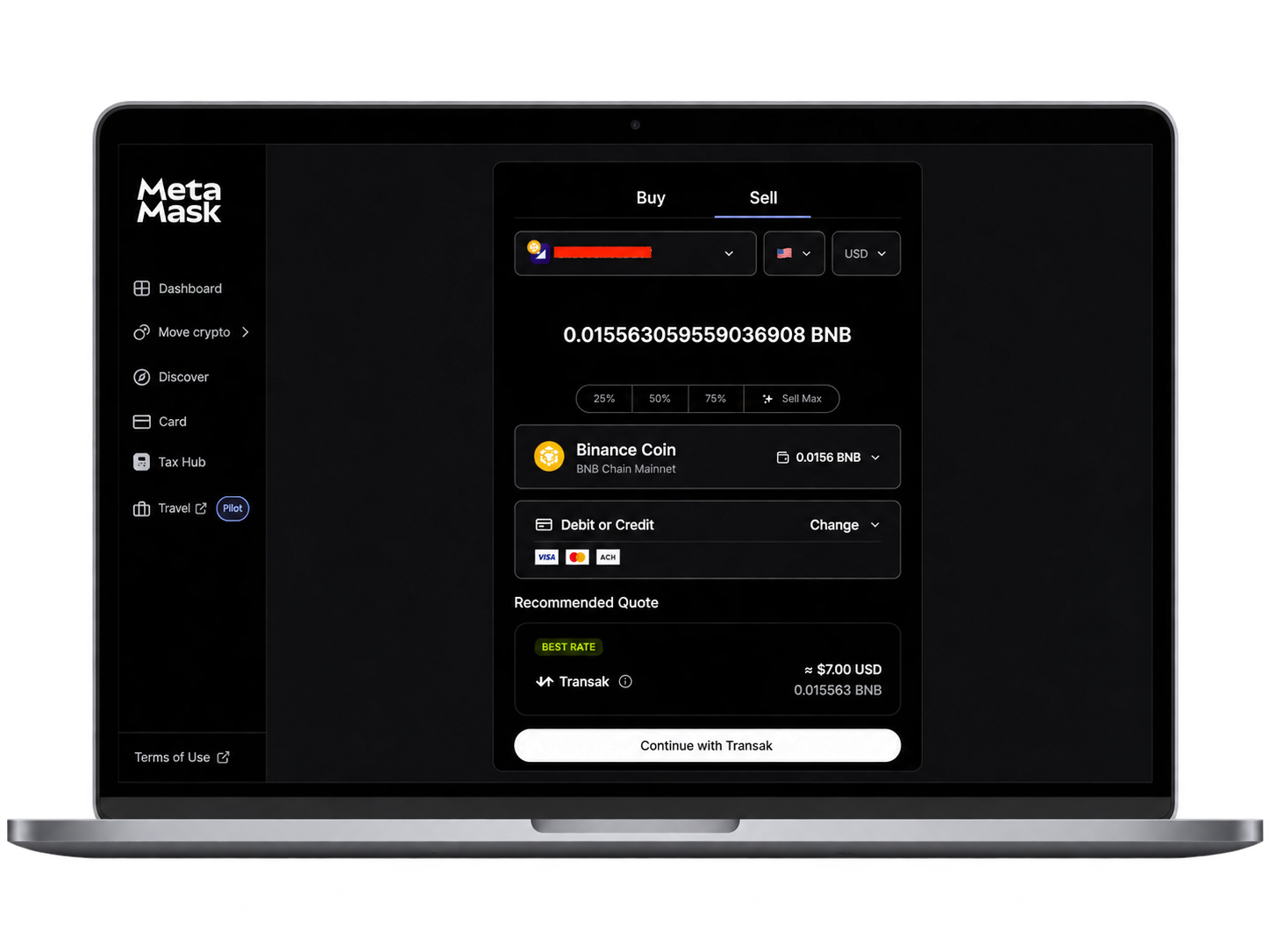
MetaMask also supports cryptocurrency purchases through integrated fiat payment providers, with available methods including bank transfers and payment cards depending on the user’s country. These services operate under their respective pricing, identification, and transaction requirements, which can differ substantially from ordinary onchain swaps. Although MetaMask is free to install and use as a wallet, purchasing cryptocurrency, exchanging assets, and bridging between networks can generate meaningful costs. Investors should distinguish between the wallet’s free self-custody functionality and the commercial services available through its interface.
Staking, mUSD, and MetaMask Money Account
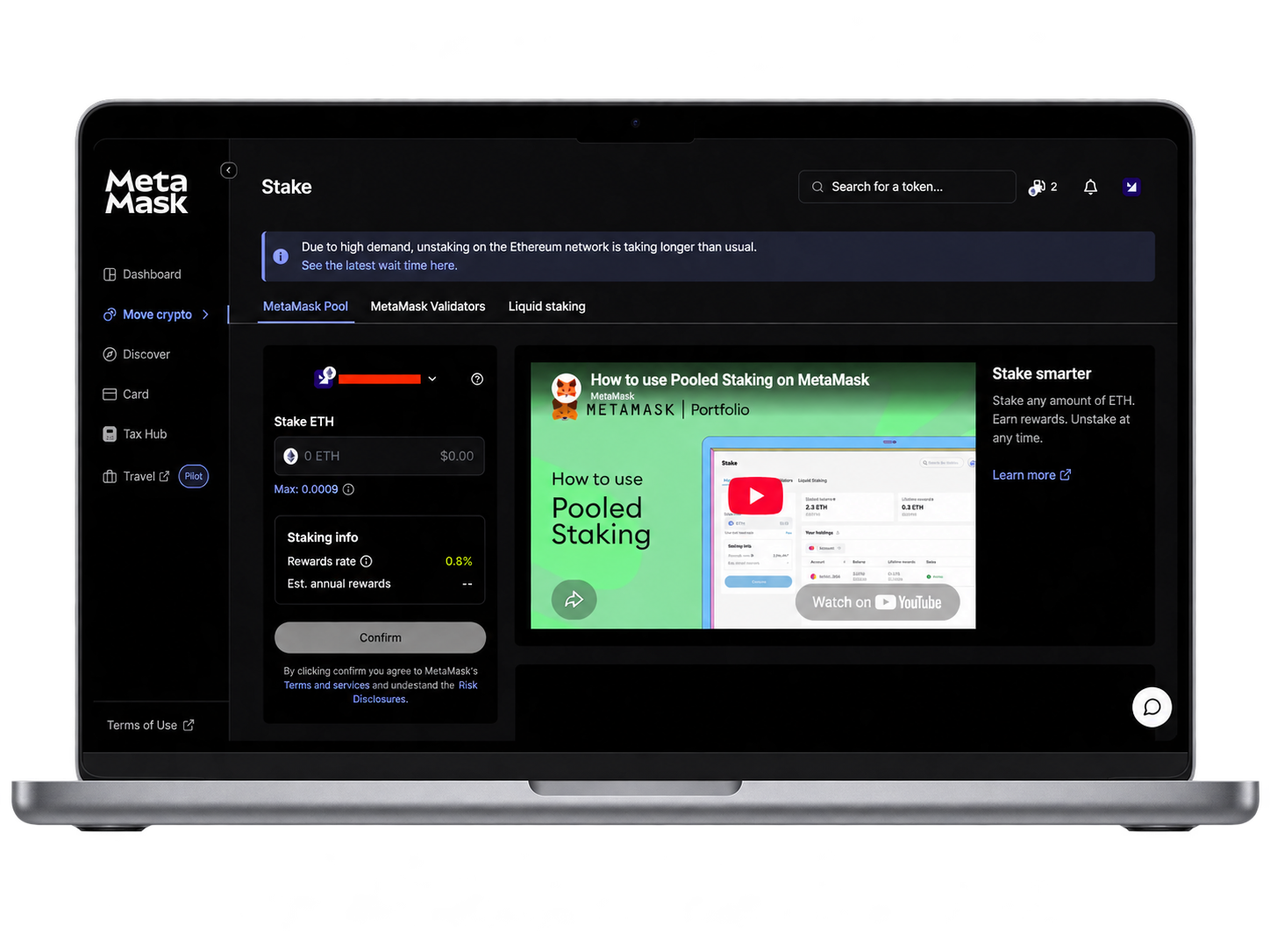
MetaMask provides several ways to participate in cryptocurrency staking, including pooled ETH staking, liquid staking integrations, and validator staking services. Its pooled staking option allows users to earn Ethereum staking rewards without independently operating a validator or providing the 32 ETH required for solo validator participation. The service combines deposits through its underlying staking infrastructure and distributes rewards proportionally to participants. MetaMask charges 15% of staking rewards, meaning users retain 85% of the rewards generated before considering other applicable costs. This fee is deducted from earnings rather than the original ETH deposit, while actual returns fluctuate according to network conditions and validator performance.
Staking through MetaMask simplifies access to Ethereum rewards, but the different methods introduce distinct liquidity and security considerations. Pooled staking involves protocol infrastructure and withdrawal procedures, while liquid staking typically provides receipt tokens representing a claim on assets deposited into another protocol. Validator staking introduces additional operational and validator-performance risks. Users should examine how their assets are handled, whether withdrawals involve waiting periods, and which contracts or service providers are responsible for the staking process. Estimated annual returns are not guaranteed, and staking through a familiar wallet interface does not remove the underlying risks.
MetaMask has also expanded into dollar-denominated asset management through MetaMask USD (mUSD) and its mobile Money Account. mUSD is a stablecoin designed to maintain a value close to one US dollar, while Money Account allows eligible users to deposit mUSD on the Monad network and earn variable yield through integrated DeFi infrastructure. The account is accessible through MetaMask Mobile, with earnings calculated automatically and balances available for supported transfers or spending. MetaMask currently advertises yields of up to approximately 4% APY, although the rate is variable and may change with market conditions and the underlying yield arrangements.
Despite its savings-oriented presentation, Money Account is not equivalent to a conventional bank deposit. Stablecoin reserves, smart contract performance, liquidity conditions, and the protocols generating the yield all influence the safety of the arrangement. A stablecoin can experience redemption difficulties or lose its intended peg, while underlying lending or investment strategies may introduce risks that are not immediately apparent from the account balance. Users should therefore assess mUSD and Money Account separately from the wallet’s ordinary token-storage functionality, particularly when deciding how much capital to allocate to yield-generating services.
MetaMask Card extends the ecosystem into everyday payments, allowing eligible users to spend supported cryptocurrency balances through the Mastercard network. The virtual card is available without an annual subscription fee, although transactions can incur network, conversion, and other applicable charges. A premium Metal tier offers additional benefits at a $199 annual subscription price, but new Metal card orders have been temporarily paused since June 2026. Card eligibility and functionality vary by jurisdiction, and spending cryptocurrency may create taxable events depending on local regulations. The card adds practical utility for users who want to spend onchain assets, but payment services and DeFi yield products should not be confused with the security or regulatory protections of traditional banking accounts.
Perpetual Futures and Advanced Trading
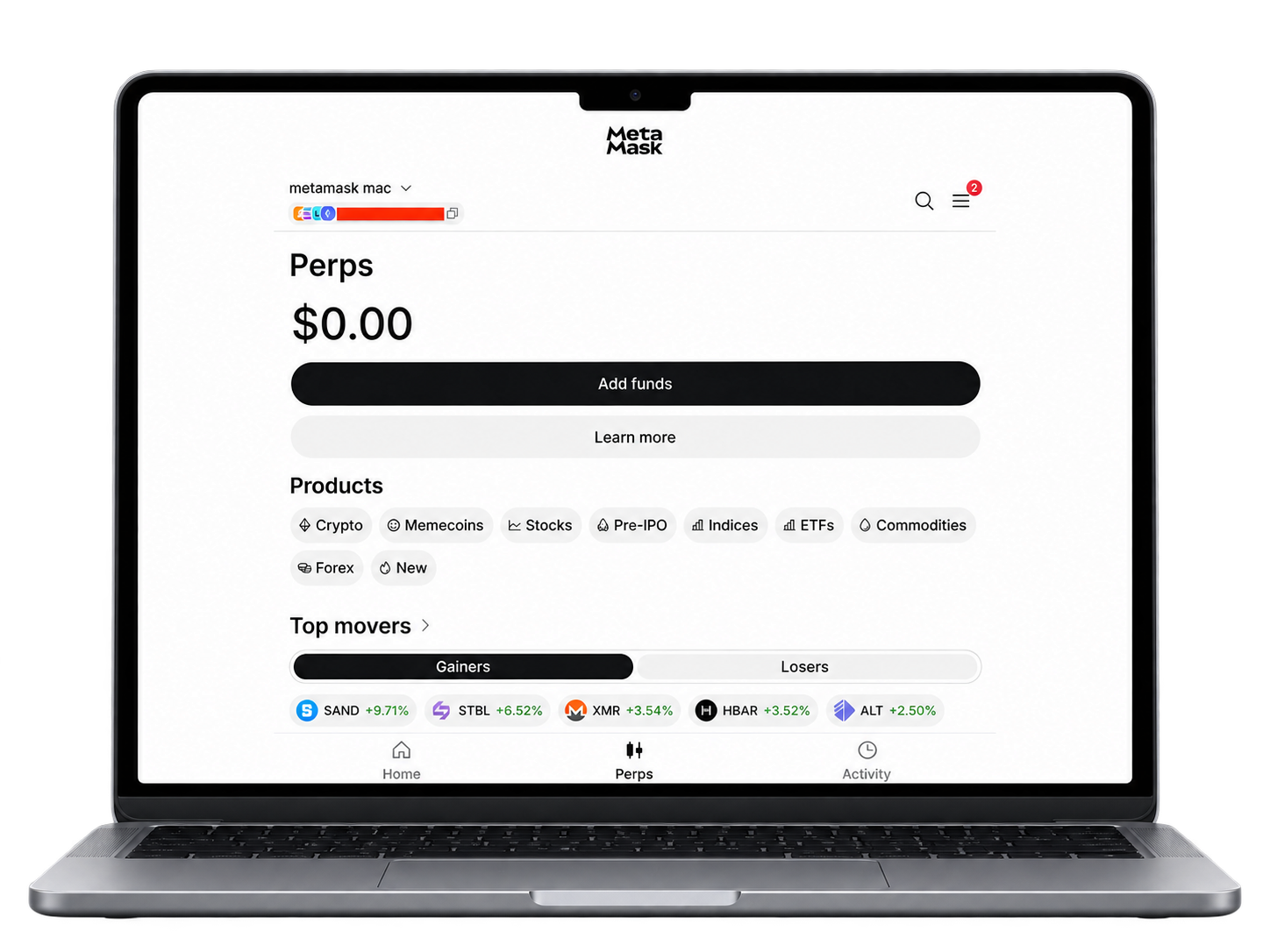
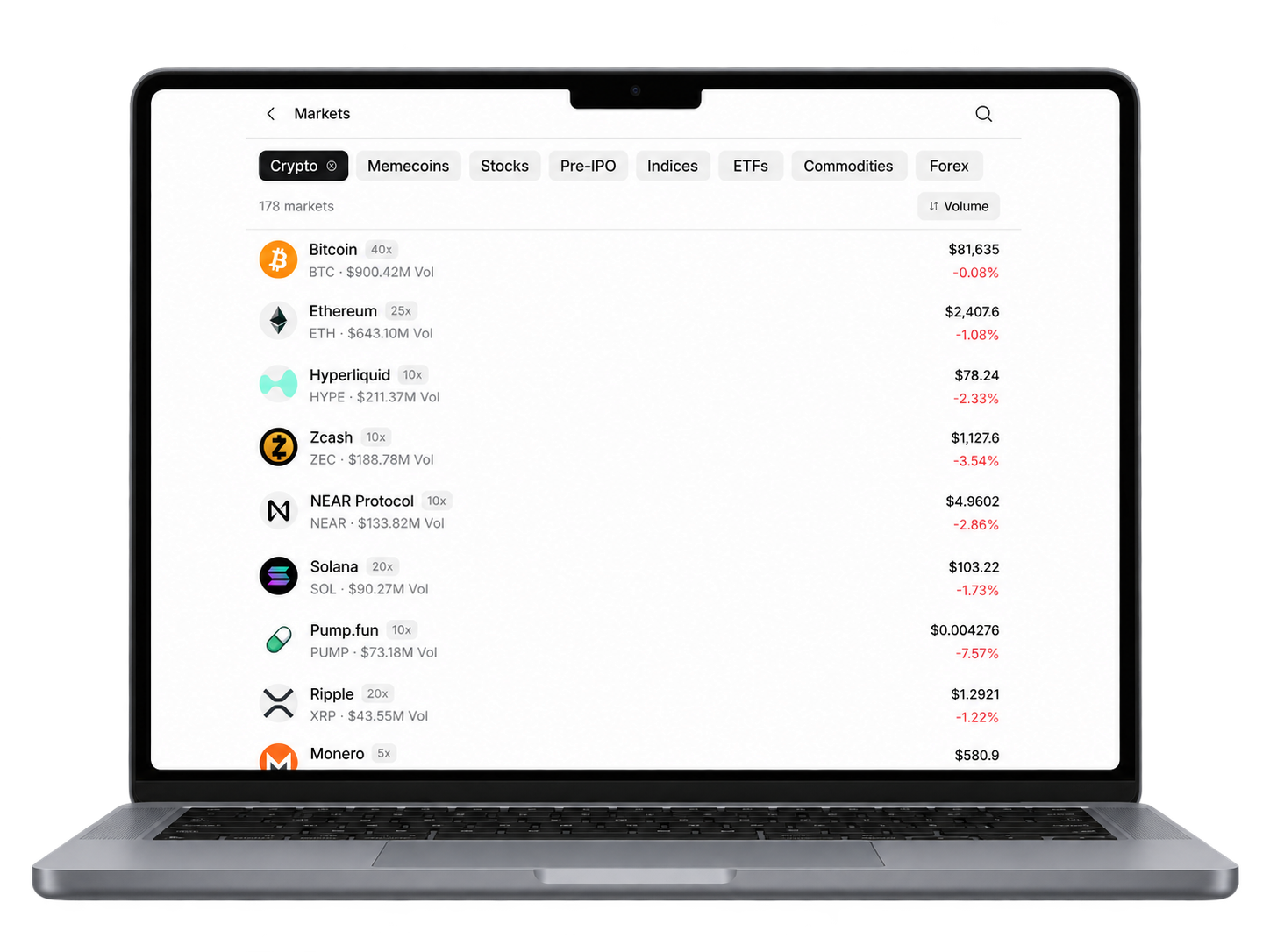
MetaMask now provides perpetual futures trading through its mobile application and browser extension, with execution powered by Hyperliquid. Eligible traders can open leveraged long and short positions on supported cryptocurrencies without using a separate trading interface, funding their derivatives account through compatible assets that are converted into the required collateral. The integration also extends to selected equity-linked perpetual contracts, including markets referencing individual stocks and broader equity benchmarks. These instruments provide exposure to price movements without transferring ownership of the underlying shares or cryptocurrencies.
Perpetual futures introduce substantially different risks from ordinary token transfers or spot cryptocurrency purchases. Traders commit collateral to leveraged positions whose value changes with the underlying market, while funding payments, execution fees, and margin requirements affect the cost of maintaining exposure. Adverse price movements can trigger liquidation, potentially resulting in the loss of the collateral supporting a position. The mechanics of crypto perpetual futures also depend on mark prices, oracle information, available liquidity, and the trading platform’s risk-management infrastructure. Accessing these markets through a self-custodial wallet interface does not eliminate those dependencies.
MetaMask’s integration makes derivatives trading more accessible, but it also requires users to distinguish between assets held in their ordinary wallet accounts and collateral allocated to positions within the underlying trading protocol. Depositing funds into a derivatives account introduces exposure to that protocol’s contracts, execution systems, and margin rules. Traders should examine leverage settings, liquidation thresholds, funding rates, and withdrawal conditions before opening positions, particularly when dealing with volatile assets or less liquid equity-linked markets. A familiar wallet interface can simplify order placement without making the financial instrument itself less complex.
Regional restrictions further limit access to the service. MetaMask Perps is currently unavailable in several jurisdictions, including the United States, United Kingdom, Ontario in Canada, and Belgium, alongside sanctioned regions. Availability also depends on applicable service rules and supported markets. For experienced traders, the integration offers convenient access to leveraged exposure within a broader cryptocurrency-management environment, while users primarily interested in self-custody, DeFi connections, or long-term holdings can continue using MetaMask without participating in derivatives trading.
Security & Privacy
Security: Transaction Warnings, Signing, and Recovery
MetaMask combines encrypted private-key storage, transaction previews, security alerts, and optional hardware wallet integration to protect users during everyday cryptocurrency activity. Its security tools examine suspicious websites, potentially malicious contracts, wallet addresses, and transaction behavior, with threat intelligence provided through MetaMask’s security infrastructure and partners such as Blockaid. Transaction simulation adds another layer by estimating how a proposed interaction could affect token balances and NFT holdings before the user signs it. These capabilities are particularly valuable in decentralized finance, where a signing request may authorize future token transfers or complex smart contract operations rather than a straightforward payment.
Security warnings help identify known threats, but their effectiveness depends on the information available when a transaction is assessed. Newly deployed malicious contracts, misleading websites, and unfamiliar signing methods may escape detection, while legitimate applications can occasionally trigger warnings. Users can also proceed despite certain security alerts, making transaction review an important responsibility. Many wallet-drainer attacks exploit excessive token permissions or deceptive signatures instead of stealing private keys directly, allowing an attacker to move assets after the owner has unknowingly authorized access. MetaMask’s alerts and simulations reduce exposure to these threats without guaranteeing that every dangerous interaction will be identified.
MetaMask has strengthened its transaction protection through enforced simulations available in supported smart-account workflows on the browser extension. Unlike conventional offchain previews, which estimate transaction outcomes before execution, enforced simulations introduce an onchain verification step designed to ensure execution matches the simulated result. If the conditions differ, the transaction can revert rather than proceed with an unexpected outcome, although the failed execution may still incur network fees. This protection applies only to supported networks and transaction types, and it does not establish that the transaction’s intended outcome is economically beneficial or that the underlying contract is trustworthy.
The optional Transaction Shield subscription provides a separate form of protection, offering reimbursement of up to $10,000 per month for eligible losses involving supported transactions on MetaMask Extension. Coverage is limited to qualifying interactions, with restrictions based on network, transaction type, subscription status, and the security assessment shown before signing. Losses involving compromised recovery phrases, stolen private keys, market movements, and many external protocol exploits are excluded. Transaction Shield therefore provides conditional financial protection rather than insurance for an entire cryptocurrency portfolio, and users should examine its eligibility requirements before relying on potential reimbursement.
Managing existing smart contract permissions is another important part of MetaMask security. Token approvals can remain active after a user disconnects from a decentralized application, potentially allowing an approved spender to transfer assets within the authorized allowance. Regularly reviewing and revoking unnecessary token approvals can reduce exposure to compromised contracts and permissions that are no longer needed. For substantial holdings, compatible hardware wallets provide an additional security advantage by keeping signing keys outside the browser or mobile application’s software environment. However, hardware-based signing cannot prevent a user from approving a malicious transaction, making transaction visibility and permission management relevant regardless of where the private keys are stored.
Privacy, Support, and Practical Limitations
MetaMask provides self-custodial control over cryptocurrency accounts, but it does not offer complete anonymity. Blockchain transactions remain publicly visible, while connecting to decentralized applications can expose wallet addresses, account activity, and other information requested by those services. MetaMask also relies on blockchain infrastructure providers to retrieve balances and broadcast transactions, with default RPC connections using Infura for supported networks. Depending on the selected settings and services, network requests may involve the processing of IP addresses, wallet information, and transaction data. Security alerts and transaction simulations also share certain request details with MetaMask’s security infrastructure and partners, although private keys and recovery phrases are not disclosed for those checks.
Users concerned about privacy can review their RPC configurations, connected applications, analytics preferences, and optional security services to better understand how information is processed. MetaMask supports custom RPC endpoints, allowing users to choose alternative providers or connect to their own infrastructure, although changing providers may affect certain transaction-protection features. Optional social-login recovery introduces further dependencies on external account authentication and encrypted backup infrastructure. These arrangements can simplify wallet access, but they should be evaluated separately from conventional offline recovery phrases. Neither approach conceals the public transaction history associated with an address, and using multiple applications with the same account can make its activity easier to associate across services.
Customer support is another area where self-custody differs from conventional financial accounts. MetaMask can assist with application errors, supported services, transaction troubleshooting, and suspected scams, but it cannot reverse confirmed blockchain transfers or restore cryptocurrency already controlled by an attacker. When unauthorized activity occurs, the response depends on whether private keys, recovery information, or smart contract permissions have been compromised. A stolen recovery phrase generally requires migrating remaining assets to a newly generated wallet, while an isolated malicious approval may be addressed through appropriate revocation. Effective crypto incident response also involves preserving transaction records, identifying the affected accounts, and avoiding further exposure while investigating the incident.
Phishing and impersonation remain significant risks because attackers frequently imitate MetaMask’s website, browser extension, support channels, and recovery procedures. Fake search advertisements and counterfeit download pages can direct users toward malicious software, while fraudulent support representatives may request recovery phrases under the pretext of restoring access or resolving security warnings. Verifying official wallet download links is particularly important during installation and recovery, when users may be more inclined to trust an unfamiliar support page. MetaMask’s extensive Web3 compatibility makes it highly convenient, but safe use still depends on protecting recovery credentials, scrutinizing transaction requests, and recognizing that self-custody places responsibility for account access and authorization with the owner.
MetaMask vs Competitors
MetaMask vs Trust Wallet, Rabby Wallet, and Coinbase Wallet
MetaMask competes with several established self-custody wallets that offer different approaches to blockchain compatibility, transaction security, and cryptocurrency trading. Trust Wallet prioritizes broad native asset support, Rabby specializes in Ethereum and EVM-based DeFi, while Coinbase Wallet has expanded into a multi-chain trading platform. Although their functionality increasingly overlaps, differences in supported networks, transaction verification, application integrations, and trading services can make one wallet more suitable than another.
MetaMask vs Trust Wallet
Trust Wallet is one of MetaMask’s strongest alternatives for users managing cryptocurrency across multiple blockchain ecosystems. It supports more than 100 networks, including Bitcoin, Ethereum, Solana, TRON, BNB Chain, and numerous other EVM and non-EVM networks. Its mobile application and browser extension provide access to cryptocurrency transfers, staking, swaps, NFTs, and decentralized applications, making it particularly convenient for investors holding a diverse selection of assets. MetaMask has narrowed the compatibility gap through its own native Bitcoin, Solana, and TRON integrations, but Trust Wallet retains broader coverage across less common blockchain families.
MetaMask’s main advantage is its established position within Ethereum and EVM-based decentralized finance. Its browser extension remains widely supported by decentralized applications, while integrated transaction simulations, security alerts, and more advanced trading services strengthen its appeal for frequent Web3 users. Trust Wallet also provides built-in security scanning and trading features, so the choice increasingly depends on the specific networks and applications an investor uses. Those seeking extensive native blockchain coverage may prefer Trust Wallet, while users primarily interacting with Ethereum protocols may find MetaMask’s familiar signing environment and application compatibility more practical. Both remain software wallets exposed to internet-connected device risks, making recovery security and careful transaction authorization essential.
MetaMask vs Rabby Wallet
Rabby Wallet is designed specifically for Ethereum and EVM-compatible networks, with an emphasis on making decentralized finance transactions easier to understand and manage. Its automatic network detection removes much of the inconvenience associated with switching between blockchains, while transaction simulation displays expected balance changes, token movements, and contract approvals before signing. Rabby also integrates portfolio tracking and risk assessments directly into its interface, making it particularly useful for traders interacting with several lending protocols, decentralized exchanges, and liquidity positions throughout the day.
MetaMask has addressed many of the same security concerns through transaction previews, phishing detection, and advanced simulation protections, reducing the functional differences between the two wallets. However, Rabby’s EVM-focused interface remains particularly efficient for users who prioritize automatic network handling and detailed approval visibility. MetaMask offers greater versatility through native Bitcoin, Solana, and TRON support, alongside staking, integrated payment services, and perpetual futures trading. For investors whose activity is concentrated almost entirely within EVM-based DeFi, Rabby may provide a more streamlined experience, while MetaMask is better suited to users who want broader blockchain access and financial services within the same application. Neither wallet’s transaction-risk analysis can guarantee that every unfamiliar smart contract is safe.
MetaMask vs Coinbase Wallet (Formerly Base App)
Coinbase Wallet returned to its original branding in September 2026 after operating as Base App, reflecting a broader shift toward multi-chain trading and financial market access. The updated platform emphasizes cryptocurrency discovery, token trading, charts, limit orders, perpetual futures, prediction markets, and tokenized market exposure. Its integration with Coinbase’s broader ecosystem can also make funding and account management more convenient for eligible users, although Coinbase Wallet remains a self-custodial product distinct from holding assets on the centralized Coinbase exchange.
MetaMask follows a different development path, building on its established decentralized application compatibility while incorporating native multi-chain support, swaps, bridging, staking, payment services, and derivatives trading. Both wallets now offer significantly more than basic cryptocurrency storage, but Coinbase Wallet places greater emphasis on integrated market discovery and trading, whereas MetaMask retains a particularly strong position as a general-purpose interface for connecting to independent Web3 applications. Investors who want market information and trading tools closely integrated into their wallet may prefer Coinbase Wallet, while those regularly using third-party DeFi protocols may find MetaMask’s extension and established signing workflows more familiar.
Trading costs, transaction protections, asset compatibility, and geographic restrictions ultimately deserve greater consideration than the branding or number of advertised features. Both platforms rely on external services and protocols for certain financial activities, meaning self-custody does not eliminate smart contract, liquidity, or derivatives risks. Users should compare the actual services available in their jurisdiction and the costs of their intended transactions before selecting either wallet as their primary cryptocurrency management platform.
Bottom Line
Is MetaMask Worth It?
MetaMask earns 8.6/10 for combining extensive Web3 compatibility, expanding native blockchain support, and increasingly sophisticated transaction security within a familiar self-custodial wallet. Its integration with decentralized applications remains a major advantage, while native Bitcoin, Solana, and TRON support, transaction simulations, and optional hardware wallet connectivity make it considerably more versatile than its original Ethereum-focused design. However, its 0.875% standard swap fee, reliance on third-party services for certain financial features, and the additional risks associated with leveraged trading limit its overall appeal. MetaMask remains an excellent choice for active DeFi users and investors seeking convenient multi-chain management.
FAQs

Is MetaMask safe for storing cryptocurrency?
MetaMask uses self-custodial key management, transaction warnings, and optional hardware-wallet integrations, but its standard software accounts remain hot wallets. Recovery-phrase exposure, malicious permissions, compromised devices, and unsafe signatures can still lead to irreversible losses.
Does MetaMask support Bitcoin and Solana directly?
MetaMask supports native BTC and Solana accounts alongside Ethereum and EVM networks. Bitcoin import currently depends on supported address and derivation formats, so existing wallets should be checked for compatibility before recovery.
How much does MetaMask charge for swaps?
The standard MetaMask built-in swap fee is 0.875% of transaction value. Network gas, bridge-provider fees, and price impact may add to the cost, while swaps conducted directly through other dApps can have different fee structures.
Can MetaMask connect to a Ledger or Trezor hardware wallet?
MetaMask can connect to compatible Ledger and Trezor hardware wallets through supported integrations. Compatibility varies by wallet model, MetaMask platform, network, and connection method. Hardware signing helps keep private keys off the everyday computer but does not make every approved transaction safe.
Does MetaMask require KYC?
Creating and using a standard self-custodial MetaMask account generally does not require identity verification. Buying crypto with fiat, accessing payment cards, or using certain third-party financial services may involve KYC and geographic eligibility requirements.
Is MetaMask better than Trust Wallet, Rabby, or Coinbase Wallet?
MetaMask is especially strong for broad EVM dApp access plus its newer native chains. Trust Wallet covers more blockchain families, Rabby specializes in EVM DeFi workflows, and Coinbase Wallet, formerly Base App, focuses more heavily on integrated trading and market discovery.